
Blog, Guideline & Insights
Technical guides, process studies, and engineering notes focused on precision CNC machining for aerospace components.
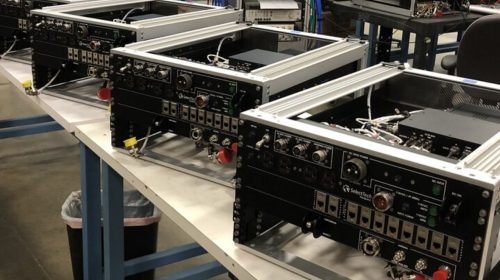
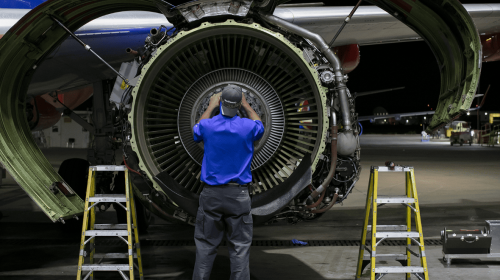

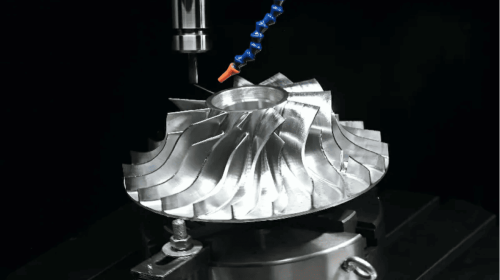


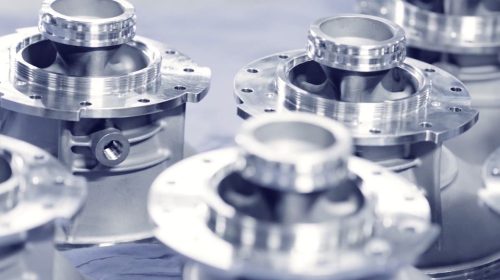



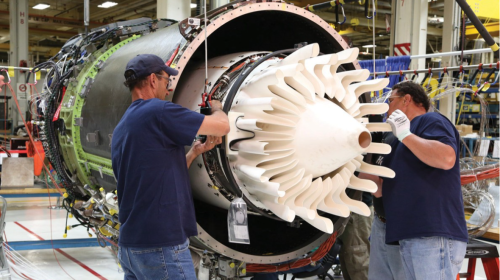


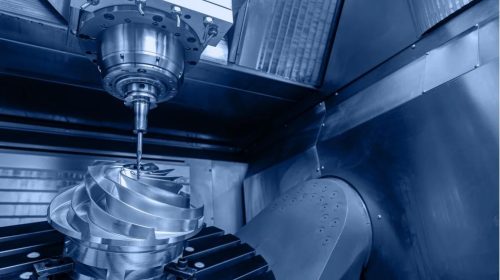
Last updated: October 7, 2026 Every satellite has two halves: the bus, or platform, which keeps the spacecraft powered, within its temperature limits and pointed, and the payload, which performs the mission. Satellite components are the subsystems and hardware that
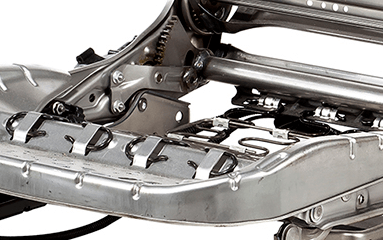
Last updated: October 7, 2026 A passenger seat is one of the heaviest cabin items per passenger, and an airliner carries hundreds of them. Every material in it is chosen against four constraints at once: weight, the 16g crash loads
Last updated: October 7, 2026 Plastics save weight, insulate, slide without lubrication and resist fluids that corrode metal, so aircraft and spacecraft use them for insulators, bushings, seals, spacers and cabin parts. Two filters remove most candidates before any other
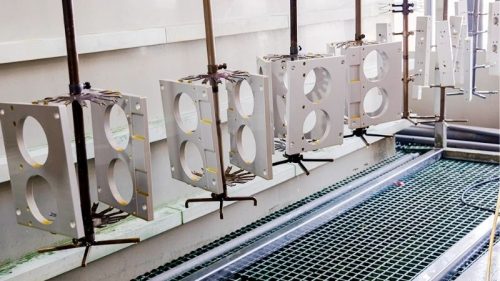
Last updated: October 7, 2026 On a machined aerospace part, the anodize callout is not a cosmetic detail. The type and thickness decide how much each surface grows, how much fatigue strength the part gives up, whether a contact face
Inconel is the ultimate superalloy for critical parts in jet engines and deep-sea drilling. It is uniquely resistant to extreme heat and stress where other metals would fail. We’ll explore exactly what the melting point of Inconel means, why it’s a range of temperatures, and how its superior chemistry allows it to operate in the […]
In high-stress manufacturing, Inconel is the ultimate superalloy for jet engines and nuclear components. While most design means going lighter, Inconel’s heavy weight (its density) is actually a huge benefit. Understanding the density of Inconel is key to engineering its amazing high-temperature strength. This density is why Inconel stays solid at temperatures that would melt […]

Full material traceability, 100% inspection, AS9100-ready process