Lightweighting for Launch: 5-Axis Machining Strategies for Satellite Structures

The importance of lightweighting for satellite structures cannot be overemphasized. From increasing fuel efficiency and payload capacity to improving overall satellite functionality, there are a lot of benefits.
In this blog, we explore the importance of lightweighing, 5-axis machining basics, and its machining strategies for satellite structures, and much more.
Why Lightweighting Matters in Modern Satellite Design
In modern satellite design and manufacturing, lightweighting plays an important role in minimizing the launch cost of the satellite, enhancing fuel efficiency, increasing payload capability, and improving the overall performance of the satellite.
With this, we prioritize structures with lesser weight and mass while also facilitating designs with accurate precision and functionality.
Lightweighting also gives us the flexibility in manufacturing in terms of materials used, the ability to design highly complex satellite structures, and compatibility with advanced 5-axis CNC machining, CNC milling, and turning, and so on.
How 5-Axis CNC Machining Supports Lightweighting Goals
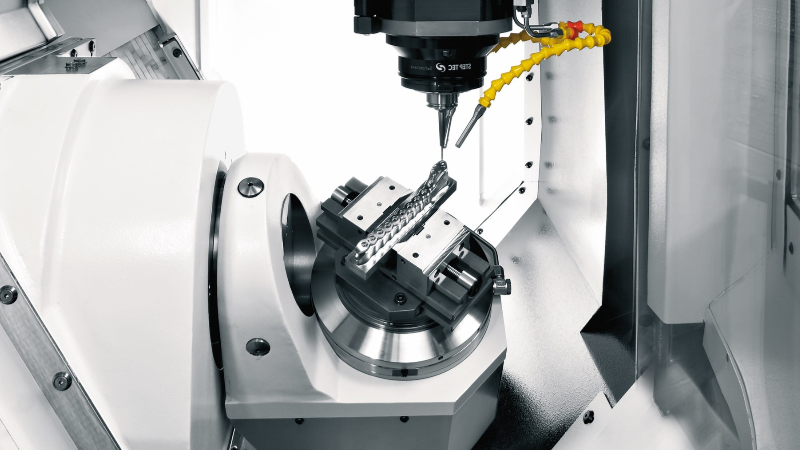
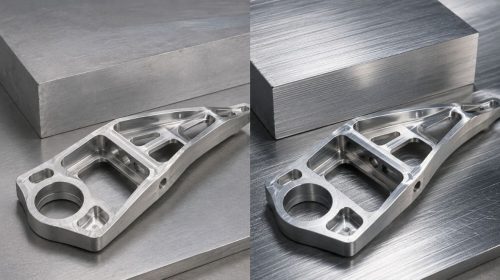
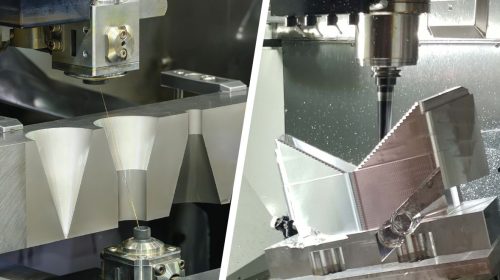
5-axis CNC machining is an advanced technological machining strategy for satellite structures that allows the production of intricate, lightweight designs through its five-axis configuration.
Compared to 3 or 4 axes, the production technique allows the machining of parts from 5 different directions, eliminating the need for readjustment.
With this, it becomes easier for us to achieve thin-walled, lightweight complex satellite parts with quality surface finishing and enhanced material removal. With just a few machine setups, errors are eliminated, giving more accurate components.
Top 5-Axis Machining Strategies for Satellite Structures
Here are specific 5-axis machining strategies for satellite structures that we use:
Optimizing CNC Tool Paths for Complex Geometries
Some satellite components come with contour, angled, and other intricate designs. With this optimization, we are able to use the CAM software tool to model, test, and adjust tool paths and ensure they fit before actual cutting and milling.
This helps ensure efficient material removal, eliminates tool wear out, enhances surface finishing and precision, and so on.
Reducing Material Waste Through Precision Cutting
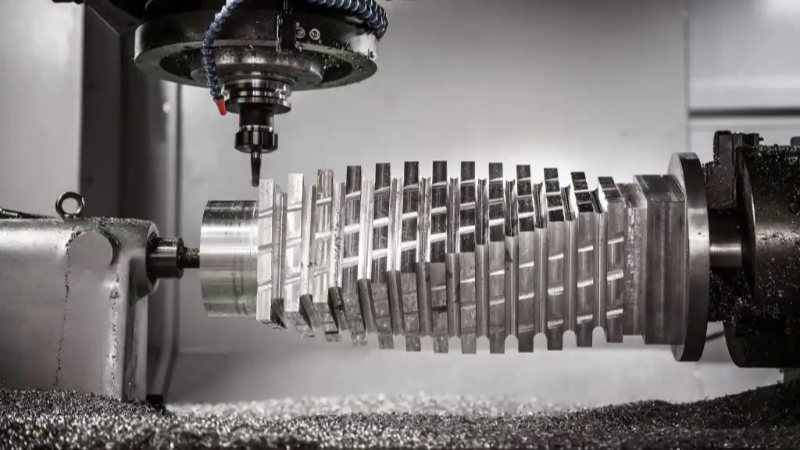
5-axis machining allows for accurate precision. This enables the efficient cutting of material without wastage. With the correct tools and milling parameters, 5-axis machining helps ensure materials are evacuated at the exact angle or position, thereby reducing wastage.
Errors are also eliminated to the minimum, thereby reducing the need for rework that might require more materials.
Integration of Automated Processes and Advanced Technology
Automated processes and advanced technological software like AI tools and robots can easily be integrated into the 5-axis machining process to improve work efficiency while also eliminating errors.
With these advanced tools, milling parameters, surface quality, etc., can be monitored and adjusted by the machine automatically to give more consistent and reliable parts.
Materials Used for Lightweight Satellite Structures
Here are some of the materials we use for our lightweight satellite structures:
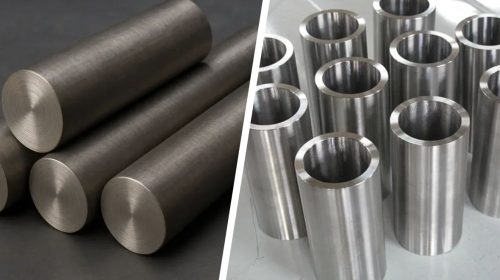
Aluminum Alloys
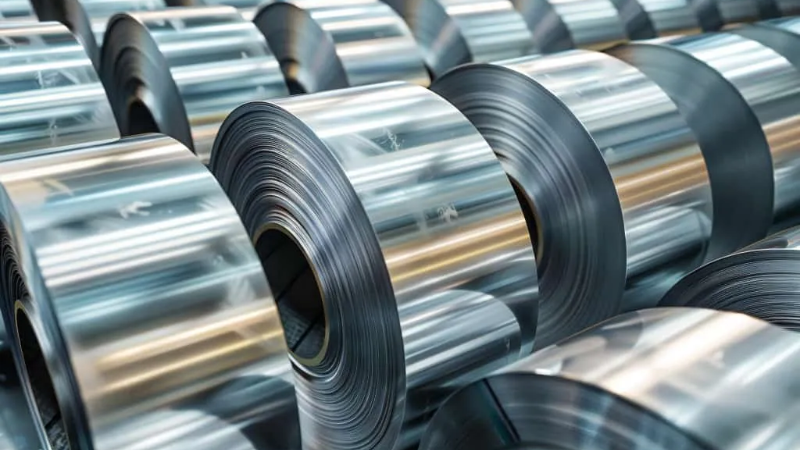
This is popularly used due to its lightweight nature and ability to survive corrosion. It is suitable for structural panels and frames, and it can be easily fabricated to give highly precise components.
Titanium Alloys
Titanium also offers high strength while maintaining low weight. It has the ability to withstand corrosion, thermal conditions, and pressure. With proper machining and cooling strategies, it also gives accurate and reliable parts.
Stainless Steel
Although it’s not lightweight like aluminum, it offers high durability and high resistance to heat, and as such, is valuable for fasteners, bolts, and connectors, etc.
Magnesium Alloys
Magnesium offers lightweight features, toughness, and vibration-damping capacity, making it useful for parts like brackets.
Carbon Fibre Composites
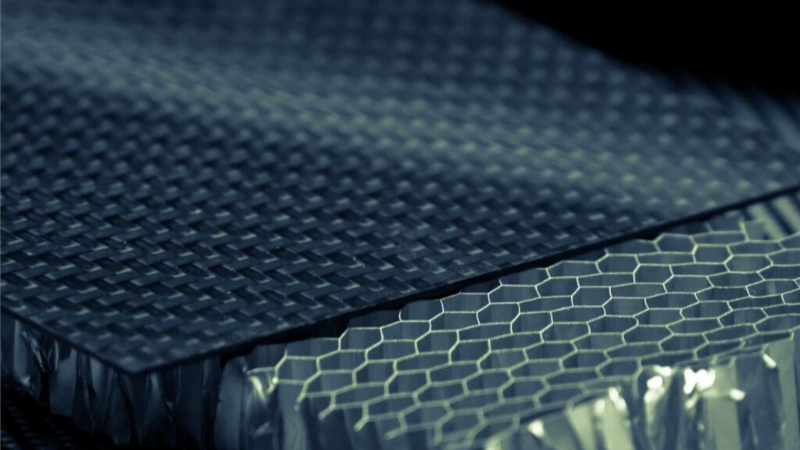
This is exceptionally lightweight yet very strong. It can withstand a lot of pressure and vibration without losing its structural integrity.
PEEK
This high-performance plastic is also lightweight, with high strength and the ability to survive radiation. It’s suitable for insulators, electronic casings, etc.
Design Considerations for Lightweight Satellite Parts
Designing lightweight satellite parts includes a combination of factors, including precision, overall weight, strength, and manufacturability. With that, we start by defining a weight target, ensuring every feature added contributes to the functional and structural needs of the part.
Choosing the right material that provides low weight with long-term durability is essential. While aluminum and titanium are perfect for that, PEEK offers additional features like insulating properties.
It is also important to consider how each alloy behaves while machining, as this will determine their milling and finishing strategies.
Furthermore, designers also ensure parts are designed to survive vibration and extreme temperature and provide resistance to load when needed. Other details, like finishing needs and cooling methods, are also vital.
Surface Finishes for Structural Integrity
Anodizing
This helps improve the corrosion resistance of the aluminum satellite component by providing a protective oxide layer. It also provides more hardness for parts.
Passivation
Particularly utilized on stainless steel parts, it helps eliminate dirt and impurities while improving corrosion resistance.
Electropolishing
This is an electrochemical procedure that helps create a fine, smooth surface. It ensures parts are free from contaminants, reduces friction, and improves part resistance to vibration.
Bead Blasting
This is used to create a perfect matte finish. This eliminates burrs from the surface, improves part visual appeal, and creates a good layer for further coatings.
Conversion Coating
Conversion coating is used to create a protective film on metal parts. It helps improve parts’ ability to survive corrosion, and it improves conductivity, making it suitable for electrical satellite parts.
Powder Coating
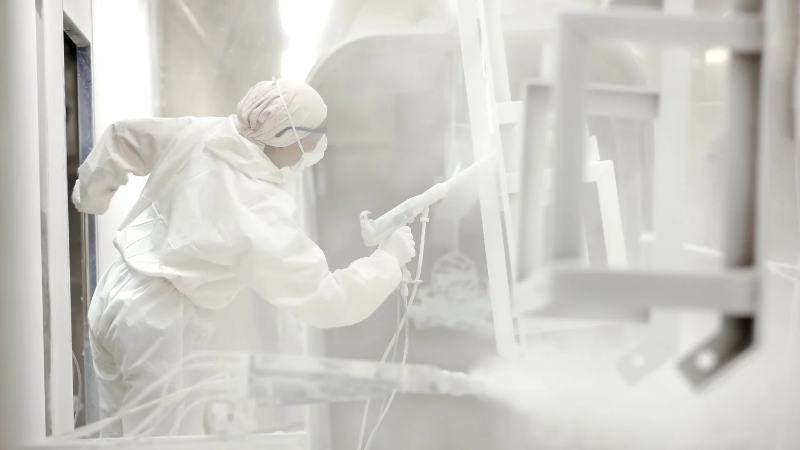
This uses dry smooth powder to form a fine layer on the satellite component part in order to provide resistance against chemical, heat, chipping, etc.
Benefits of 5-Axis Machining for Satellite Applications
5-axis machining offers a number of benefits for satellite applications. Here are some of them:
Improved Accuracy and Precision
With 5-axis machining, the workpiece is worked on from different directions without adjusting, and with just a few machine setups. With this, it becomes easier to achieve precise parts with complex designs. Errors are eliminated while also getting better surface quality and consistency.
Faster Production Cycles
The technique uses cutting tools with many axes, making it easier to machine from several angles at a go. With this, the machining time is reduced because many setups aren’t needed. Moreover, the process uses automated and advanced tools that make production fast.
Cost-Effective Manufacturing

While investing in 5-axis machines and tools can be expensive, the procedure requires less labour and minimizes material wastage with faster machining cycles. Within a short period, many parts can be consistently produced quickly to maximize profits.
Challenges in 5-Axis Machining for Lightweight Structures
While 5-axis machining strategies for satellite structures offer a lot of benefits, there are a few challenges involved.
Managing Material Deformation
Some lightweight materials can deform with high machining pressure, thereby compromising dimensional accuracy. However, with the correct feed rate and cutting parameters, this can be corrected.
Achieving Ultra-Precise Tolerances
Satellite structures usually require highly precise tolerances of 0.005mm or better to ensure accurate performance.
Beyond using advanced techniques like 5-axis machining, sophisticated tools must be used, environmental distortion must be put in check, the right coolant must be used when necessary, and so on. Without these strategies, achieving ultra-precise tolerances might be difficult.
Applications: Successful 5-Axis Machining for Satellite Components
Satellite Frames and Panels: These are usually made from aluminum or titanium to provide a lightweight and strong structure.
Antenna Mounts: These provide signals for communication purposes and must be machined to tight tolerances to enhance effectiveness.
Propulsion Enclosures: These part also undergoes a lot of pressure but still help decrease vibration and must be machined to tight tolerances.
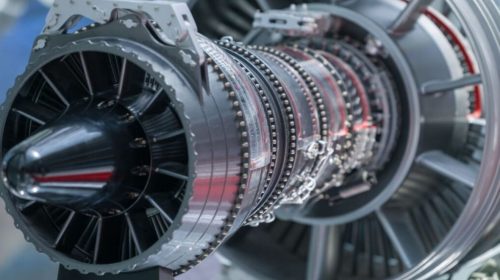
Rocket Engine Parts: They undergo severe temperature and pressure, including nozzles and thrusters, and therefore need to be accurately machined for optimal performance.
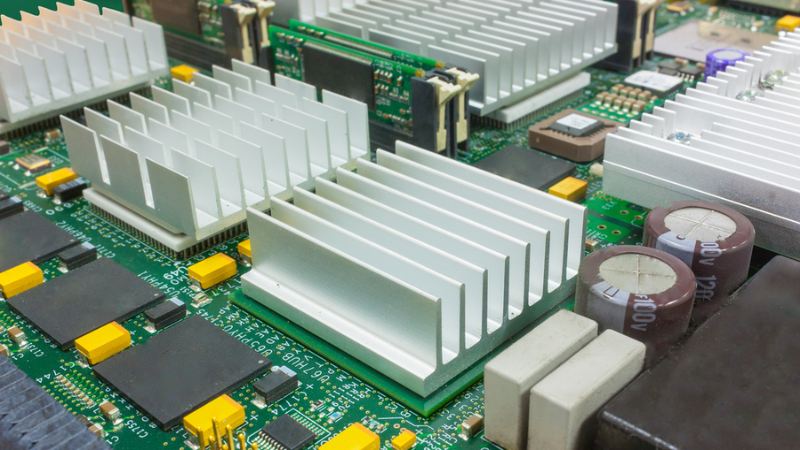
Heat Sinks and Cooling System: these structures are responsible for ensuring adequate heat transfer, preventing excessive temperature or cold.
Sensor Mounts and Optical Frames: These are specific mounts and housings that keep sensors and optical devices firmly in place during use. Thus, they are produced with accurate alignment and precision.
Payload Housings: Payload housing provides resistance to temperature fluctuation, vibration, pressure, and radiation to protect critical equipment and tools.
Conclusion
We have provided a simple explanation of the 5-axis machining strategies for satellite structures you should know. To ensure the satellite part achieves tight tolerance, lightweight, and high strength, and improved performance, understanding 5-axis machining basics is also crucial.
AeroCNCParts focuses on providing high-quality and accurate satellite structures. With our state-of-the-art 5-axis CNC machining facilities, variety of materials, and expertise, we’ve served many clients worldwide. Partner with us today for a seamless, reliable, and efficient collaboration.

Kim
Kim oversees engineering operations, including complex process planning, DFM reviews, and solving challenges associated with high-precision aerospace parts. He specializes in strict tolerance control and machining complex geometries essential for avionics, turbine components, and structural frames. Outside of work, he enjoys the precision and strategy of playing snooker.