Aerospace Fasteners: Characteristics, Types, Materials
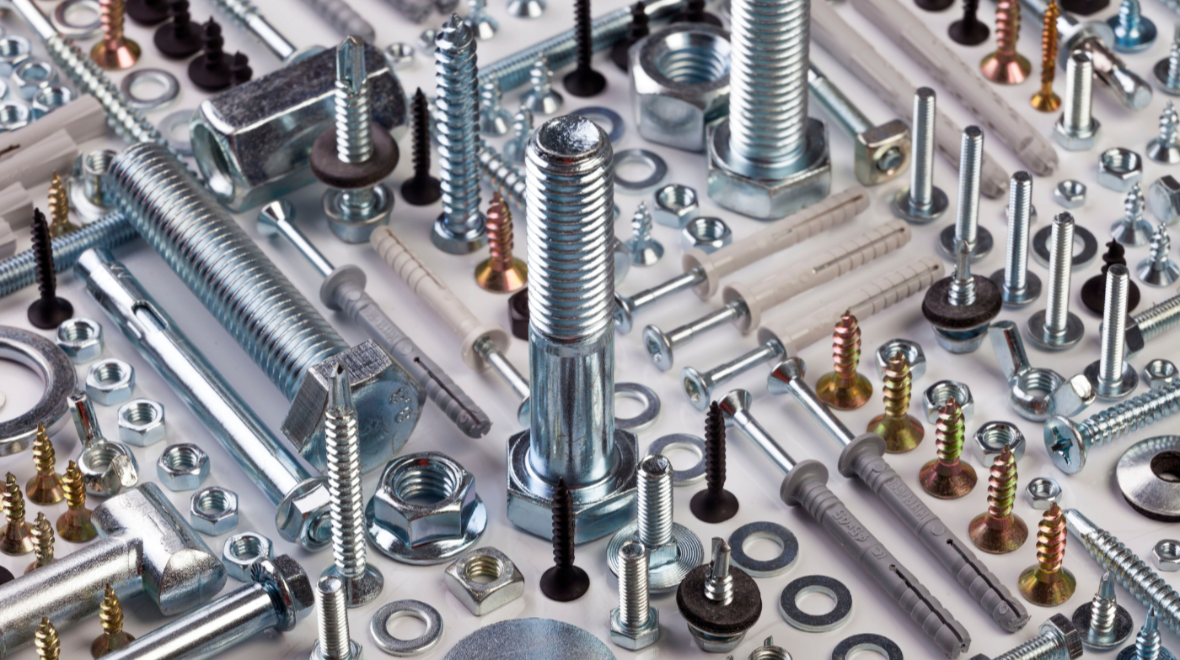
Aerospace fasteners play a significant role in the structure of every aircraft and spacecraft. They can be found in almost all parts of the aircraft’s structure, and making sure each fastener is made with great precision and quality is an integral part of the aviation industry’s adherence to safety. There are many different types of fasteners, each with its own important purpose.
In this article, we will discuss the types, characteristics, and materials of aerospace fasteners.
What are Aerospace Fasteners?
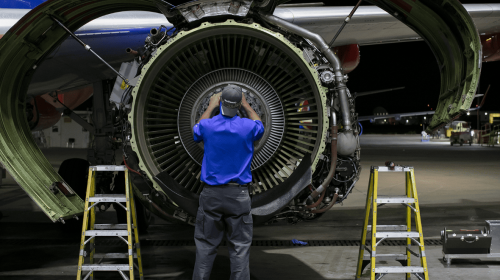
Aerospace fasteners are specialized components used to hold different parts of an aircraft together to make it whole. Thousands to millions of fasteners can be found in every aircraft, including the external and internal structure. From the aircraft’s wings to its landing gears, the overhead bin, and even the safety features inside the aircraft, a fastener is there to hold the parts together, ensuring the strength and safety of the vehicle.
Since it is inevitable to experience extreme conditions during flight or space travel, the safety and quality demands for these fasteners need to be at par with safety regulations. They are required to be lightweight but extremely strong, which may be tricky to achieve without the use of premium and appropriate materials during manufacturing.
The focus on the quality and integrity of each fastener is one thing that should not be overlooked because one failure can lead to damage and a serious safety risk. That’s why, as the aviation and aerospace industry evolves, so does the quality and integrity of each fastener.
Characteristics of Aerospace Fasteners
Here are some of the major characteristics of aerospace fasteners:
High Strength
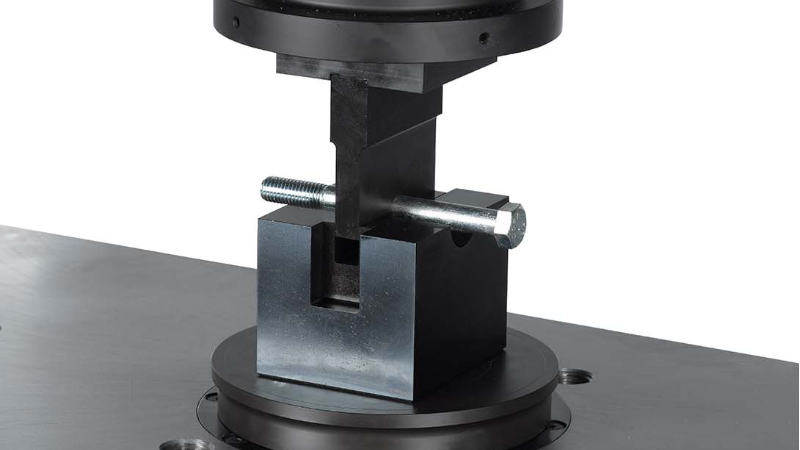
The primary purpose of aerospace fasteners is to hold parts together; that is why they are required to be strong enough to withstand extreme conditions during flight. They are also expected to carry heavy loads from passengers to cargo and the entire aircraft structure itself.
Heat and Temperature Resistance
Extreme heat exposure of fasteners near the engine and those on the exterior when the spacecraft reaches outer space can melt or break them. That is why heat and temperature resistance are important characteristics.
Corrosion Resistance
Aircraft and spacecraft are prone to rust and corrosion because of environmental elements. Aerospace fasteners are designed to withstand harsh conditions like moisture and chemicals to avoid the wear and tear of parts and structures.
Lightweight
The overall weight of an aircraft and spacecraft can impact its safety and efficiency, which is why fasteners are made from light but durable materials. The weight of an aircraft also improves fuel consumption and optimizes its performance.
Fatigue Resistance
The aircraft experiences fatigue during flight, especially during takeoff and landing, so fasteners are made to be fatigue-resistant so they can withstand vibration and stress without breaking mid-flight or over time.
Vibration Resistance
Aerospace fasteners are designed to stay firmly in place, no matter the level of vibration the aircraft or spacecraft experiences during flight. The locking features of each fastener help avoid loosening that may cause malfunction and aircraft safety issues.
Precision Engineering
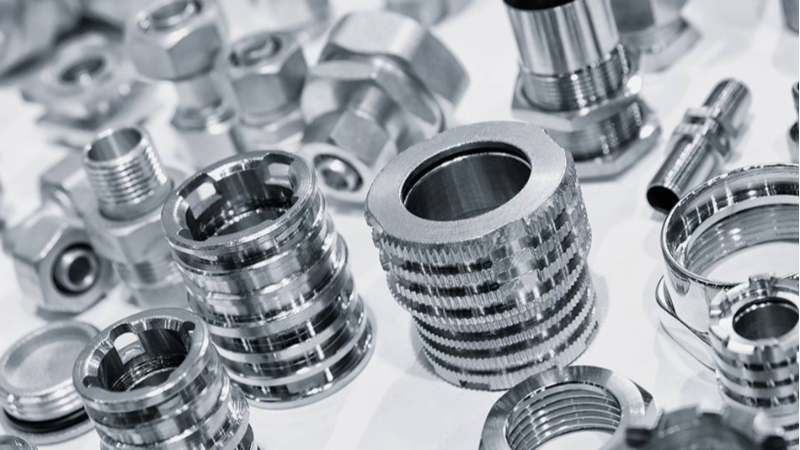
Precision is a huge factor when manufacturing crucial components like fasteners. It is also important to consider that, aside from the intricate designs, the features of each fastener should also adhere to safety regulations while serving its purpose.
Aviation Quality Standards
There are governing agencies and organizations that reinforce safety when it comes to quality standards in the aviation industry. They ensure the manufacturer’s adherence to strict safety standards to meet the quality components required from manufacturing to application. These strict standards serve as preventive procedures to avoid malfunctions and any type of failure that can lead to damage and disaster.
Below are some organizations and standards that are strictly implemented across the industry:
AS9100
AS9100 is focused on quality control processes that companies follow when manufacturing aircraft and spacecraft components for commercial and private use. It is based on ISO 9001 but with more provisions to strictly adhere to the standards and demands of the aviation industry.
AS9110 (or EN9110)
AS9110 is focused on ensuring proper handling, documentation, and repair and overhaul services that are centered on aviation and aerospace repair stations.
AS9120 (or EN9120)
AS9120 is focused on distributors and suppliers in the aviation and aerospace industries. It is all about ensuring the reliability, traceability, records, and stock control of suppliers. It strictly watches over the authenticity of aerospace components throughout the industry.
ISO 9001

ISO 9001 is focused on the consistency of the manufacturing processes to produce high-quality products that are also followed and used in many industries.
Commonly Used Fasteners in the Aerospace Industry
Aircraft Bolts
Bolts are used in high-stress and heavy-load parts like engines and landing gears. These bolts are made of strong metals that are used to firmly hold two or more parts together with a nut.
Aircraft Screws
Screws are used to hold panels, seats, or interior components in place. It can be similar to bolts but without a nut. In some screw types, the threads can be tapped directly into the material.
Aircraft Rivets
Rivets are usually found in the aircraft’s outer body to hold metal sheets in place. They are permanent installations and are commonly used in aircraft skins.
Aircraft Nuts
Nuts go hand in hand with bolts, as they are used with bolts to lock parts together. Some special types of nuts have a special self-locking mechanism, and they are highly useful so parts will not loosen up when the aircraft vibrates during flight.
Aircraft Pins
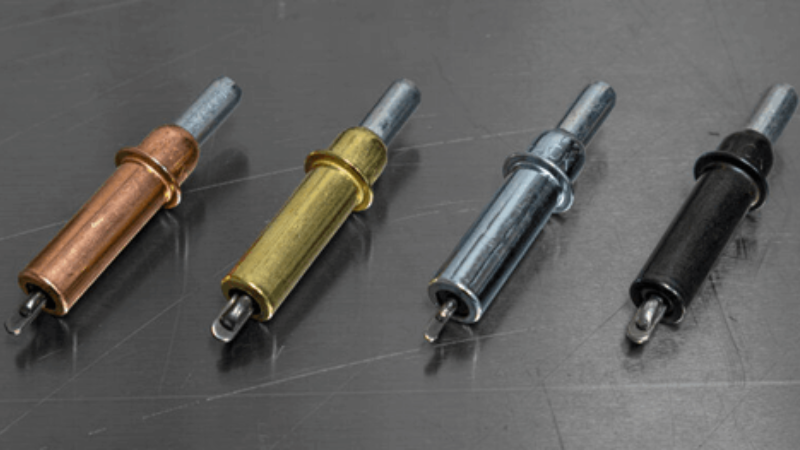
While some components are not meant to be removed once installed, pins can be removed and adjusted often. They are used to hold and secure parts such as engine covers or access panels. Some types even have a quick-release mechanism so they can be removed without tools.
Aircraft Washers
Washers prevent damage to surfaces because of their flat feature. They are thin rings that are placed under bolts or nuts to help distribute the weight evenly.
Special Fasteners Used on Aircraft
Taper-Lok
Taper-lok has unmatched strength among specialized fasteners that are used for aircraft. The tapered design allows them to seamlessly fit holes without damaging parts. They can tightly fill themselves into holes to create a compression that ensures that parts are firmly held in place. These fasteners are used in critical areas such as the aircraft wing and outer body.
Hi-Tigue
From the term itself, hi-tigue fasteners are made to withstand fatigue. Since aircraft are exposed to stress and fatigue from takeoff, mid-flight, and landing, fasteners such as Hi-Tigue can ensure that they will not break due to cycles of fatigue on high-stress parts such as the engine and landing gear. Fasteners with this design have a raised ring around their shanks to distribute the load and prevent cracks.
Turnlock Fasteners
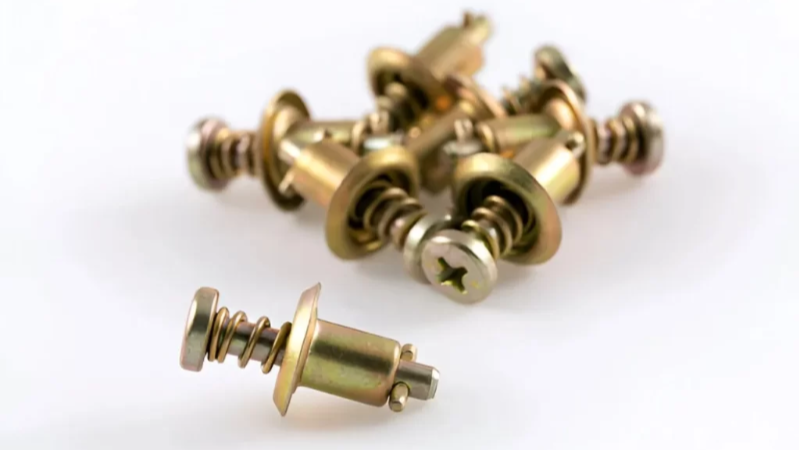
Turnlock fasteners have a straightforward and simple turn lock mechanism that makes them ideal for panels and access doors. They are quick to release and quick to open and will not require tools to remove and replace parts for inspection and maintenance.
Dzus Fasteners
Dzus fasteners are small, quick-turn fasteners that snap into place with a quarter-turn. They are commonly used in aircraft panels and fairings because they allow quick access. In the fasteners, there is a notch machined into the shaft that engages with a retaining spring. Dzus Fasteners are kept fastened by the constant torque of the spring. The fasteners can be removed and installed with a quarter-turn or a 90-degree turn, unlike a standard bolt and nut.
What Are Aerospace Fasteners Made Of?
These are some of the most common materials used to make aerospace fasteners:
Aluminum
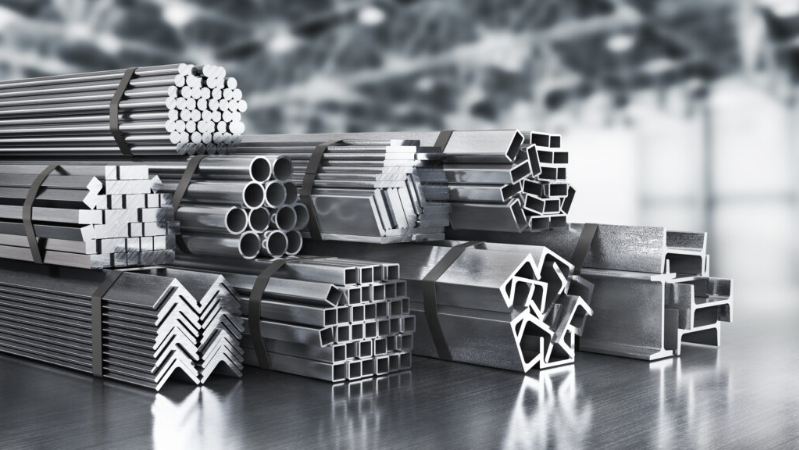
Aluminum is one of the most popular materials used in aerospace fasteners because of its reliable strength-to-weight ratio and its ability to withstand damage and corrosion. This material is ideal for fasteners that are exposed to extreme conditions, such as aircraft bodies.
Though there are other metals that are surely stronger than aluminum, the good thing is that it is easy to work with, mostly on noncritical parts where weight matters more than strength.
Steel
Steel provides durability and strength when used in fasteners that are used for high-stress and heavy-load purposes. Although it is not as light as other materials, it is ideal for structural parts. To make it damage and corrosion-resistant, steel fasteners are often coated to prevent rust buildup.
Titanium
Titanium fasteners are designed for high stress and extreme temperature exposure because they are often used in engines. It can withstand extreme temperatures because it is a very strong material. It may be more expensive and not as easy to machine as the rest of the metal options, but its strength still makes titanium a top choice material for critical aircraft and spacecraft parts.
Super Alloys
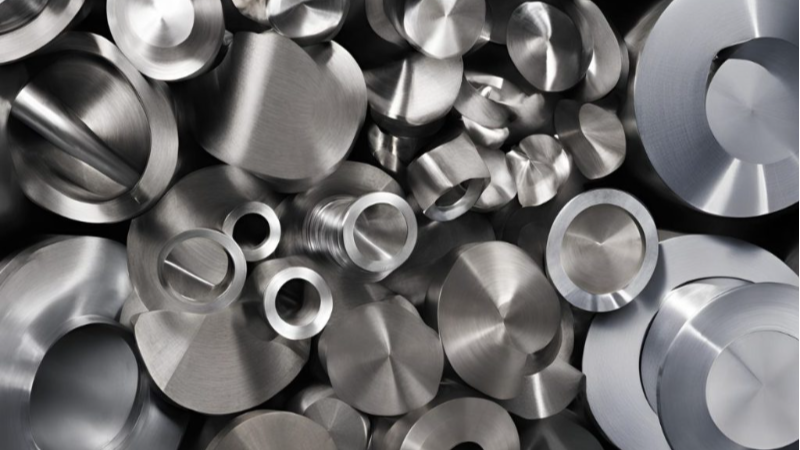
Super alloys are a mix of metals designed to withstand extreme conditions. When used in fasteners, they are commonly found in engines, exhaust, and areas with extreme temperatures. Super alloys are generally expensive, but their top-notch quality is worth it in terms of the purpose they serve as a manufacturing material.
Here are some common super alloys used in aerospace fasteners:
Inconel: Corrosion-resistant, can withstand extreme heat. Used in engines and exhaust.
Hastelloy: Corrosion-resistant, can withstand exposure to harsh chemical environments.
Waspaloy: High-strength, can withstand extreme temperatures. Often used in aerospace parts.
Monel: Salt air-resistant, corrosion-resistant. Generally used in marine and aerospace.
Rene Alloy: High heat resistance. Used in aircraft engines.
MP35N: High-strength, can withstand stress and fatigue. Can withstand exposure to extreme temperatures
Aerospace Fastener Covers
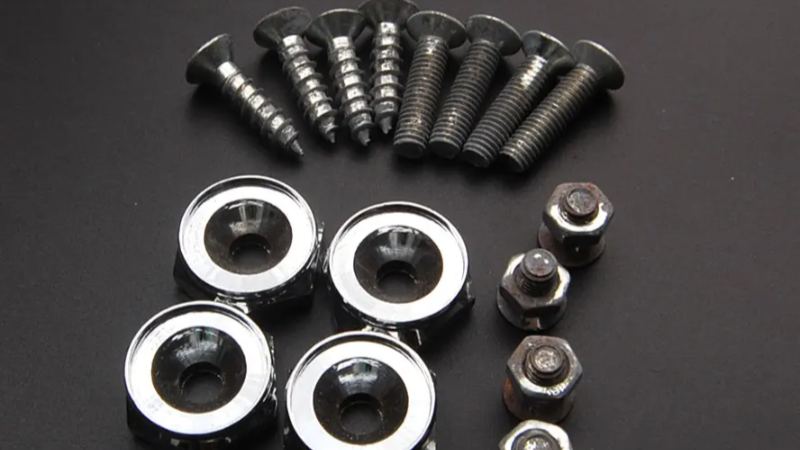
Cadmium: Cadmium is a corrosion-resistant material often used on steel fasteners.
Zinc: Zinc serves as a protection from rust and is often used on steel. It is low-cost but still effective to use in noncritical parts.
Silver: Silver has good electrical conductivity. That is why it is generally used for electrical fasteners because it can perform well even in extreme heat and pressure.
Nickel: Nickel can withstand damage and is a corrosion-resistant material. When used on fasteners, they can serve their purpose in high stress and extreme temperatures.
Phosphate: Phosphate serves as the first layer for paint to make steel fasteners corrosion-resistant. It is economical and adds grip to fasteners.
Black Oxide: Black oxide is used on tooling fasteners and adds an extra coating for corrosion resistance and the prevention of rust buildup.
Aerospace vs Commercial-Grade Fasteners
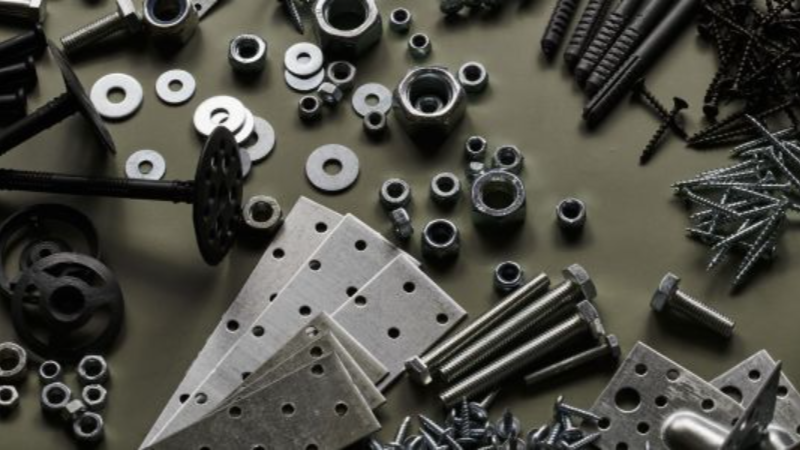
Below are the 5 key differences between aerospace and commercial-grade fasteners:
Strength
In aircraft, fasteners have tensile strengths above 800 MPa due to heat treatment. Compared to commercial fasteners, they are typically below 400 MPa.
Materials Used
Aerospace fasteners use high-quality steel. While commercial fasteners are commonly manufactured using low-to-medium carbon steel.
Precision and Tolerances
Aerospace-grade fasteners produce parts with tight tolerances due to stringent industry standards. Commercial-grade fasteners are less strict in terms of tolerances.
Self-Locking
Most aircraft and aerospace-grade fasteners have self-locking mechanisms. Commercial-grade fasteners typically don’t have the same feature.
Cost

Aerospace-grade fasteners adhere to strict standards, which is why they are usually made of high-end materials, and that costs more than commercial fasteners.
Conclusion
Spacecraft and aircraft depend on aerospace fasteners for stability, strength, and performance. The materials, design, and manufacturing processes may impact every detail of the fasteners to meet the demands and safety standards.
If you’re looking for reliable, high-quality aerospace fasteners and components, AeroCNCParts offers precision manufacturing and trusted expertise. Contact us today to learn how we can support your aerospace needs with world-class fastener solutions.

Kim
Kim oversees engineering operations, including complex process planning, DFM reviews, and solving challenges associated with high-precision aerospace parts. He specializes in strict tolerance control and machining complex geometries essential for avionics, turbine components, and structural frames. Outside of work, he enjoys the precision and strategy of playing snooker.