Titanium in Aerospace: Alloys, Benefits, and Uses
Titanium in aerospace helps you build lighter, stronger, and more reliable parts. When you deal with high speeds, pressure, and heat, choose titanium because it holds up in tough conditions and helps improve fuel use and performance.
In this article, you’ll see why titanium is used in aerospace, which alloys to consider, and where they’re used. If you are working on aircraft or spacecraft builds, using the right titanium alloy can improve strength, reduce weight, and lower long-term costs.
What is Titanium?
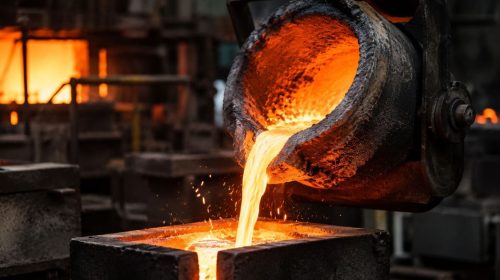
Titanium is a common metal found in the Earth’s crust. It makes up a small part of most rocks and soil. But even though it is all around us, it is usually mixed with other elements like oxygen. You cannot use it straight from the ground or in raw form. It has to be purified, which takes a lot of energy and time. This makes it more expensive than other metals like steel or aluminum.
To get pure titanium, you need to use a lot of power and effort. Making it harder to get than metals like iron or aluminum. This adds to its value, and the market for it keeps rising every year.
Why is Titanium used in Aerospace?
Titanium is one of the strongest and most valuable metals you can use. It offers a strong balance of strength, low weight, and long-lasting durability. It is hard to extract, but its performance makes it worthwhile for investment in aerospace. You get the strength of steel at almost half the weight, supporting improved fuel economy and payloads without sacrificing safety or performance.
Use of titanium in aerospace industry continues to grow due to its ability to handle extreme temperatures and repeated loads. You can count on it to handle repeated stress, intense heat, and exposure to harsh chemicals or challenging environments without breaking down or rusting. With titanium, you get lighter parts that last longer and need less maintenance.
Titanium Alloys for Aerospace
Here’s a look at the titanium alloys engineers typically use for aerospace parts:
Alpha (α) Alloys
TI CP Grade 1
This is the softest and most flexible grade of titanium. It is easy to form and shape, which makes it useful for parts that need a lot of bending. Because it is so pure, it naturally holds up against corrosion. This grade is commonly used for ducting systems, fluid tanks, shielding panels, and other parts where weight and chemical resistance are important.
TI CP Grade 2
Grade 2 gives you a good mix of strength and formability. It can handle more iron and oxygen than Grade 1, making it a solid option for many aviation parts that need both performance and flexibility.
You often use this grade for hydraulic tubing, exhaust ducting, and pressure vessel components. It is reliable in areas that face moderate stress, need corrosion resistance, and still require parts that are easy to shape and weld.
TI CP Grade 3
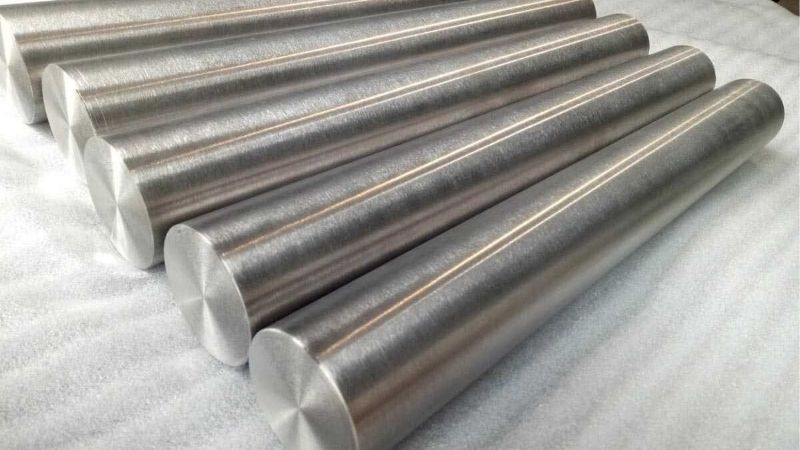
Stronger than Grade 2, this grade works well when you need more mechanical strength without losing too much shaping flexibility. It is a good fit for parts that deal with moderate to high stress while still needing corrosion resistance.
You will often see it used in aerospace brackets, structural supports, and high-pressure tubing. It offers a practical balance between strength and ease of fabrication, making it useful for areas that require both durability and lightweight construction.
TI CP Grade 4
This is the strongest of the commercially pure titanium grades. It handles heat well and still offers good ductility, which means it can stretch or bend without cracking. That makes it ideal for high-performance parts that are exposed to stress and harsh conditions. This grade is usually used for aerospace hydraulic tubing, engine housings, and pressure vessels.
Grade 4 gives you dependable structural strength and corrosion protection, most importantly in areas where safety, heat tolerance, and weight all matter.
Near-Alpha Alloys
TI 3AL-2.5V
Near-alpha titanium alloys, like T1 3AL-2.5V, are stronger than commercially pure grades like CP Grade 4 because they have added elements like aluminum and vanadium. It gives you a strong mix of performance and ease of shaping. It is lighter than steel but still tough.
TI 3AL-2.5V is a good fit for parts that need to handle pressure without the extra weight, like hydraulic tubing, ducting systems, and airframes. It handles stress well and does not rust easily. This alloy is perfect for parts that need to bend slightly but can still hold their shape over time, making it reliable for long-term use.
Alpha-Beta (α-β) Alloys
TI 6AL-2SN-4ZR-2MO
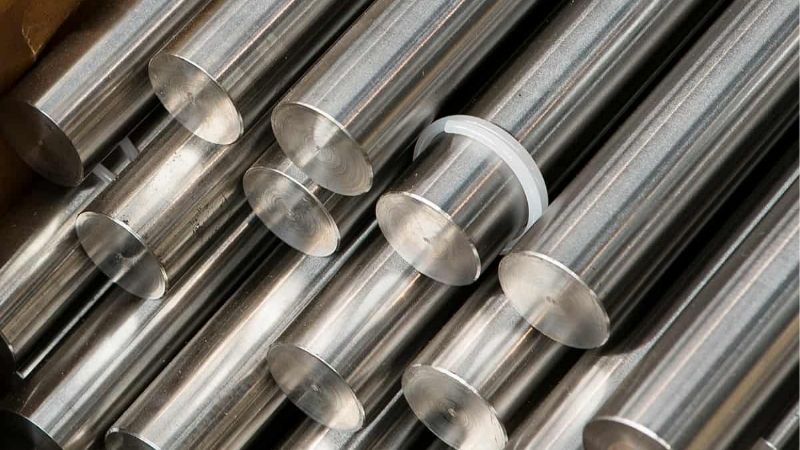
You will want to use this alloy when your parts need to handle extreme temperatures and heavy stress. It has excellent resistance to creep, allowing it to hold its shape even after long periods in hot environments.
It is perfect for engine components and hot sections, like turbine blades, afterburner structures, and compressor discs. This alloy lets you build parts that stay strong and dependable, even when they face extreme pressure and temperature during flight.
TI 6AL-4V
This is the leading titanium alloy in aerospace. You get a well-rounded combination of mechanical strength, resilience, and protection against both corrosion and fatigue. It works well in many different parts, comprising wing spars, engine pylons, and undercarriage supports. You can count on it for structural parts that need to be both lightweight and durable.
TI 6AL-4V ELI
This version has fewer impurities; it is cleaner and tougher. This alloy is easier to weld and less likely to crack. It is a good choice for parts that experience a lot of stress, like landing gear or critical joints.
TI 6AL-6V-2SN
If you need something stronger than TI 6AL-4V, this alloy is a good fit. It provides higher strength and handles heat well, making it ideal for heavy-duty aerospace parts that face high loads and temperatures.
It is usually found in jet engine compressor wheels, wing attachment fittings, and helicopter rotor hubs. This alloy is tough, heat-resistant, and ready for demanding conditions where other materials might not hold up as well.
Beta (β) Alloys
TI 15V-3CR-3SN-3AL
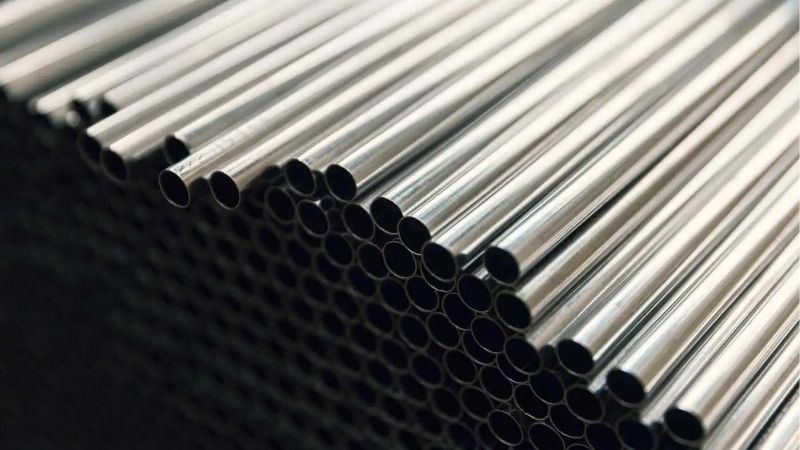
This alloy gives you a lot of flexibility. You can heat-treat it to reach different strength levels depending on your needs. It is also easy to form at room temperature, which helps when making complex shapes. You will often use it for parts like brackets, pressure ducts, and fasteners. It also has good corrosion resistance and weldability.
3AI 8V 6Cr 4Mo 4Zr
This is a strong, metastable beta alloy typically used where toughness and fatigue strength are critical. You will see it in landing gear, springs, and high-load fasteners. It resists cracking and wear, even under heavy stress and repeated impact.
This alloy also performs well in elevated temperatures, which is why it is a good choice for structural components in commercial airliners, defense, and military aircraft.
Benefits of Titanium Alloys in Aerospace
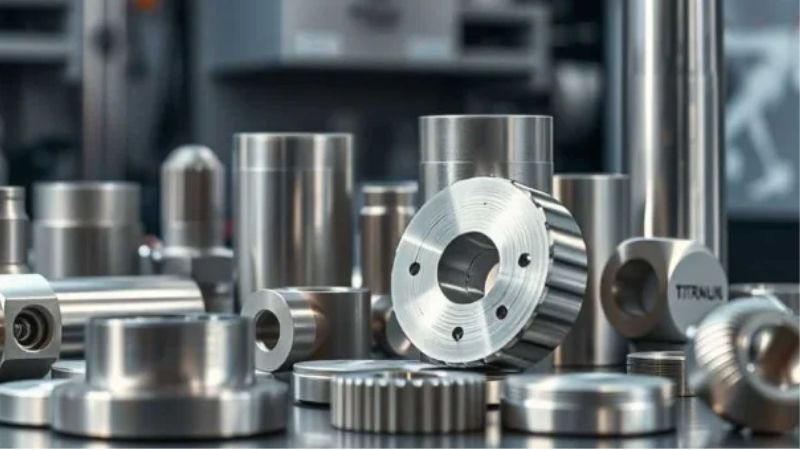
The use of titanium in aerospace industry keeps growing fast because it helps solve many design problems in aircraft and spacecraft. Here’s how these benefits can make your work easier and your designs better.
Weight Reduction
Titanium provides the strength of steel at only about 60% of the weight. This outstanding balance of strength together with lightness allows you to reduce the overall mass of the aircraft without losing performance or durability.
Corrosion Resistance
It naturally resists corrosion from water, salt, and even harsh chemicals. One of the reasons it is trusted in aerospace parts is that it faces tough environments, including coastal regions and high-altitude conditions. Unlike steel and aluminum, titanium won’t rust or weaken over time, helping parts last longer with less maintenance.
Increased Strength and Durability
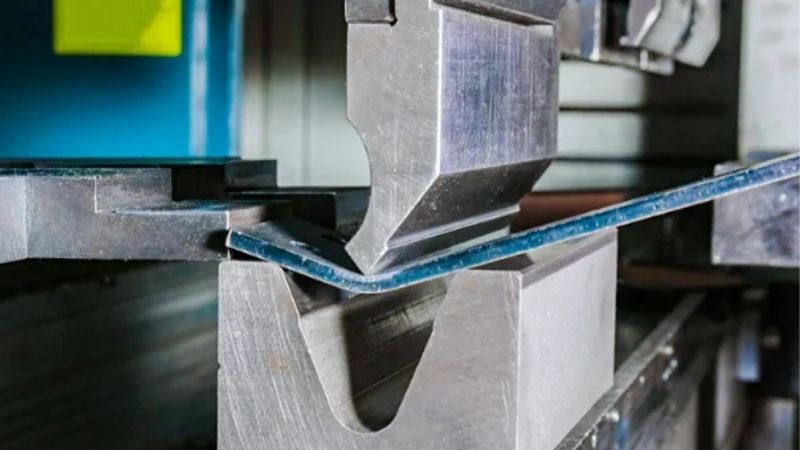
Titanium alloys are made for long service life. Depending on the grade, they can reach tensile strengths of around 200,000 psi and still handle repeated stress without cracking. That is why they are trusted in critical aerospace parts that take on constant load cycles.
Melting Point
Titanium can handle heat over 3,000°F, which is higher than most metals. Even in extreme temperatures, it keeps its strength and shape instead of softening. That’s why it works so well for things like engine parts, exhaust systems, and other hot zones in aircraft.
Managing the Elements
It also resists creep, which is when a material slowly bends or deforms under heat for a long time. Some aerospace titanium alloys can stay strong at 1,000°F for thousands of hours, making them a go-to choice for jet engines, turbines, and hypersonic flight systems.
Where Titanium is Used in Aerospace
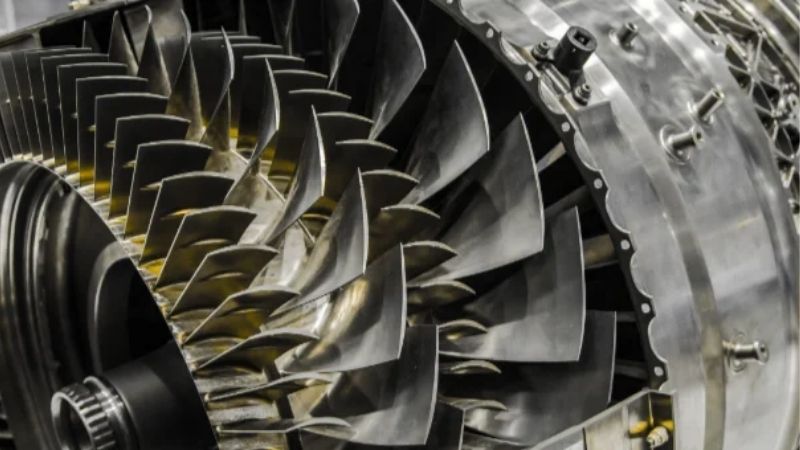
Titanium’s mix of strength and low weight makes it a common choice in modern aircraft. Because fuel costs are high and every pound matters, you’ll see titanium alloys in turbine engine parts, landing gear, and airframe structures. It holds up well in high-stress spots like takeoff and landing, as well as joints with carbon fiber components.
By using titanium, you cut weight without losing strength, which keeps the aircraft efficient, reliable, and safe.
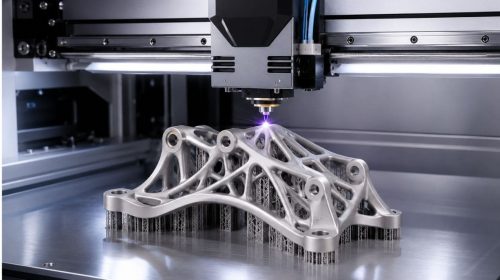
As manufacturing improves, titanium use keeps growing. Processes like additive manufacturing let you build parts directly from titanium wire instead of machining solid blocks. That means less waste, faster turnaround, and lower cost while still hitting the same performance standards.
Titanium in Aerospace Applications
These are some examples of titanium applications:
Airframes and Structural Parts
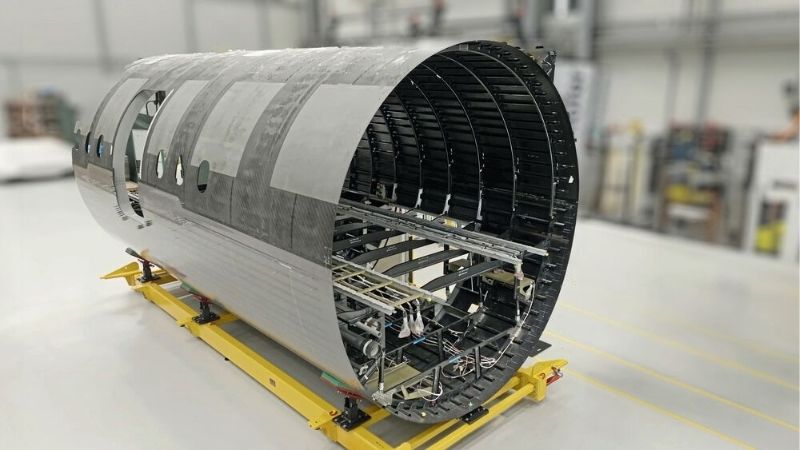
Titanium is widely used in the main structure of aircraft. This includes parts like wing ribs and spars, fuselage frames, bulkheads, and tail sections (empennage).
It is better than aluminum in fighting rust and corrosion, particularly in areas exposed to moisture or chemicals, like near hydraulic systems or in coastal operations.
Real-life Example: The Boeing 787 Dreamliner uses around 15% titanium by weight, mainly in areas near composite materials where corrosion risk is higher.
Engines and Turbines
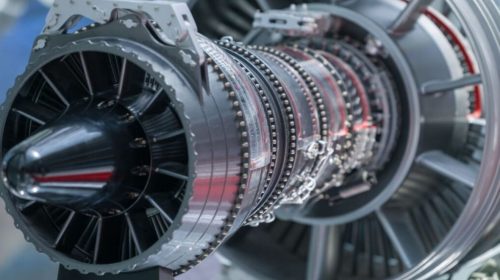
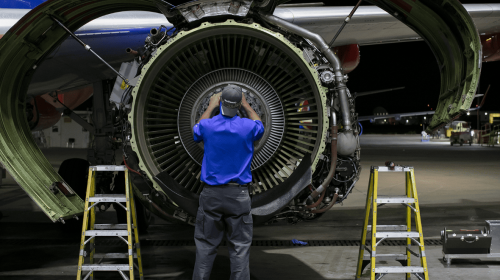
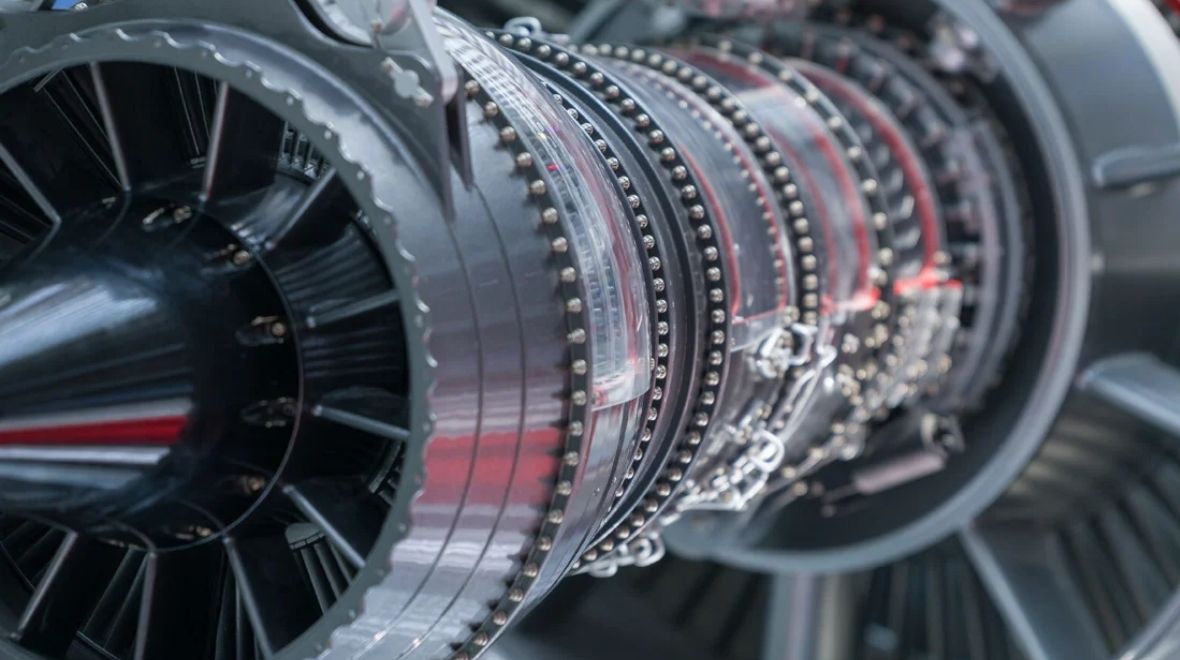
Titanium performs well at high temperatures (up to around 600°C or 1112°F) and can handle high stresses without deforming. That makes it perfect for jet engine components such as compressor blades, turbine discs, fan cases, struts, and nacelles.
Because it resists fatigue as well as cracking, titanium helps extend engine life and reduce downtime. It also reduces overall engine weight, improving thrust-to-weight ratio and fuel economy.
Real-life Example: Modern turbofan engines, like the GE90 and Rolls-Royce Trent, use titanium in the fan and compressor sections to balance strength, weight, and thermal resistance.
Landing Gear
Landing gear needs to absorb high loads during liftoff, landing, and taxiing. It must also survive impacts, vibrations, and frequent cyclic loadings without failure. Titanium helps here by offering high load-bearing strength and excellent impact with fatigue resistance.
It is used in main struts, brackets, trunnions, and support beams.
Real-life Example: The Boeing 777 landing gear features forged titanium parts to handle its high takeoff weight while reducing overall structural mass.
Fasteners and Connectors
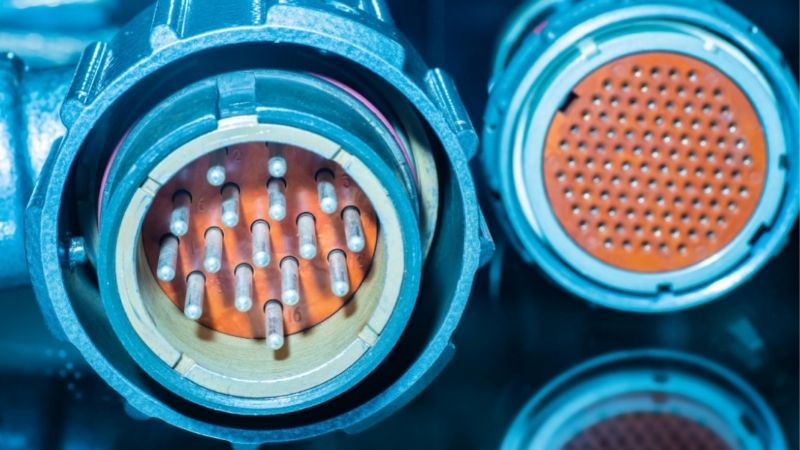
Aircraft rely on thousands of titanium fasteners to hold everything together. You use them to secure panels, skins, and interior parts. They are handy for connecting composites to metal without causing galvanic corrosion between dissimilar materials.
Titanium bolts, nuts, and washers are common in military and high-performance aircraft.
Real-life Example: Fighter jets such as the F-35 use titanium fasteners across the airframe to save weight while improving durability over long service lives.
Spacecraft and Satellites
Space puts your materials through radiation, vacuum, thermal cycling, and mechanical stress from launch and orbit, making titanium perfect for this environment.
It is also non-magnetic and low-outgassing. Titanium is used in satellite frames, robotic arms, payload mounts, and fuel system hardware.
Real-life Example: The International Space Station (ISS) uses titanium for many structural frames, including those supporting solar panels and external instruments. NASA’s Perseverance Rover and Curiosity also use titanium parts for their mobility systems.
Conclusion
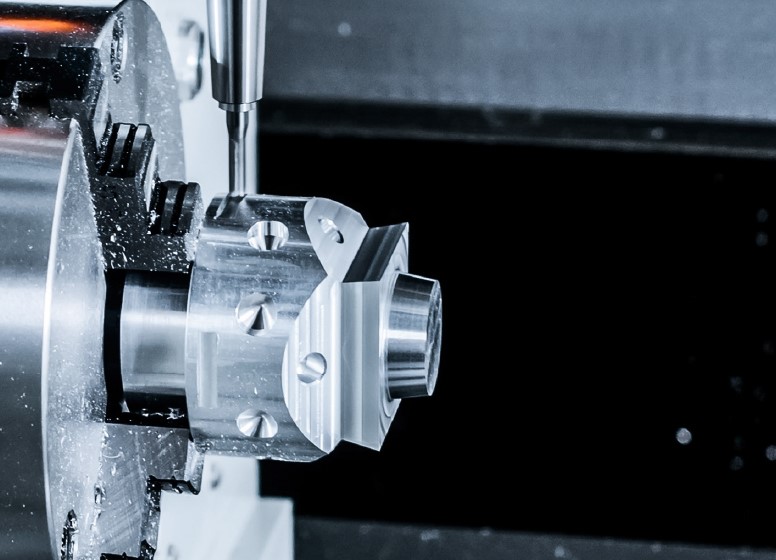
Titanium helps you build durable, lightweight aircraft and spacecraft that last longer and perform better. You get better fuel savings, less wear, and more reliable parts over time. As aerospace moves forward, titanium stays important, especially with new methods like CNC machining and 3D printing making it easier to shape.
At AeroCNCParts, we build custom titanium parts like engine mounts and satellite frames with tight tolerances and fast delivery. Contact us today to get a quote or learn more about our titanium services.

Robert
Robert specializes in the mechanical properties and thermal resistance of aerospace metals and high-performance plastics. He has extensive experience with flight-grade materials, including Aluminum 7075, Titanium (Ti-6Al-4V), Inconel, and PEEK. He optimizes machining strategies for difficult-to-process materials to ensure structural integrity under extreme conditions.