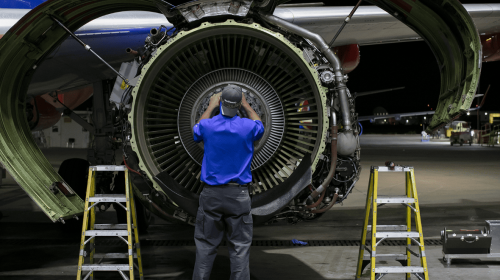
Why Choose Inconel 718 for Aerospace Parts Manufacturing?
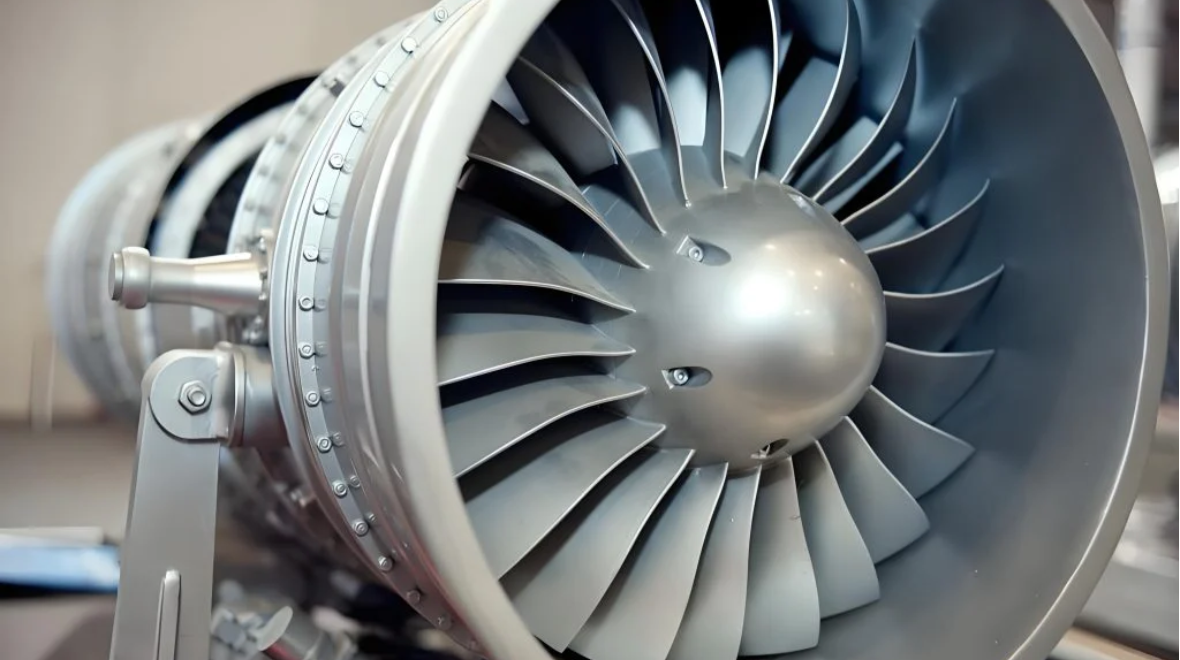
Selecting the right material for your aircraft components is crucial to getting adequate results. Inconel 718 is widely used in the aerospace industry due to its exceptional properties.
That said, efficient Inconel machining must entail using the correct tools, techniques, and parameters for optimal performance. In this guide, we outline all you need to know about Inconel 718 and its machining.
What are Super-Alloys?
Superalloys are advanced, highly durable metals characterized by their ability to retain their strength even when exposed to severe temperature and corrosion.
Unlike other regular metals, they do not deform or lose their integrity when applied to temperatures beyond 500°C.
They could, however, be composed of nickel, cobalt, or iron, which are usually their main alloy constituent, together with other elements.
Due to the outstanding qualities of superalloys, they are utilized in critical aerospace applications, such as engines and turbines.
What is Inconel 718?
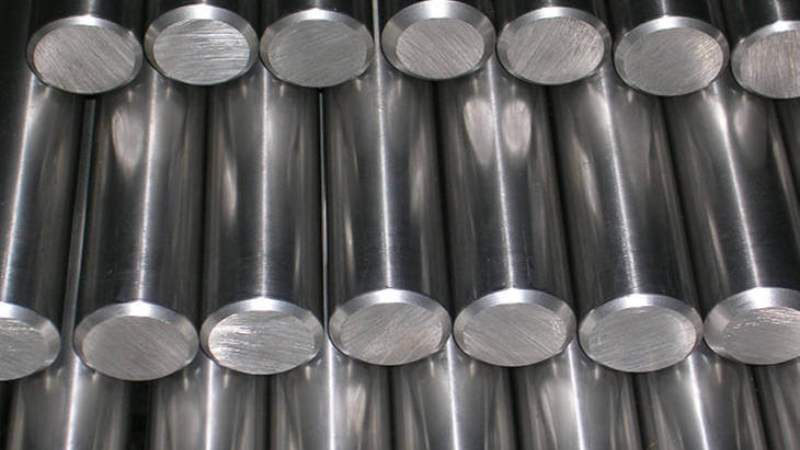
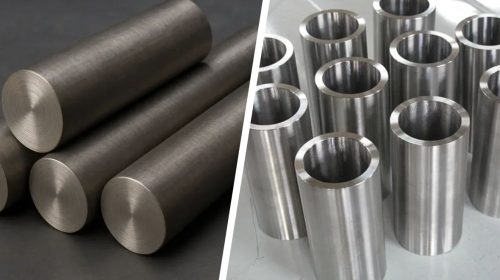
Inconel 718 is a nickel chromium-based superalloy appreciated in aerospace and other industries for its high durability and extreme resistance to corrosion, oxidation, and temperature.
It also contains other metals, such as iron, molybdenum, cobalt, aluminum, and titanium, among others. It can be used in temperatures up to 700°C while also retaining its strength.
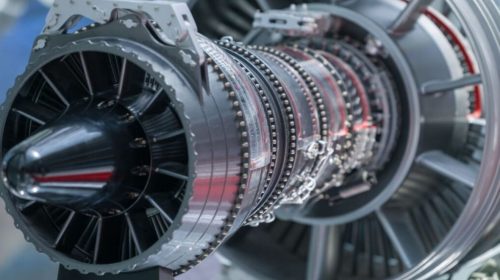
As such, it is typically applied in severe aerospace environments. Some vital Inconel 718 aerospace applications include jet engine components, turbine blades, and airframe assemblies.
Inconel 718 super alloy also undergoes a precipitation hardening process, which makes it even stronger and more durable compared to other metals.
Chemical Composition Table of Inconel 718
The superalloy contains a wide range of constituent elements that you should be aware of. Each of these elements contributes to Inconel 718’s unique qualities.
| Element | Constituent in % |
| Nickel (Ni) | 50.0 – 55.0 |
| Cobalt (Co) | 1.00 |
| Chromium (Cr) | 17.0 – 21.0 |
| Molybdenum (Mo) | 2.80 – 3.30 |
| Iron (Fe) | 17.0 |
| Silicon (Si) | 0.35 |
| Manganese (Mn) | 0.35 |
| Carbon (C) | 0.08 |
| Aluminum (Al) | 0.60 |
| Titanium (Ti) | 0.90 |
| Copper (Cu) | 0.30 |
| Phosphorus (P) | 0.015 |
| Boron (B) | 0.006 |
| Sulfur (S) | 0.015 |
| Niobium (Nb) + Tantalum (Ta) | 4.75 – 5.5 |
Mechanical and Thermal Properties Table of Inconel 718
| Property | Typical Value |
| Yield Strength | 1030MPa ( 149 ksi) |
| Elongation | 12% |
| Tensile Strength | 1240 MPa (180ksi) |
| Modulus of Elasticity | 200GPa |
| Hardness ( Rockwell C) | 40-45 |
| Operating Temperature Change | 253°C– 704°C |
| Thermal conductivity | 11.4 W/mK |
| Creep Resistance | Up to 650°C |
What Makes Inconel 718 Ideal for Aerospace?
Inconel 718 is a highly valuable metal in the aerospace industry due to its outstanding properties. These includes
High Strength at Extreme Temperature
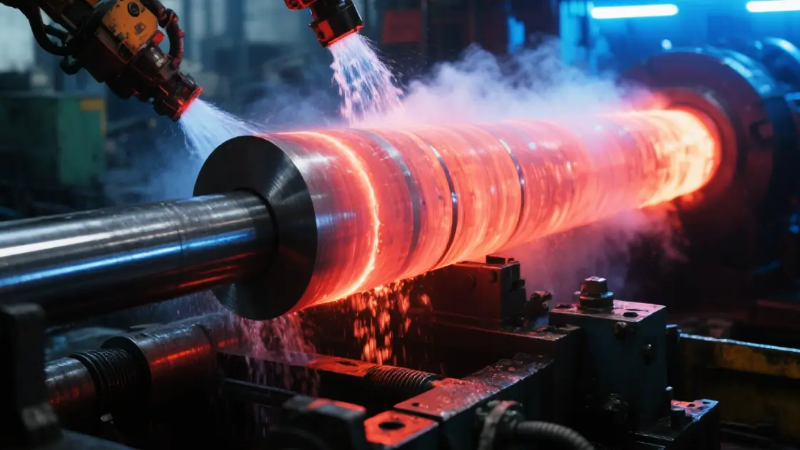
The superalloy has the capacity to remain strong and durable even in high-temperature environments, and as such, it is valuable in producing parts exposed to severe heat.
Ability to Withstand Corrosion and Oxidation
The nickel and chromium constituents offer the metal strong resistance to corrosion and oxidation by producing an oxide layer that prevents the part from harsh environments.
Resistance to Fatigue and Creep
It can also remain durable even after undergoing consistent stress and exposure to heat, which is helpful in turbine and exhaust components.
Excellent Weldability
Inconel 718, although very strong, offers great weldability features without breaking. With this, complex structures can be easily built and joined together.
Long Term Durability
Due to its precipitation hardening, components made from Inconel 718 have an exceptionally long lifespan, even in the most critical aircraft environments.
Benefits of Inconel Machining
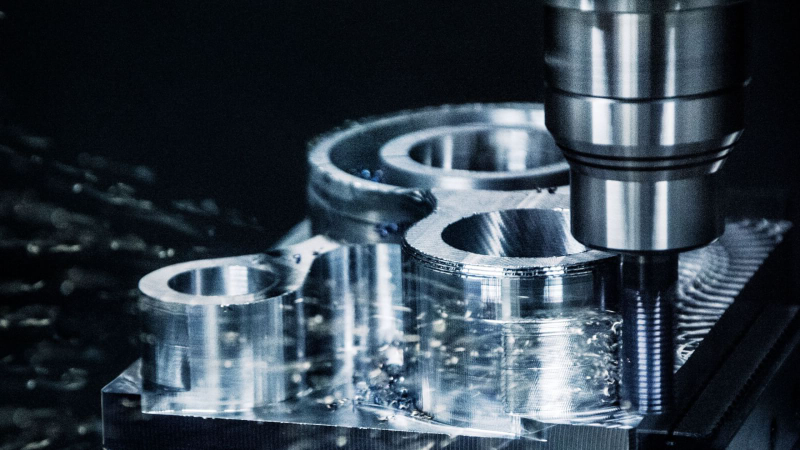
Ensures Precision and Consistency
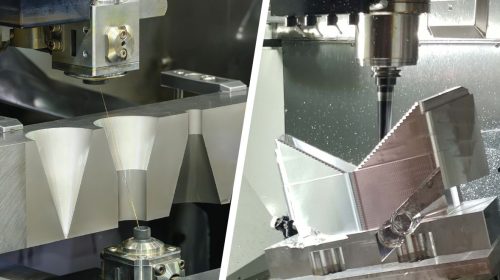
Inconel superalloys are compatible with advanced machining techniques, including CNC milling and turning. With that precision and reliability, aerospace components can be manufactured with confidence.
Enhances Components Lifespan
Aircraft components made from Inconel metals have a long service life, even in harsh surroundings. This helps reduce the cost of maintenance and repair of parts.
Ability to Machine Complex Part
Inconel machining can be used to achieve intricate aerospace components with tight tolerances using the right strategies, parameters, and tools
Enhanced Reliability in Welded Structures
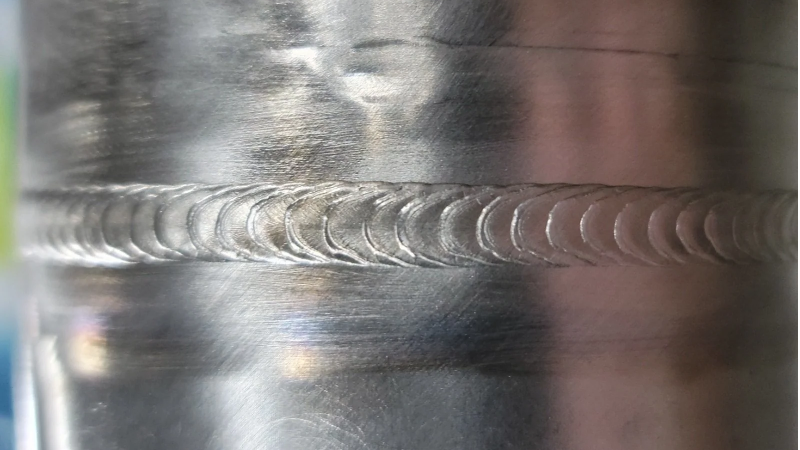
Many inconel offers high weldability, which makes complex structures easy to assemble. Additionally, it remains unaffected by welding, ensuring better performance.
Improved Component Performance
Aerospace parts made from Inconel exhibit improved performance due to the unique properties of the metal. Its corrosion, oxidation, and fatigue resistance help it remain durable after prolonged, intense, stressful usage.
Limitations and Challenges of Inconel Machining
While the metal is appreciated for its excellent qualities and benefits, there are some machining challenges you should know.
Wearing of the Tool
Inconel is a highly tough material, and as such, it exerts a significant amount of force and pressure during machining, resulting in more tool damage. With this, constant tool repair becomes necessary, leading to more cost.
Heat Generation
Inconel machining generates a significant amount of heat that can damage the tool or compromise part precision. As such, cooling strategies must be implemented to address this issue.
Low Milling Speed
Due to the material’s hardness, the milling speed must be kept low to avoid tool damage and maintain good finishing. As a result, the manufacturing rate slows down.
Work Hardening
Inconel 718, especially, hardens as it’s being milled, making the further production process even more difficult.
Applications of Inconel Machining
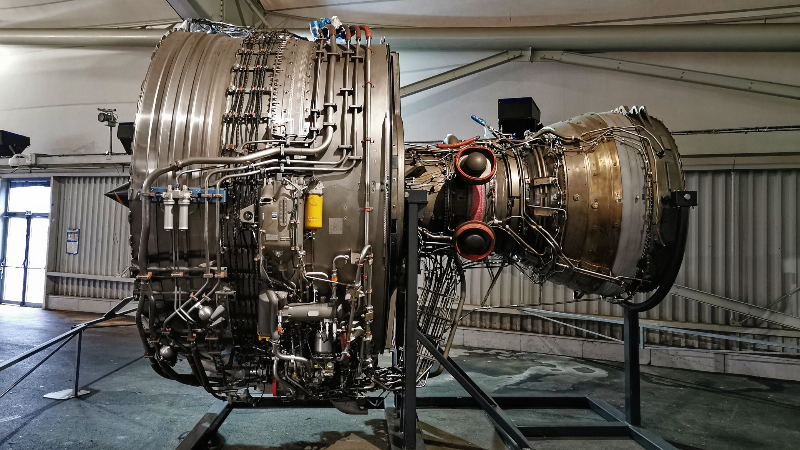
Some specific areas where Inconel 718 aerospace applications can be found include:
Aircraft Engines: useful in creating turbine blades, compressor discs, and enclosures that must withstand high temperature and stress.
Exhaust Units: Inconel is used here due to its resistance to oxidation and high heat resistance.
Gear Components: These are high-strength parts that must resist constant vibration
Fasteners and Bolts: Also highly durable components used across several aircraft structures.
Rocket Parts: These include fuel nozzles and specific structural components that are exposed to extreme heat.
Why Choose Inconel 718 Over Other Superalloys?
As mentioned earlier, Inconel 718 offers unique characteristics that make it stand out from other superalloys. Here is a brief comparison table with two other alloys:
| Feature | Inconel 718 | Inconel 625 | Titanium Alloys |
| Weldability | High | Moderate | Low |
| Strength Retainability in High Temperature | Excellent | Moderate | Moderate |
| Fatigue Resistance | Excellent | Good | Fair |
| Cost | Moderate | High | Moderate |
| Availability | High | Fair | High |
Conclusion
Inconel 718 remains one of the most versatile superalloys appreciated in the aerospace industry due to its exceptional qualities. However, inconel machining requires strategic procedures and tools for optimal results.
When you need highly accurate and complex Inconel parts, AeroCNCParts is your go-to partner. We have sophisticated technological facilities and tools, expert teams, and experience that allow us to effectively process inconel and other hard alloys. We are dedicated to delivering reliable and consistent components that suit your specific requirements. Contact us now.

Robert
Robert specializes in the mechanical properties and thermal resistance of aerospace metals and high-performance plastics. He has extensive experience with flight-grade materials, including Aluminum 7075, Titanium (Ti-6Al-4V), Inconel, and PEEK. He optimizes machining strategies for difficult-to-process materials to ensure structural integrity under extreme conditions.