Chromate Conversion Coating for Aerospace Components
A thin, chemically formed film that shields aluminum and magnesium alloys from corrosion while preserving conductivity and paint adhesion for aerospace structures requiring durable protection.
A thin, chemically formed film that shields aluminum and magnesium alloys from corrosion while preserving conductivity and paint adhesion for aerospace structures requiring durable protection.

Chromate conversion modifies metal surfaces through a controlled chemical reaction, producing a very thin protective layer on aluminum and magnesium parts. We apply this process under AS9100D and NADCAP oversight, ensuring uniform film formation and reliable electrical continuity.
Film thickness is typically 0.00001–0.00004 inches (0.25–1 µm), leaving component geometry and fitment unchanged for precision assemblies.

Produces a compact barrier that reduces oxidation and resists saline and humid environments.

Creates a receptive surface that enhances the bonding of primer and topcoat for long-lasting finishes.

Maintains surface conductivity for grounding and EMI shielding where required.

Ultrathin film preserves tight tolerances and mating surface accuracy.

Yields a consistent matte or iridescent appearance that aids inspection and finishing.

Trivalent and non-chromium variants reduce ecological and regulatory concerns while delivering protective performance.
Film Thickness
0.25–1 µm is typical for aluminum and magnesium alloys.
Corrosion Resistance
Designed to resist salt-spray and humidity exposure.
Electrical Behaviour
Preserves low surface resistance for bonding points.
Adhesion Basis
Promotes secure primer and paint bonding.
Operating Temperature
Stable for standard service up to ~150 °C.
Standards and Traceability
Executed within AS9100D, ISO 9001, and NADCAP frameworks.

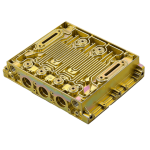
Milling thin walls while maintaining electrical conductivity for grounding.
Aluminum 6061-T6, 5052-H32
Lightweight pocketing requiring corrosion protection without dimensional change.
Aluminum 7075-T7351, 2024-T3
Complex fin milling ensuring thermal transfer and surface conductivity.
Aluminum 6063-T5, 6061-T651
Aerospace-aligned quality system

Documented and auditable processes

Adds protection and improves primer bonding for fuselage and skin panels.
External Aerostructures
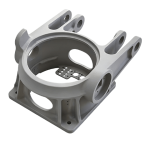
Reduces oxidation on machined brackets and load-bearing fittings.
Landing Gear Systems
Maintains conductive paths and prevents corrosion in enclosures.
Avionics Enclosures
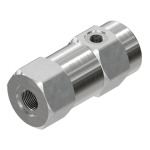
Strengthens sealing surfaces and supports long-term reliability of the fluid system.
Fluid System Fittings| Type | Pupose | Corrosion Resistance | Conductivity | Environmental Compliance | Note |
|---|---|---|---|---|---|
| Type I (Hexavalent) | Maximum traditional protection for legacy systems | Very High | Moderate | Low (restricted) | Often used where legacy specs allow. |
| Type II (Trivalent) | Modern, low-toxicity protection for production parts. | High | High | High (RoHS/REACH friendly) | Common choice for commercial aerospace. |
| Type III (Non-Chromium) | Chromium-free option for strict eco-requirements | Moderate | Moderate | Very High | Selected when chrome elimination is mandated. |
Common Questions on Chromate Conversion Coating for Precision Parts
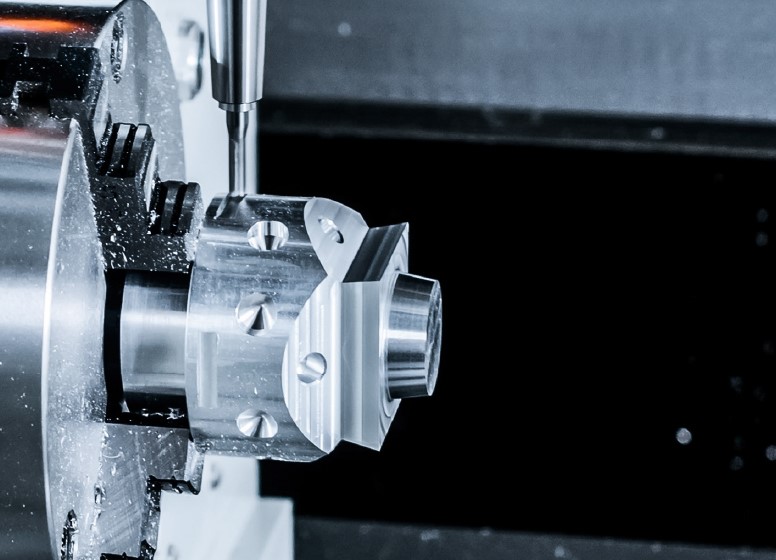
Full material traceability, 100% inspection, AS9100-ready process