How to Choose Magnesium Alloys for Aerospace Electronic Enclosures
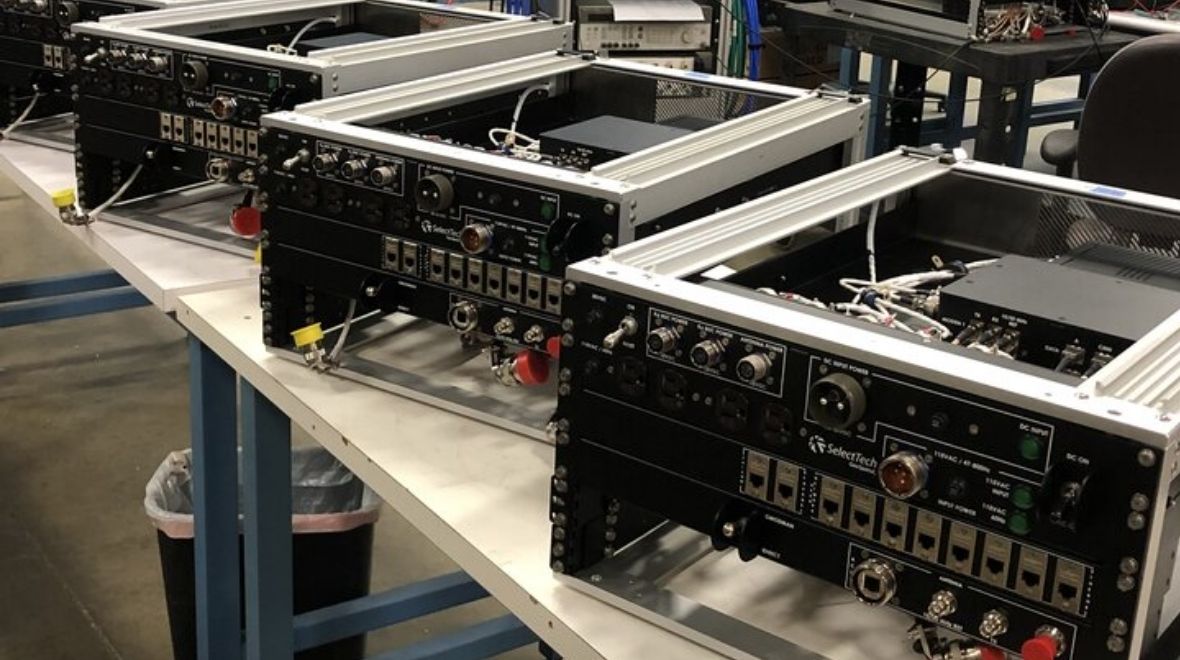
We manufacture flight and defense equipment, including aerospace electronic enclosures, that can resist the harshest environments. Weight, strength, corrosion resistance, and heat control are all essential considerations. We select magnesium alloys that meet applicable structural, environmental, and compliance requirements.
In this article, we will explain how to choose the right magnesium alloy, compare high-performance magnesium grades, and go over critical manufacturing and surface finishing methods, as well as aerospace testing, that can be used to establish the product’s long-term reliability.
What are Aerospace Electronic Enclosures?
Aerospace electronic enclosures are precision housings that protect and house critical onboard systems like flight controls, navigation units, and communication devices.
We design these devices to provide a safe environment for sensitive electronics, even when exposed to extreme altitude variations and constant vibration. They become part of the entire aircraft system, including engines, drones, and satellites, in situations where reliable operation and structural integrity are critical to mission success.
Why Use Magnesium Alloys for Aerospace Electronic Enclosures
Exceptional Weight Savings
Because magnesium in aerospace is one of the lightest structural metals available, we can offer improved weight savings for lower enclosures. Reducing the weight of the enclosures lowers the aircraft’s overall weight, improving fuel efficiency, increasing range, and increasing payload flexibility.
High Specific Strength
The impressive strength-to-weight ratio of magnesium alloys in aerospace applications enables us to design enclosures that are structurally stable under all expected mechanical loads. We ensure adequate stiffness at the loads, connectors, and fasteners without increasing the wall thickness.
Vibration Damping Capacity
Compared with many other structural metals, magnesium has superior damping characteristics, helping reduce vibrations transmitted from engines, rotor systems, and airflow. Minimizing vibration transfer prolongs the service life of internal electronics, reduces the risk of solder joint failures, and enhances reliability during repeated flight cycles.
EMI Shielding Properties
Magnesium alloys for aerospace have the unique ability to guard against electromagnetic interference due to magnesium’s high electrical conductivity. We use this property to create conductive enclosure paths that redirect harmful electromagnetic radiation.
Magnesium, when combined with appropriate grounding and sealing techniques, helps prevent signal loss and cross-system interference in complex avionics applications.
Impact Resistance Properties
Enclosures for aerospace applications must withstand impacts from turbulence, transport, and maintenance activities. Magnesium alloys are effective at absorbing energy and, importantly, retain their shape. This characteristic allows the enclosure to safeguard delicate internal constituents from impact without any permanent deformations
Top 5 High-Performance Magnesium Alloys for Aerospace Electronic Enclosures
AZ31B
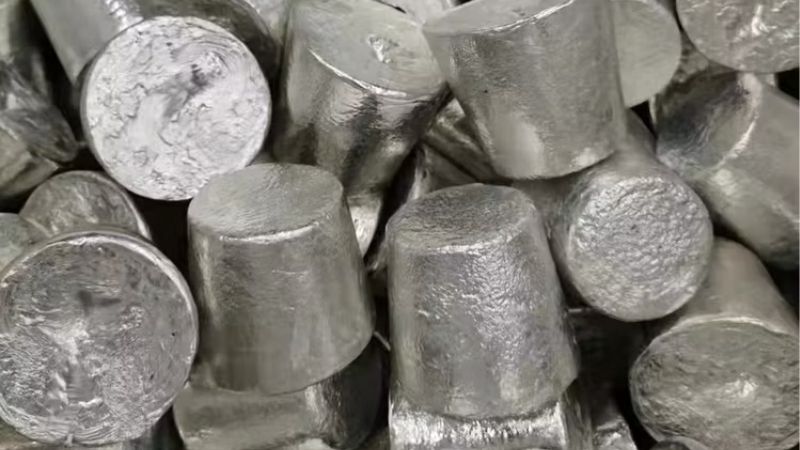
In mild-humidity and coastal environments, AZ31B is our preferred corrosion-resistant alloy. They can provide a smooth surface and steady mechanical performance for enclosures with an ideal, uniform grain structure. Such requirements arise in the development of lightweight yet durable avionics enclosures.
WE43
For high-temperature aerospace applications, WE43 is the preferred magnesium alloy. It can withstand oxidation while maintaining mechanical integrity when exposed to high temperatures for extended periods. It is ideal for electronic components located in aircraft engine compartments and/or satellite modules that will be subjected to continuous thermal cycling.
AZ91D
When an enclosure requires an excellent cast-surface polish and corrosion resistance, we recommend the AZ91D magnesium alloy. Additionally, due to the alloy’s wear-resistance, we can continue to supply structurally sound enclosures in regions with high friction or repetitive connection and disconnection, such as removable panels or connectors.
ZK60A
ZK60A is unique among materials used in applications that require maximum fatigue resistance and rigidity. We commonly use ZK60A in load-bearing closures or brackets that support vibration-sensitive electronic components that must maintain their shape and mechanical properties over multiple flight cycles.
Elektron 21
Elektron 21 is an excellent material for high-precision enclosures that require dimensional stability and tight tolerances. Its good weldability and resistance to stress corrosion make it perfect for aerospace electronic devices that require reliability under mechanical stress and long-term use.
Engineering Comparison Table for Aerospace Electronic Enclosures
| Alloy | Density (g/cm³) | Tensile Strength (MPa) | High Temp Limit | Corrosion Resistance | Primary Production Benefit |
| AZ31B | 1.77 | 260 | 120°C | Moderate | High machinability: makes it perfect for precision CNC milling of complex avionics chassis. |
| WE43 | 1.84 | 250 | 300°C | Excellent | Thermal Stability: Keeps shape in high-temperature engine environment. |
| AZ91D | 1.81 | 230 | 150°C | Excellent | Castability: is suitable for high pressure die casting of complex, thin-walled enclosures |
| ZK60A | 1.83 | 310 | 100°C | Moderate | Specific Strength: High fatigue resistance for load-bearing electronics enclosures. |
| Elektron 21 | 1.82 | 280 | 200°C | Excellent | Pressure Tightness: Tailored for precision casting in high-reliability flight systems. |
Optimizing Thermal and EMI shielding in Aerospace Electronic Enclosures
Heat Dissipation Efficiency
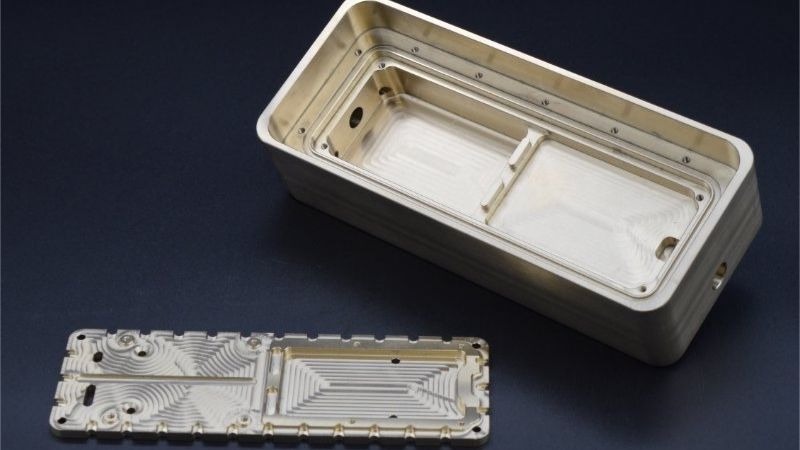
Magnesium is used in aerospace electronic enclosures because of its great thermal conductivity. The housing design includes integrated heat sinks, fins, and ribs to aid heat transmission away from sensitive electronic devices, allowing each component to operate at an acceptable temperature.
Inherent EMI Protection
Magnesium’s natural conductivity allows for electromagnetic interference (EMI) protection. We improve EMI shielding by adding measured grounding paths, conductive gaskets, and enclosure design to reduce signal interference within the avionics.
Thermal Management Design
We use magnesium for aircraft parts, to build airflow vents, to estimate wall thickness, and to transmit thermal energy away from the board. This reduces localized heating, allowing electronics to operate at the required temperatures despite the extreme environmental conditions encountered during flight.
Advanced Surface Treatments for Magnesium Aerospace Electronic Enclosures
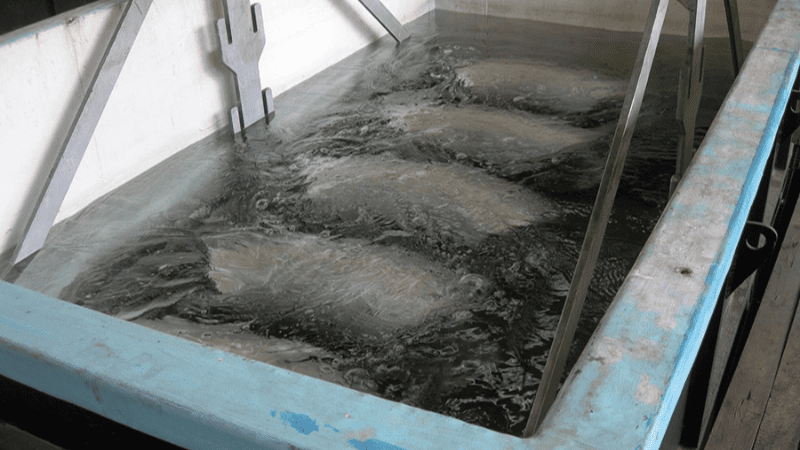
Mil-spec Anodizing Processes
Type II or Type III anodizing for magnesium forms a hard, protective anodic oxide layer that enhances corrosion and wear resistance, acts as a good base for surface treatments such as primers and paints, and provides unique visual effects.
Chomate Conversion Coatings
Chromate conversion coatings improve corrosion resistance while maintaining electrical conductivity for grounding and EMI shielding. They also improve paint adherence, which is important for aerospace primers and polyurethane topcoats.
Electroless Nickel Plating
Electroless nickel plating improves wear resistance, connector strength, and EMI shielding, all of which are essential for mission-critical aircraft enclosures and electronic assemblies. It is especially important with complex geometries.
Galvanic Isolation Techniques
Because magnesium is extremely anodic, it is prone to galvanic corrosion when in contact with aluminum, stainless steel, or titanium fasteners. Long-term corrosion in aircraft enclosures is reduced using isolation techniques such as coated fasteners, non-conductive bushings, sealed interfaces, and regulated ground routes.
Precision Manufacturing Considerations for Magnesium Aerospace Electronic Enclosures
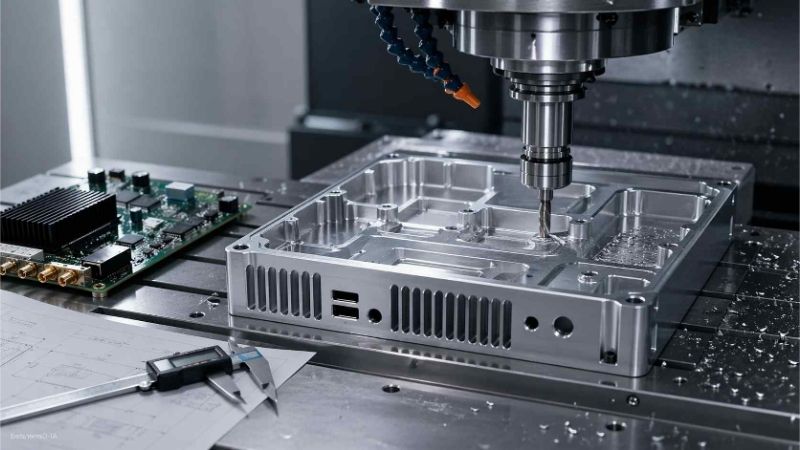
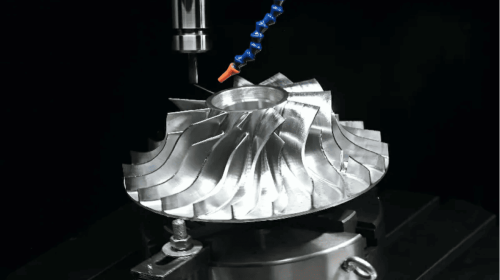
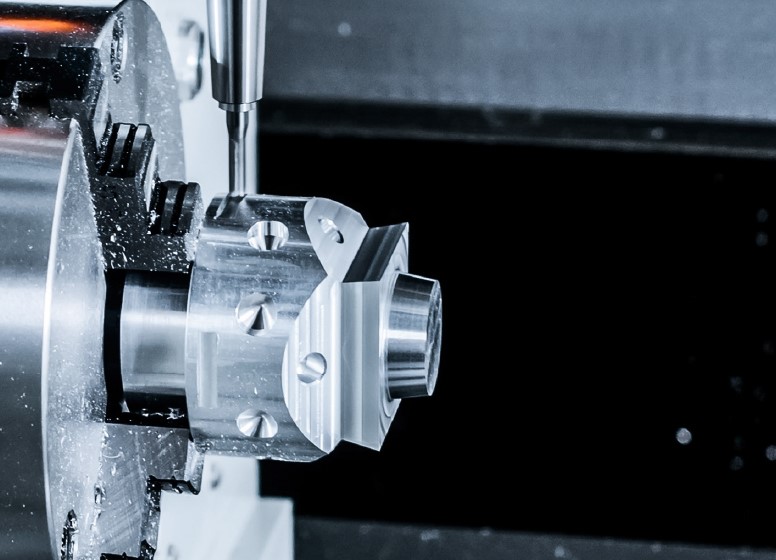
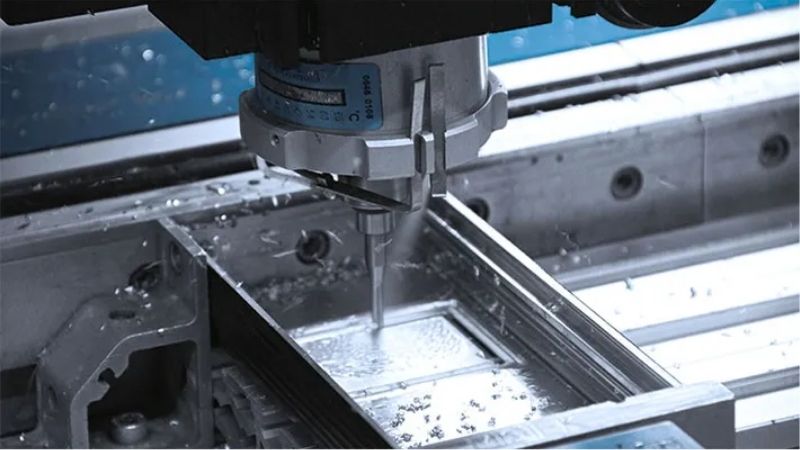
High-Speed CNC Machining: We process magnesium at optimized speeds to create clean surfaces on pockets, ribs, and weight-reduction features while keeping edges and surfaces sharp and of high quality.
Strict Tolerance Control: We maintain tight tolerances and control dimensional accuracy for solid PCB mounting, connector placement, EMI gasket compression, environmental sealing, and overall flats for cover interface and O-ring groove flats.
Complex Thin-Wall Milling: We create internal ribs and thin-wall constructions to conserve weight while retaining structural integrity. We achieve this by controlling tool routes, which reduces distortion and vibration.
Safe Chip Management: When working with magnesium alloys in aerospace applications, we take safety very seriously. This involves carefully managing chip removal, following spark-prevention measures, and ensuring fire suppression systems are in place to address any flammability risks.
Key Requirements for Magnesium Aerospace Electronic Enclosures

AS9100: All process control, traceability, risk management, and lifecycle documentation are compiled for all enclosures.
NADCAP: All of our production processes use NADCAP-approved methods, such as anodization and plating, for aerospace applications.
ASTM & AMS Material Specs: All materials used in aerospace electronic enclosures are fully traceable to their original manufacturing point, with mill certifications demonstrating conformance to ASTM and AMS requirements.
Fire & Flammability Ratings: To restrict flame spread, heat release, and smoke production, we manufacture magnesium aerospace electronic enclosures with specific fire and flame spread ratings built into the design.
Conclusion
Aerospace electronic enclosures require advancements in design and solution development rather than depending on commodity materials. Because of our capacity to use highly inventive magnesium alloys and advanced, flexible design methodologies, we can deliver dependable aerospace systems, rapid prototypes, and smarter iteration cycles.
AeroCNCParts’ advanced magnesium solutions can help you design an ultra-lightweight, long-lasting enclosure system that can safeguard electronics in any environment. Collaborate with us to develop dependable systems for your aircraft needs.

Robert
Robert specializes in the mechanical properties and thermal resistance of aerospace metals and high-performance plastics. He has extensive experience with flight-grade materials, including Aluminum 7075, Titanium (Ti-6Al-4V), Inconel, and PEEK. He optimizes machining strategies for difficult-to-process materials to ensure structural integrity under extreme conditions.