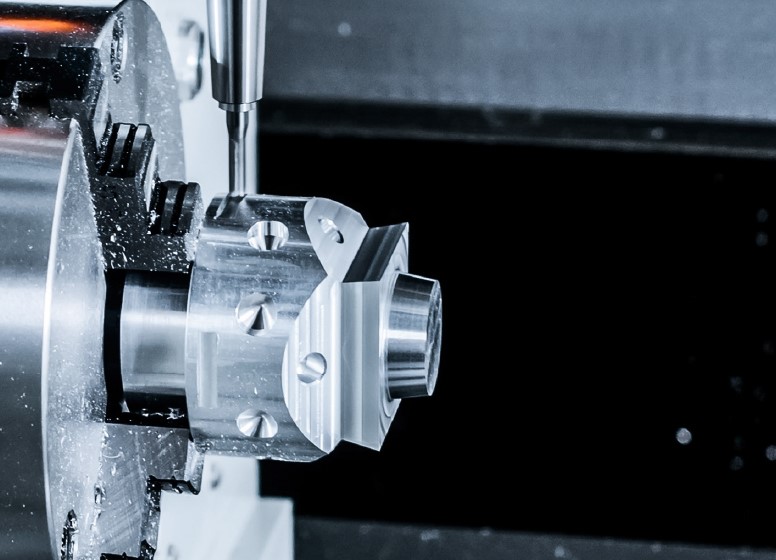
How to Machine Aerospace Aluminum Alloys (7075 / 7050 / 2024)

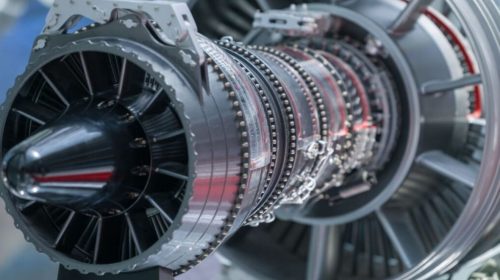
When we talk about machining for the aerospace industry, aluminum alloys are valuable materials that we’ve used over the years due to their unique qualities. Although they are lightweight, they are highly durable and resistant to harsh aircraft conditions.
This blog, therefore, explains how to machine aerospace aluminum alloys, their properties, and much more.
What are Aerospace Aluminum Alloys?
Aerospace aluminum alloys are specific aluminum alloys valued in the aircraft industry due to their high strength, low weight, durability, and corrosion resistance.
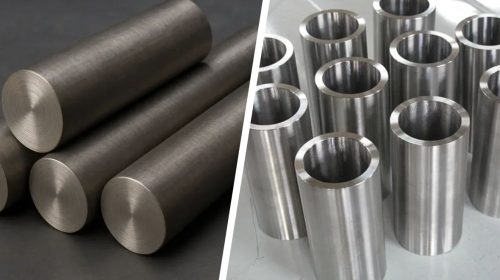
These are high-performance aluminum alloys, such as 7075, 7050, and 2024, commonly used in aerospace due to the exceptional benefits and features they offer.
Key Properties of Aerospace Aluminum Alloys (7075 vs 7050 vs 2024)
Strength-to-Weight Ratio
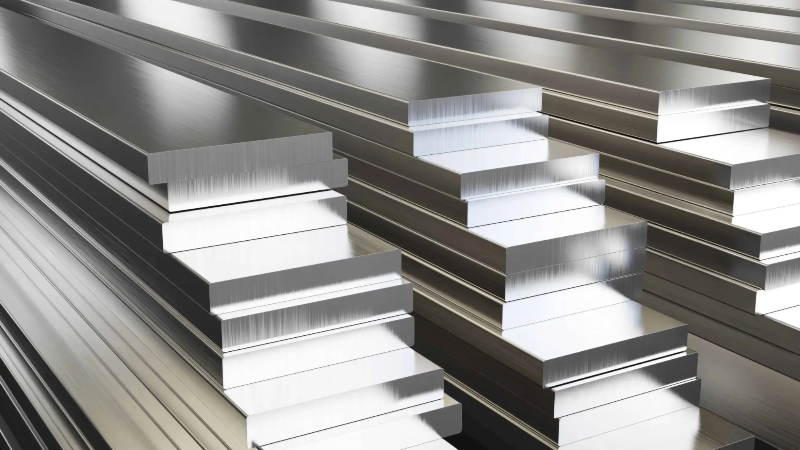
Aerospace aluminum alloys offer high strength and durability while maintaining low weight. This is crucial in aircraft applications, as it helps improve fuel efficiency and reduce costs. 7075 offers the best strength-to-weight ratio, followed by 7050 and 2024.
Corrosion Resistance
They are also highly resistant to corrosion, making them suitable for extreme aerospace applications. With this feature, they can remain durable and reliable over a long period of time.
7050 is widely valued for its high corrosion resistance, followed by 7075 and 2024 aluminum alloys. Treatment, such as anodizing, even helps improve their corrosion resistance.
Electrical and Heat Conductivity
These aluminum alloys also offer excellent electrical and thermal conductivity, making them useful in applications involving electrical connections and heat management, such as aircraft cooling systems, heat exchangers, cables, and fittings.
Machinability Characteristics
Aluminum alloys can be easily machined to form several intricate, high-precision aerospace parts.
They are also compatible with many advanced machining techniques, including CNC milling, CNC turning, and drilling, among others, making production more effective.
While 7075 and 2024 offer good machinability features, 7050 requires strategic tooling and machining parameters to achieve the best results.
How to Machine Aerospace Aluminum Alloys?
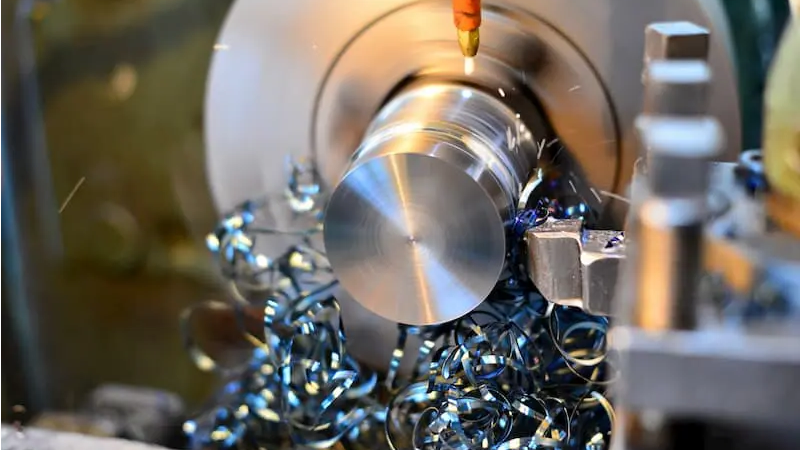
Here are the key techniques we use for aluminum alloys for aerospace components:
CNC Milling
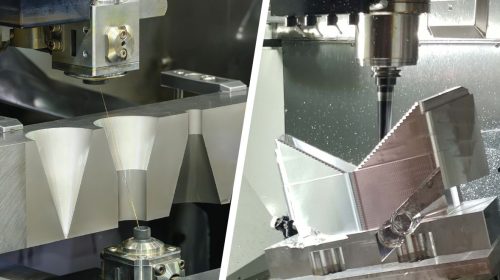
CNC milling is one of our top machining techniques for aerospace aluminum alloys. The method utilizes computer-controlled machines with rotating milling tools to produce the desired aerospace parts.
Although 3- or 4-axis CNC milling methods can be used, the 5-axis method offers greater production efficiency, enhances precision, and reduces machining time.
CNC Turning
This is a subtractive manufacturing technique that utilizes computer-controlled technology to remove material from a rotating workpiece, producing cylindrical or conical-shaped components.
CNC Drilling
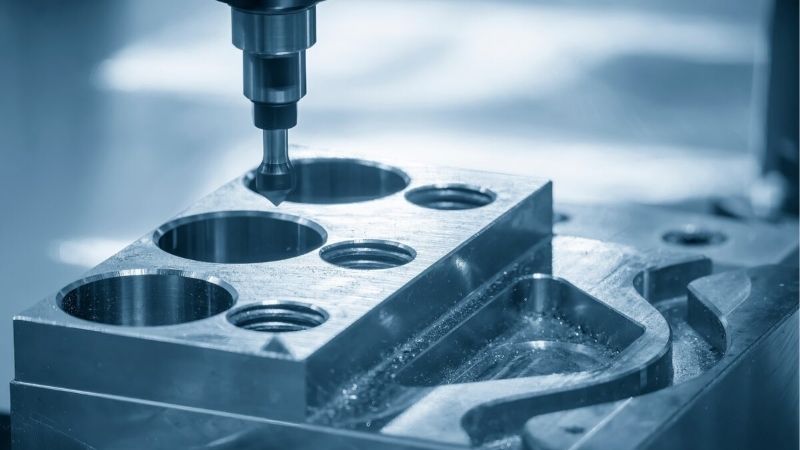
CNC drilling also utilizes a computer-controlled system and a precision drill bit to create accurate holes in a material, in order to produce the desired component.
Challenges in Machining Aerospace Aluminum Alloys
Precision and Dimensional Accuracy
Aerospace components require a precision level of ±0.005mm or better. Several factors contribute to the dimensional accuracy challenge during machining, making it difficult to achieve tight tolerances.
Some aluminum alloys, such as 2024, are soft and can cause deflection during milling. Aluminum also has a high coefficient of thermal expansion, which causes it to absorb heat and expand, thereby affecting dimensional accuracy.
Heat Management During Machining
Although aluminum is known for its thermal conductivity, it also accumulates heat easily during machining. This increases the likelihood of tool wear, which can affect part accuracy and surface finish. As such, we use an appropriate cooling system to manage heat.
Best Practices for Machining Aerospace Aluminum Alloys
Selecting the Right Cutting Tools
We utilize carbide cutting tools with sharp edges to ensure smooth and burr free machining and eliminate wear.
Optimizing Cutting Speeds and Feeds
By optimizing machining parameters, we ensure effective machining. We use high spindle speed, adjust the feed rate, and milling depth for better heat management, prevention of tool damage, and better surface finish.
Using High-Pressure Coolants
We use high-pressure and water-soluble coolants to eliminate heat buildup, prevent tool wear, and improve finishing.
Surface Finishings for Aerospace Aluminum Alloys
Below are the popular surface treatments we use for our aerospace aluminum parts
Anodizing
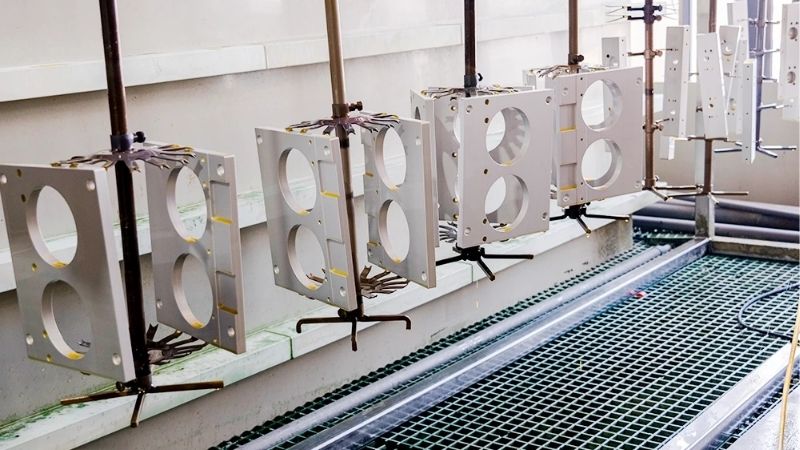
This surface treatment forms an oxide layer on the machined components by submerging the part in an electrolyte solution. This helps improve the corrosion and wear resistance of the part.
While type II anodizing provides aesthetic function, type III gives the part a hard protective surface, enhancing its durability.
Passivation
Passivation treatment helps remove impurities and unwanted particles from machined parts, improving their final surface appearance, performance, and corrosion resistance. Passivation on a very tight micron level, ensuring parts maintain dimensional accuracy.
Polishing
This surface finishing is used to achieve a smooth, fine appearance for aerospace parts. It helps eliminate burrs and coarse elements from a surface, leaving visually appealing parts. Polishing improves part durability and reduces friction.
Powder Coatings
Powder coatings provide a durable, corrosion and wear-resistant finish for aerospace structures. Commonly used for metal components, it offers resistance against severe aircraft conditions and provides additional aesthetic function.
Applications of Aerospace Aluminum Alloys
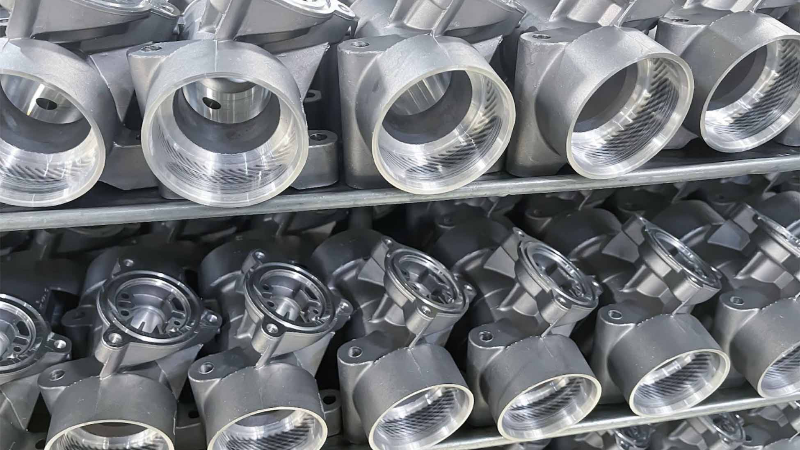
Here are our top aluminum alloys for aerospace applications:
7075
Essential for parts such as landing gear units, aircraft structural components, fasteners, rotor units, and wing components, etc.
7050
Used for fuselage structures, wing parts, landing gear units, brackets and mounts, structural parts, etc.
2024
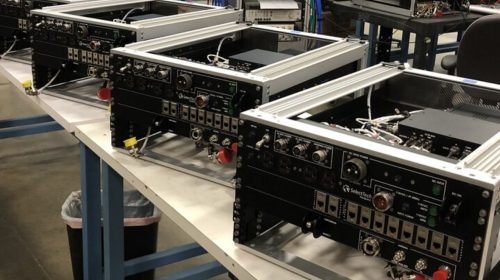
Valuable for producing hydraulic parts, structural components, wings, fuselages, and Avionics units.
Conclusion
While aerospace aluminum alloys offer valuable benefits, using the right tools and coolants, cutting parameters, and machining techniques is key to achieving great results. This article, therefore, explains all you need to know about how to machine aerospace aluminum alloys.
At AeroCNCParts, we offer tight tolerance and quality performance aerospace parts. We utilize high-grade aluminum alloys, including 7075, 7050, and 2024, as well as various metal and non-metallic materials, along with advanced CNC machining techniques, to deliver AS9100 and NADCAP-approved parts.
We also offer no minimum order policies with swift global delivery. Get a free quote now.

Eva
Eva is a Key Account Manager and Head of AeroCNCParts, a division of DEK. She has over ten years of international sales experience, with strong expertise in market management, customer partnerships, and precision parts manufacturing. Outside of work, she enjoys reading, tea culture, and is a certified tea specialist.