How to Choose the Right Aerospace CNC Machining Supplier

Choosing the best aerospace CNC machining supplier is crucial to achieving success in your next project. The aerospace industry requires parts that meet quality, reliability, and safety standards. Beyond that, you would need to consider the supplier’s reputation, scalability, certifications, and other factors.
We explain everything you need to know in this guide. Now let’s read on.
Choosing the Right Aerospace CNC Machining Supplier
Here is a comprehensive list of factors to consider when selecting a company for CNC machining of aerospace parts.
Experience and Flexibility
One of the most important factors to look out for when choosing a supplier for CNC machining aerospace parts is experience.
Here, you would need to consider the years of experience and the specific types of jobs the supplier has worked on over the years.
Similarly, you need to check for flexibility in terms of materials used, ability to handle simple and complex projects, ability to adjust to specific customers’ needs, and much more.
Market Reputation and Global Presence
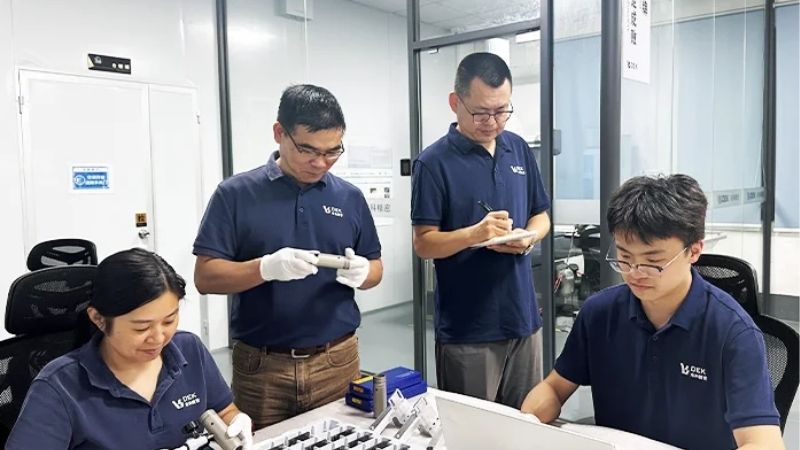
A company’s reputation shows how credible it is and how past customers have interacted with the supplier. With a good reputation, you can be confident that you’re working with the best brand to achieve accurate results.
With a tangible global presence, you can also be assured that we have served other customers in your region. This, in turn, translates to stress-free international delivery and quick turnaround times for you.
Cost and Pricing Structure
The cost and pricing structure is another point to look out for when selecting a supplier for aerospace CNC machining. Therefore, it’s essential to consider your budget in conjunction with the quality of service.
Opting for a cheap service might not always be the best option, as multiple errors could lead to additional production cycles and increased time, which comes with higher costs.
Additionally, you need to verify that there are no hidden fees. Overall, be sure you’re getting real value for your money before committing.
Certifications and Regulatory Compliance
Obtaining proper certification and maintaining compliance are critical aspects of being an aerospace supplier. As such, you must thoroughly check this when selecting one for CNC machining of aerospace parts.
AS9100/ISO 9001
The AS9100 standards help ensure the company produces quality, safe, and traceable parts, and they are built upon the standards of ISO 9001, but with more specific aerospace regulations.
NADCAP
NADCAP (National Aerospace Defense Contractors Accreditation Program) is an internationally recognized accreditation program that ensures the quality and reliability of aerospace components.
It focuses on specific processes, including heat treating, coating, chemical processing, non-destructive testing, and aerostructure assembly, among others.
Export and Defense Regulations (ITAR or EAR)
Specific components used in defense, military, or for export require that the supplier be in compliance with the International Traffic in Arms Regulations (ITAR) and the Export Administration Regulations (EAR).
Depending on the particular project, you may want to verify if the supplier is registered with ITAR and EAR.
Technical Capabilities and Equipment Mastery
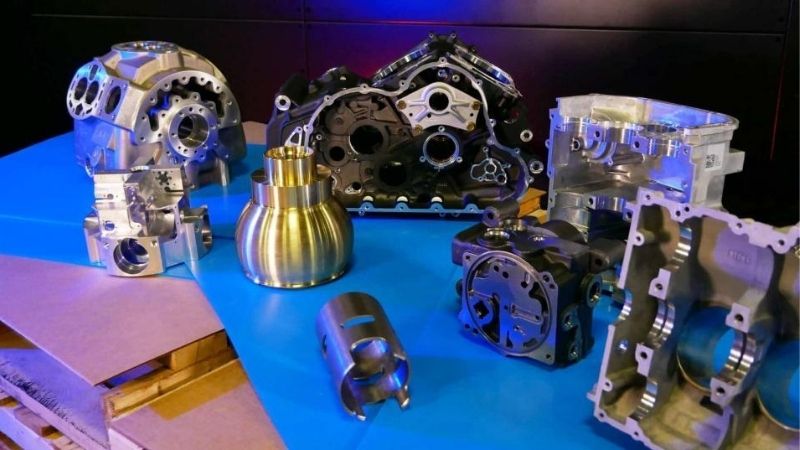
Analyzing the supplier’s technical capabilities in terms of the machines, tools, and software they work with is also vital.
Advanced Machining Capability
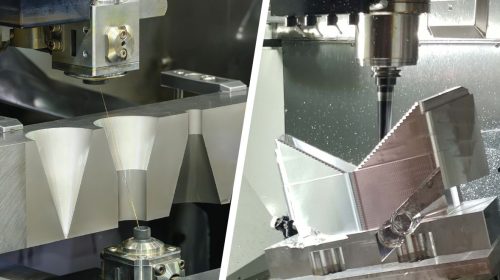
Ensure that the supplier can handle complex machining projects that require 5-axis CNC machining.
Do they have the machining capacity to handle CNC turning, surface grinding, and other processes? Look out for the specific tools, cooling strategies, and machining professionals used.
Specialized Material Expertise
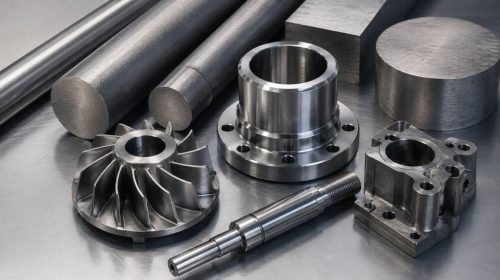
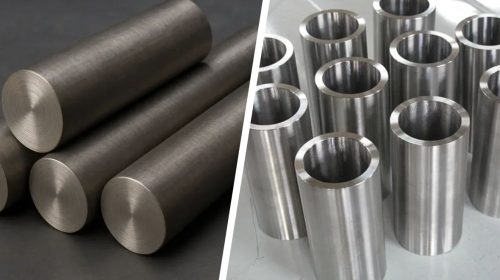
Having accurate knowledge and experience with aerospace-grade materials is key. Different materials, including aluminum, titanium, and PEEK, possess varying machining behaviors.
And as such, engineers must understand them to optimize the production process and ensure precision.
Prototype Machining for Aerospace R&D
Prototyping allows you to easily create and test a part design and functionality. Looking out for companies that offer quick prototyping is key, as it helps reduce production time and cycles, and eliminates errors in mass production.
Moreover, getting a supplier that can guarantee rapid prototyping means they possess the required CNC machines, tools, software, materials, and experts readily available.
Obsolescence and Replacement Part Manufacturing
Be sure to also check for suppliers that can produce aerospace parts to meet your replacement needs, following your unique initial machining specifications and materials.
You would also want to look out for companies that offer MRO (Maintenance, Repair, and Overhaul) support.
Quality Management and Full Traceability
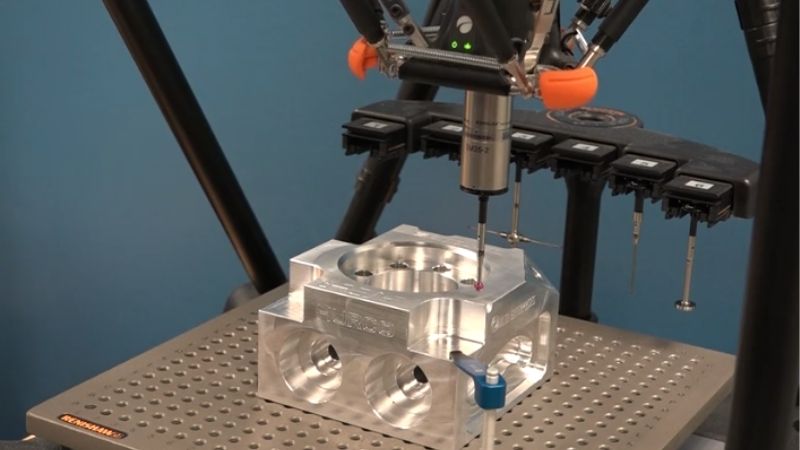
Looking out for the supplier quality control system and traceability is also crucial in aerospace parts manufacturing.
In-Process Quality Checks
These include all the steps and strategies implemented to ensure machining processes are effective. In-process quality checks help minimize and detect errors early, allowing for immediate adjustments.
It also includes machine and tool setup checks, temperature control, and other related tasks.
Inspection and Validation Equipment (CMM)
Are there systems for inspection and validation? Does the supplier use Coordinate Measuring Machines (CMM) to check for dimensional accuracy? Are there rooms for inspection documentation and lot tracking? All of these factors need to be taken into account.
Complete Digital Traceability
From the raw materials used to machining strategies, finishing, inspection, and assembly, every process must be adequately documented and recorded with the right software.
This is to ensure regulatory compliance, effective audit, and guarantee a smooth transaction with the supplier.
Supply Chain Management and Scalability

With adequate supply chain management and capacity for scalability, you can avoid production delays while maintaining smooth delivery.
Size and Volume Capacity
CNC machining for aerospace parts also requires factoring in the size of the company. Large companies will most likely possess the machines and tools for complex and mass production than small-sized ones.
If you wish to scale your production in the long run, a large company would be the best.
Inventory and Logistics
Companies that maintain accurate inventory are more likely to provide a stress-free service. Moreover, you would also want to ensure they offer efficient and quick delivery to your location.
Operational Excellence and Partnership Potential

A good supplier doesn’t just produce, but also strives for customer satisfaction, operational success, and collaborative partnerships. Here are some factors to look out for.
Engineering and Design Collaboration
Ideally, you should work with a company that offers relevant engineering and design collaboration.
Do they offer design for manufacturability? Are there guidelines for material usage and complex designs, and so on? All of these should be geared towards maximizing production efficiency.
Lead Time and Scheduling Reliability
Partnering with suppliers with reliable and consistent lead times is also vital. Be sure to ask questions about production time, shipping and delivery, urgent turnaround, and other relevant details.
Working with AeroCNCParts ensures a quick turnaround time of 4 to 7 business days, eliminating delays while meeting your specific project needs.
Data Security and Intellectual Property
You would also want to verify the data and intellectual property protection strategies implemented both digitally and physically. This helps ensure regulatory compliance and avoid legal issues.
After-Sales Support and Service Network
After-sales support and service network include every activity and step taken to ensure the full performance of aerospace parts post-production and delivery.
This could include assisting with installation, replacing parts, providing preventive maintenance services, and offering training services, among others.
Sustainability and Environmental Practices
CNC machining for aerospace parts should essentially adhere to sustainable and environmentally safe practices.
Effective waste management and disposal, along with proper recycling techniques, are crucial for maintaining regulatory compliance, establishing a fair pricing structure, and preventing environmental impacts.
Communication and Risk Transparency
Effective communication is also crucial to achieving success. Therefore, it’s best to work with a supplier that provides accurate information regarding material availability, turnaround time, regulatory compliance, etc.
The supplier should also be able to communicate production progress, address your queries, and offer solutions.
Value-Added Services
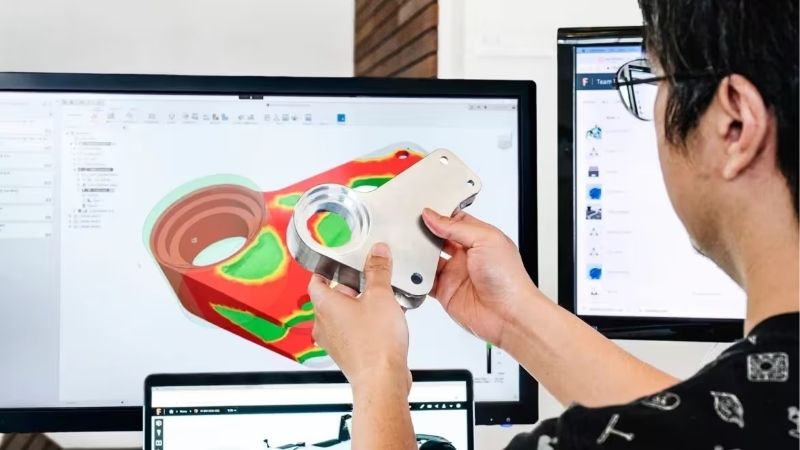
There are other crucial services and strategies, as outlined below, that facilitate effective machining and production processes. Check out for them too.
CAD/CAM Support for Design Optimization
Ideally, you should work with a supplier that helps optimize your CAD files, makes necessary adjustments, and reviews the design for adequate CAM tool paths.
Material Sourcing and Certification
Ensure the company readily has the material you require or can easily source it from an approved supplier. Each material should also be easily traceable with proper material certification.
Batch Coding and Serialization
Batch coding and serialization enable components to be easily traced throughout production and until delivery. Beyond that, it is essential for regulatory compliance.
Finishing Services including Anodising, Passivation, and Painting
Working with a company that offers machining together with finishing services is key , as many aerospace components require finishing treatments.
This is vital for improving the part’s resistance to harsh environments, enhancing its appearance, and more.
Assembly and Functional Testing
With assembly and functional testing services, you can obtain parts that have been thoroughly tested, assembled, and verified for proper fit and function. This helps prevent delays while enhancing the performance of components.
Examples of What AeroCNCParts Can Produce
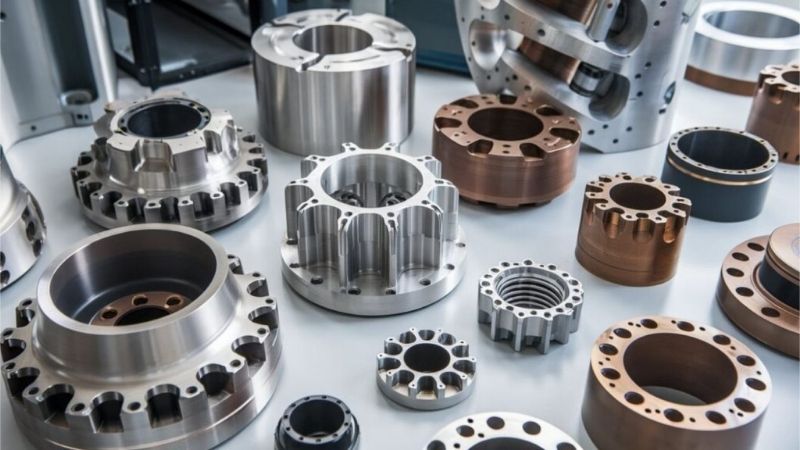
As a prominent aerospace part manufacturer, we handle a wide range of high-quality, reliable, and complex aircraft parts, including the following.
Landing Gear Components: Including axles, bushings, and housing made of high-strength alloy for easy landing and takeoff.
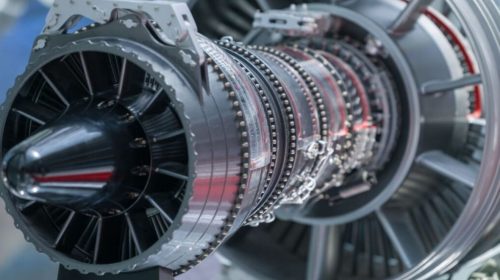
Turbine Components: Parts like blades and casing are made with high-heat-resistant materials.
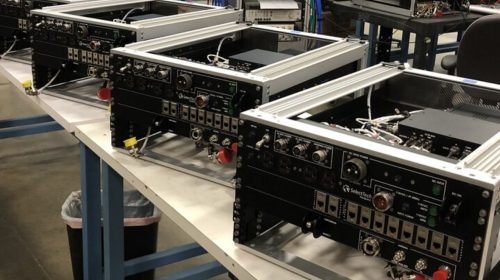
Avionics Housing: These serve as protective covers for electronic units and must be able to withstand extreme temperatures and vibration.
Engine Mount Units: Machined accurately to withstand consistent vibration, stress, and heat.
Satellite Structures: Lightweight but highly durable panels that support the satellite unit.
Aerospace Interior Parts: Including seat frames and mounting brackets machined for comfort and reliability.
Sensor Housing: Lightweight and high-strength parts that protect the sensor unit.
Wing Assembly Units: Consisting of ribs and produced with high precision for optimal functioning.
Why Choose AeroCNCParts as Your Aerospace CNC Machining Supplier?
AeroCNCParts is a leading aerospace parts manufacturer with over 20 years of experience serving customers worldwide. We are ISO 9001, AS9100, and NADCAP certified, and our manufacturing process, from material sourcing to final assembly, follows full traceability and inspection procedures.
From 5-axis CNC machining to comprehensive surface treatment, we possess the technical expertise and tools necessary to successfully complete your project. Get in touch now.
Conclusion
Selecting the right aerospace CNC machining supplier is crucial for achieving the best results. From experience, certification, quality assurance processes, pricing, logistics, and reputation, there are several factors to consider before committing.

Bin
Bin manages daily production, covering scheduling, workflow coordination, and shop-floor control. He has strong experience in machining processes, tooling, and practical problem-solving. In his free time, he likes outdoor exploration and adventure trips.