High-Grade Aluminum for Aerospace Components

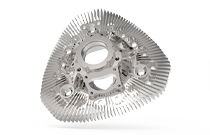
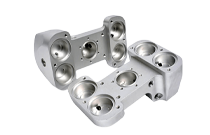
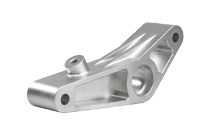
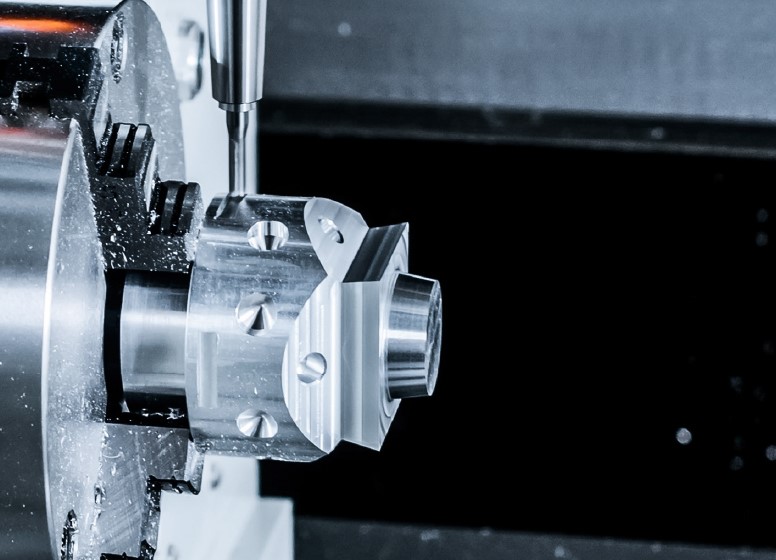
Aluminum is a low-density, high-durability metal valued in aircraft manufacturing for its exceptional resistance to corrosion and fatigue. It delivers smooth machinability with tight dimensional tolerances and supports multiple finishing treatments.
Request Technical Review
What it is

Precision Aerospace Aluminum Machining by AeroCNCParts

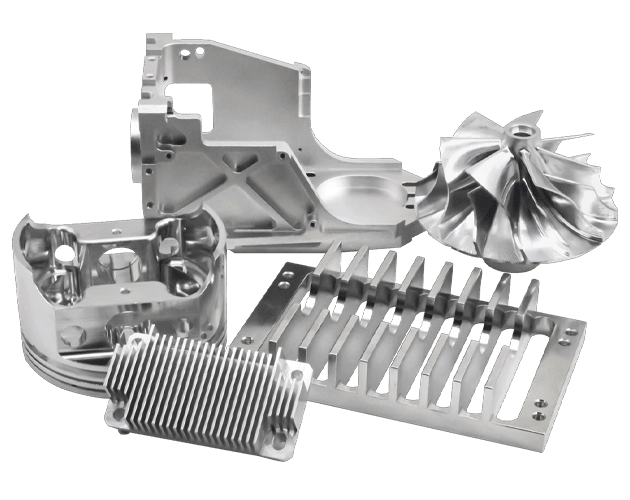
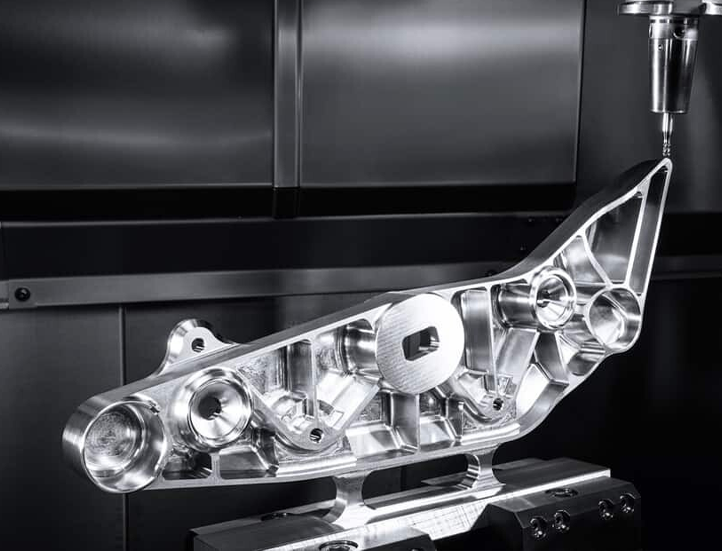
AeroCNCParts manufactures high-accuracy aluminum aerospace components with tolerances up to ±0.005 mm. Utilizing AS9100D-certified and NADCAP-approved systems, we ensure complete material traceability and deliver lightweight, high-performance parts.

  • Verified full-traceability and FAI reporting
  • 5-axis machining expertise for complex aluminum parts
  • NADCAP-certified finishing processes
  • ISO 9001 and ITAR compliance for quality assurance
At a Glance

Core Properties of Aerospace-Grade Aluminum

Density

2.6 – 2.8 g/cm³

Ultimate Tensile Strength

≈ 300 – 580 Mpa

Yield Strength

≈ 240 – 510 Mpa

Hardness

≈ 70 – 150 HB

Elastic Modulus

≈ 68 – 72 GPA

Machinability

Excellent

Weldability

Good – Excellent

Corrosion Resistance

Moderate – Excellent

Finishes

Typical Surface Treatments for Aluminum

Hard Anodizing

Corrosion & wear resistance; cosmetic options.

  • Builds a dense oxide layer to increase
    hardness and wear resistance, ideal for
    exterior or high-stress aerospace sections.

Alodine

Adds a thin, corrosion-protective chromate layer.

  • Adds a conductive, corrosion-resistant
    coating while preserving tight tolerances in
    critical aircraft components.

Electropolishing

Micro-smooth finish; improved brightness & cleanliness.

  • Refines the surface at a microscopic level,
    lowering friction and improving fatigue life
    for moving aerospace parts.
Advantages

Aluminum Material Advantages

  • Lightweight Nature

    Delivers superior mechanical integrity while keeping weight low, enhancing aircraft efficiency and fuel economy.

  • High Machinability

    Supports intricate 5-axis machining with stable dimensional control, even in thin or delicate configurations.

  • Efficient Heat and Electrical Flow

    Performs well in electronic housings, heat exchangers, and thermal control systems due to its strong conductivity.

  • Corrosion Protection

    When anodized or chemically treated, aluminum withstands harsh weather and operational stress with lasting durability.

Comparison

7075 VS 2024 & 6061

High-level comparison of common aerospace aluminums. Always align to your program spec.

Alloys Strength Corrosion Resistance Fatigue Resistance Machinability Note
7075 Very High Moderate Excellent Fair Applied to wing spars and landing gear needing maximum load-bearing strength.
2024 High Moderate Good Good Used in fuselage skins and bulkheads where fatigue strength is critical.
6061 Medium Excellent Good Excellent Common for housings, mounts, and lightweight structural components.
FAQ

Frequently Asked Questions

Why is aluminum preferred for aerospace components?
It combines strength, lightness, and corrosion resistance, making it perfect for airframe, engine, and electronic structures.
Which aluminum grades does AeroCNCParts machine most often?
AeroCNCParts typically uses 7075, 2024, and 6061, each selected for its balance of durability, fatigue strength, and machinability.
How quickly can AeroCNCParts produce aluminum aerospace parts?
Lead times generally range from three to seven days, depending on design intricacy and testing requirements.
Does AeroCNCParts handle both prototypes and large runs?
Yes. AeroCNCParts supports low-volume prototypes as well as full-scale production, maintaining consistent precision and certification records.
How does AeroCNCParts ensure batch-to-batch uniformity?
Through lot tracking, FAI validation, and 100% inspection in compliance with ISO 9001 and AS9100D standards.
Materials

Related Materials