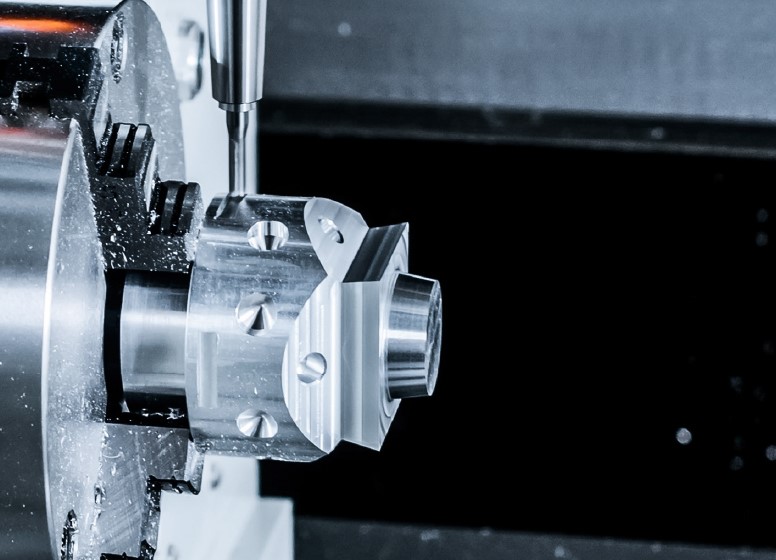
Melting Point of Inconel: What It Is and Why It Matters
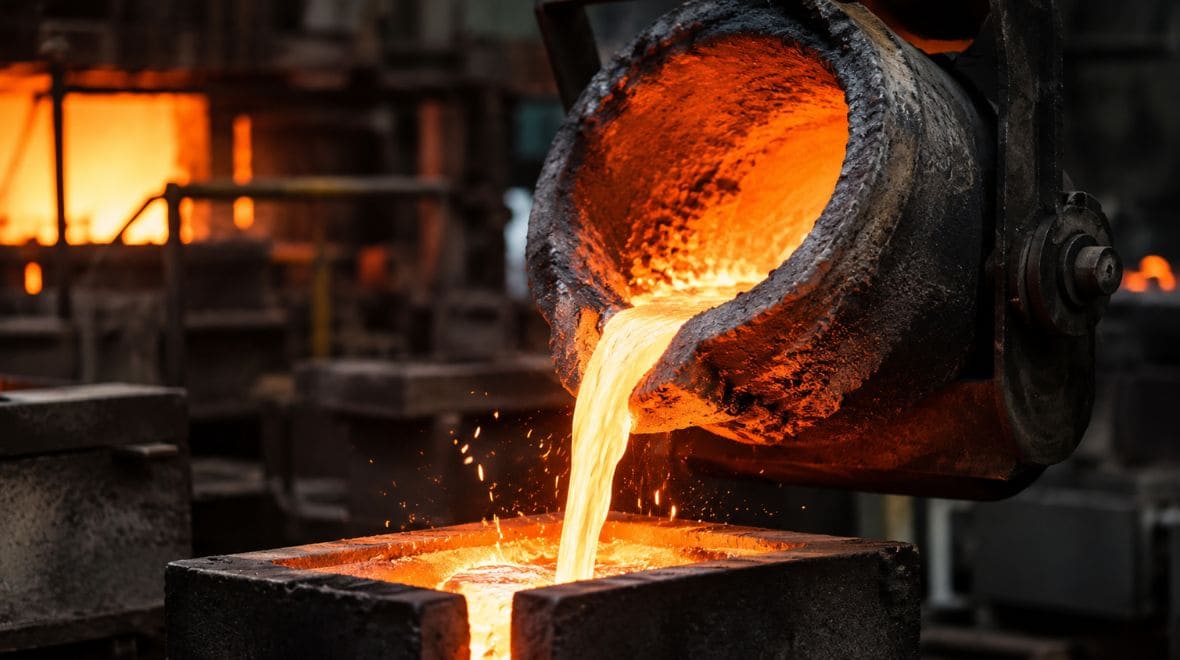
Inconel is the ultimate superalloy for critical parts in jet engines and deep-sea drilling. It is uniquely resistant to extreme heat and stress where other metals would fail.
We’ll explore exactly what the melting point of Inconel means, why it’s a range of temperatures, and how its superior chemistry allows it to operate in the toughest environments imaginable.
Understanding the Melting Range
When you hear people talk about the melting point of a metal, they often give a single temperature. This works fine for pure metals, but Inconel is an alloy—a mix of several elements like nickel, chromium, iron, and molybdenum. Because of this complex blend, Inconel doesn’t change from a solid to a liquid at a single point; it changes over a range of temperatures.
This “melting range” is critical knowledge for everything from casting and forging the raw material to safely welding two parts together. Understanding the two boundary temperatures tells us exactly how much margin we have to work with.
Solidus: When Melting Starts
The solidus temperature is the highest temperature at which the alloy is still 100% solid. Think of it as the maximum safe operating temperature where we can guarantee the material will not start to weaken or soften due to internal melting.
Below the solidus temperature, the material retains its full crystalline structure and is, for all intents and purposes, a stable, rigid solid. If you take Inconel past its solidus, you begin to enter a mushy state where liquid and solid phases exist together. This is where the material begins to lose mechanical strength rapidly, and its internal structure starts to degrade. For engineers, the solidus point is often the most important limit to watch when designing parts that operate under constant, immense heat.
Liquidus: When Melting Finishes
The liquidus temperature is the lowest temperature at which the alloy is completely and fully liquid. Once the metal reaches this point, there are no remaining solid particles left—it’s molten metal ready for casting.
The difference between the solidus and the liquidus is the melting range. For Inconel, this range is relatively tight, but it’s still an important window. When we weld Inconel, for example, we are operating within this range, ensuring the filler metal and base metal flow together correctly without overheating or causing too large of a heat-affected zone. Understanding this range helps us control the thermal stress during manufacturing processes that involve high heat.
The Key Melting Points for Machining Grades
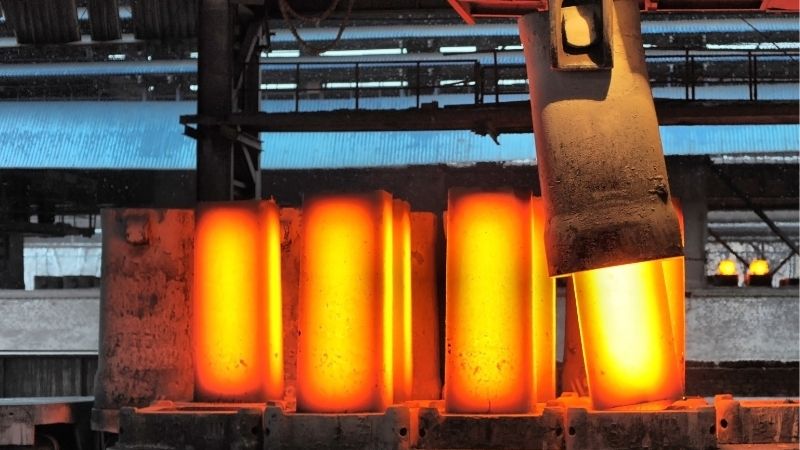
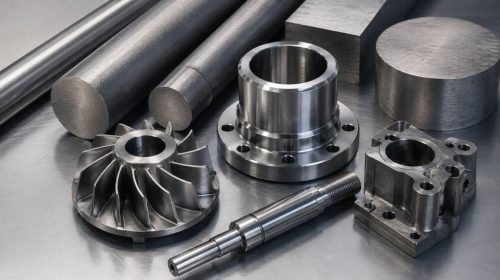
Inconel isn’t just one material; it’s a family of nickel-chromium superalloys, and the exact melting range changes depending on the specific elements added to the mix. The two grades we work with the most, and that dominate the high-performance world, are Inconel 625 and Inconel 718. They are designed for slightly different purposes, and their melting ranges reflect those differences.
Inconel 625
Inconel 625 is the champion when it comes to corrosion resistance, especially in harsh, acidic environments or seawater. It achieves its strength through what we call “solid solution hardening”—essentially, the alloying elements are dissolved uniformly into the nickel-chromium matrix.
Its melting range is slightly higher than 718, which gives it great thermal stability, especially above 700°C (1300°F) when mechanical strength is less critical than corrosion resistance.
- Solidus: Approximately 1290°C (2350°F)
- Liquidus: Approximately 1350°C (2460°F)
When we machine Inconel 625, we know we are working with a material that can take a beating from the elements, but also requires serious attention to heat management during the cutting process.
Inconel 718
Inconel 718 is the workhorse of the aerospace industry. While it has excellent corrosion resistance, its true calling is high mechanical strength and hardness, particularly at elevated temperatures (up to about 700°C or 1300°F).
The key difference here is the presence of elements like titanium and aluminum, which allow the alloy to be age-hardened (also called precipitation hardening). This means a specific heat treatment is used to form tiny, hard particles—what material scientists call the gamma prime phase—throughout the metal structure. These tiny particles act like roadblocks, preventing the material from bending or deforming under massive stress.
- Solidus: Approximately 1260°C (2300°F)
- Liquidus: Approximately 1336°C (2437°F)
Though its melting range is slightly lower than 625, its unique strengthening mechanism gives it unmatched rigidity and strength for critical components like turbine disks and fasteners. When we machine 718, we are dealing with one of the toughest materials on earth, even at room temperature.
Other Grades
While 625 and 718 are the kings, the Inconel family includes many other grades tailored for specific needs. Grades like Inconel 600, 617, and X-750 all have slightly different melting points and properties, generally falling in the range of 1260°C to over 1400°C (2300°F to over 2550°F). This variety proves that the core principle is consistent: Inconel is always designed to live in the extremes.
Why Inconel Has Such High Heat Resistance
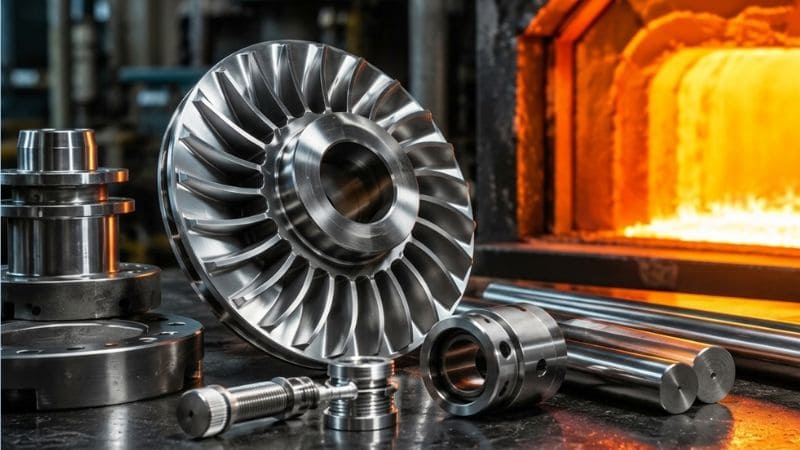
The reason Inconel stands head and shoulders above other metals isn’t magic; it’s just brilliant metallurgy. The high melting point and strength at temperature are a direct result of the atomic structure and the specific elements included in the alloy.
The Power of Nickel and Chromium
Inconel is primarily a nickel-chromium alloy, and these two elements form the backbone of its performance. The high percentage of Nickel (often 50% to over 70%) creates a face-centered cubic (FCC) crystal structure, which is incredibly stable and tough. This structure resists changes even when heated, which helps keep the material from deforming.
The Chromium (Cr) content (typically over 20%) is the reason for Inconel’s legendary corrosion resistance. When heated, the chromium forms a very thin, tough, and protective oxide layer on the surface of the metal. This layer prevents further oxidation or chemical attack, allowing the alloy to survive for years in hot, corrosive environments.
Niobium and Molybdenum’s Role
This is where things get really clever. Inconel 625 uses high levels of molybdenum (Mo) and niobium (Nb) for its strength. These large metal atoms dissolve into the nickel-chromium structure, essentially jamming the atomic lattice. This is the solid solution hardening I mentioned earlier. By jamming the structure, it becomes incredibly difficult for the metal to bend or deform when under stress, even when the temperature climbs.
The Age-Hardening Mechanism (718)
For Inconel 718, the mix includes Aluminum (Al) and Titanium (Ti) alongside Niobium. When we perform a specific heat treatment, these elements combine to form those tiny, powerful precipitates (the gamma prime and gamma double prime phases).
Imagine the metal’s atomic structure is a neighborhood. These tiny precipitates are like concrete pillars poured right in the middle of all the roads, preventing any movement. This mechanism is so effective that 718 remains exceptionally strong and rigid up to about 700°C (1300°F), even though its base melting range is slightly lower than 625. This exceptional rigidity is why it is the go-to material for parts spinning at tens of thousands of RPMs inside a hot jet engine.
Machining Inconel: The High-Heat Challenge
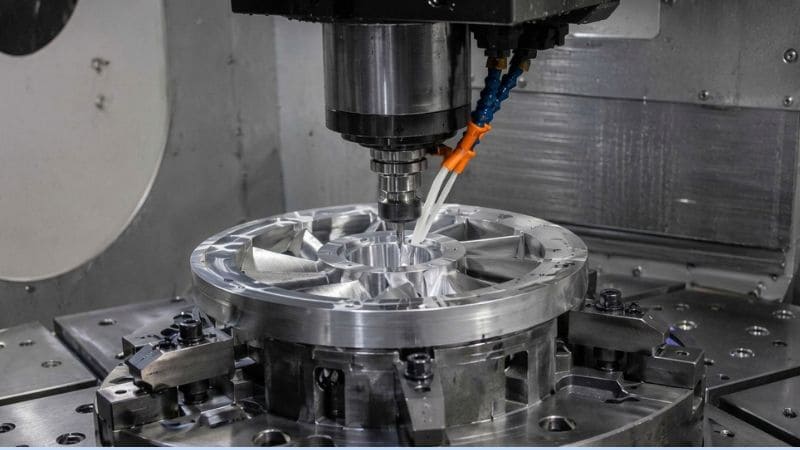
For us as precision machinists, the high melting point and incredible strength of Inconel are a double-edged sword. While we admire the material’s ability to resist heat, that same resistance makes the process of cutting it a true engineering challenge. Everything we do in the shop must be optimized specifically for this material, otherwise, we end up destroying tools and wasting precious material.
Problem 1: Poor Heat Transfer
The biggest issue with machining Inconel is its low thermal conductivity. In simple terms, Inconel does not let heat pass through it easily.
When we cut any metal, friction and stress create a lot of heat—often reaching temperatures well over 1000°C right at the cutting edge. With steel or aluminum, most of that heat quickly transfers into the chip (the waste material) and into the bulk of the part. With Inconel, that heat has nowhere to go. It concentrates right at the point where the tool meets the part.
This localized, extreme heat concentration is what melts the binder materials in carbide tools, essentially burning up the cutting edge instantly. We are literally fighting the same heat resistance in the cutting process that the final component is designed to withstand in its application.
Problem 2: Rapid Tool Wear
As a direct result of the concentrated heat, tool life when cutting Inconel is drastically shorter than with standard materials. We can’t use conventional high-speed steel (HSS) tools; they would melt almost immediately. We must rely on specialized, expensive carbide tools, and even those wear out quickly.
The wear happens in several ways: the heat causes the tip to crumble (flank wear), the extreme pressure causes tiny pieces of the tool to chip away (chipping), and sometimes the high temperatures cause the chip material to fuse to the tool face (build-up edge). Managing tool changes and compensating for this wear is a massive part of the job. It’s why machining Inconel is often two to three times slower and more expensive than machining stainless steel.
Problem 3: Work Hardening
Another key challenge is work hardening, especially with Inconel 718. Work hardening means the material gets harder as you deform it. When the cutting tool passes over the material, it creates a layer of intensely compressed, extremely hard material right beneath the cut.
If the next pass of the tool is too shallow or if the feed rate (how fast the tool moves into the material) is too slow, the tool won’t be cutting virgin, softer material; it will be trying to cut the newly formed, super-hard layer. This creates a terrible cycle: the tool struggles, creating more heat, which generates more work hardening, which destroys the tool even faster.
The Solution: Specialized Machining
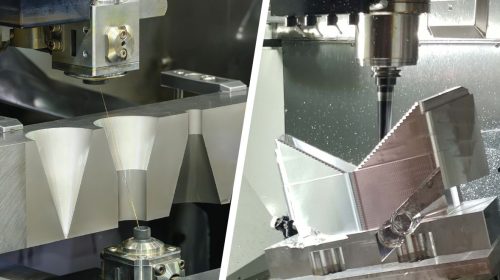
To fight these issues, we have to use a completely different strategy than with other metals. Our approach is the core of our expertise:
- Rigidity and Power: The machine, the fixturing, and the tool must be absolutely rock-solid to withstand the tremendous cutting forces.
- Aggressive Feeds, Slow Speeds: This sounds counter-intuitive, but to beat work hardening, we must use a relatively slow spindle speed to manage heat buildup in the tool, but an aggressive feed rate (high chip load). This ensures the tool is always taking a thick, clean bite under the work-hardened layer, shearing off the material quickly before it can turn into a problem.
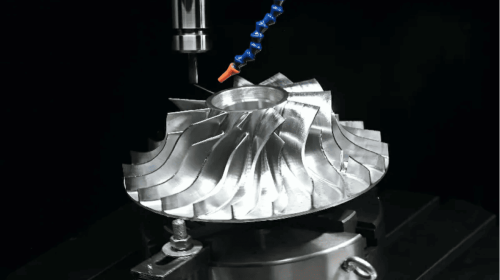
- High-Pressure Coolant: We don’t just use coolant; we use high-pressure, high-volume coolant delivered precisely to the cutting interface. This floods the zone, pulling the heat out of the chip and lubricating the tool. We’re literally fighting fire with a firehose.
How the Melting Point Affects Real-World Use
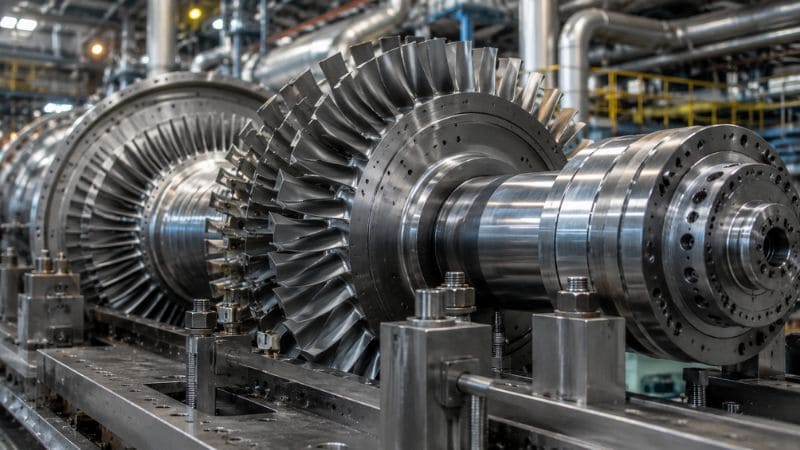
The high melting point ensures that Inconel components can withstand the incredible temperatures generated by high-performance systems:
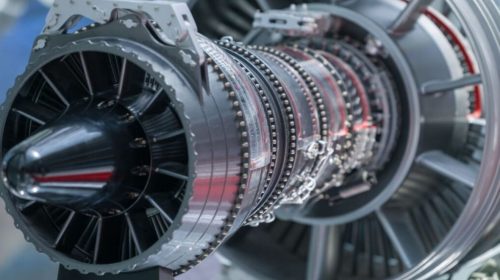
Aerospace & Gas Turbines: The blades and discs inside a jet engine operate at temperatures that would instantly melt steel. Inconel’s solidus temperature ensures that these parts maintain their mechanical integrity, preventing catastrophic failure in flight.
Oil & Gas (Downhole Tools): As drilling goes deeper, the earth’s temperature and pressure climb dramatically. Inconel tools resist both the heat and the corrosive chemicals (like sour gas) found thousands of feet underground, guaranteeing reliability.
Nuclear Power Generation: Components exposed to superheated steam, pressurized water, and various chemicals must not fail. Inconel’s stability ensures the long-term safety and operational efficiency of the reactor core and surrounding systems.
Resisting Creep and Fatigue
The resistance to heat is also directly tied to the material’s resistance to creep and thermal fatigue.
Creep: This is the slow, permanent deformation of a material under continuous stress at high temperatures. Because Inconel’s atomic structure is so stable near its melting point, it resists creep far better than traditional alloys, meaning turbine blades keep their shape over years of use.
Thermal Fatigue: When a component rapidly heats up and cools down (like a rocket engine part during ignition and shutdown), the expansion and contraction can cause micro-cracks. Inconel’s stability minimizes this thermal stress, leading to a much longer service life.
Conclusion
The high melting point is what separates Inconel from standard alloys, enabling peak performance in extreme temperatures. This material’s stability, born from a nickel-chromium base, is why it is trusted in the world’s most critical applications.
At AeroCNCParts, we specialize in overcoming the complexity of machining superalloys like Inconel. Contact us today to leverage our expertise and bring your most demanding, high-heat component designs to life.

Robert
Robert specializes in the mechanical properties and thermal resistance of aerospace metals and high-performance plastics. He has extensive experience with flight-grade materials, including Aluminum 7075, Titanium (Ti-6Al-4V), Inconel, and PEEK. He optimizes machining strategies for difficult-to-process materials to ensure structural integrity under extreme conditions.