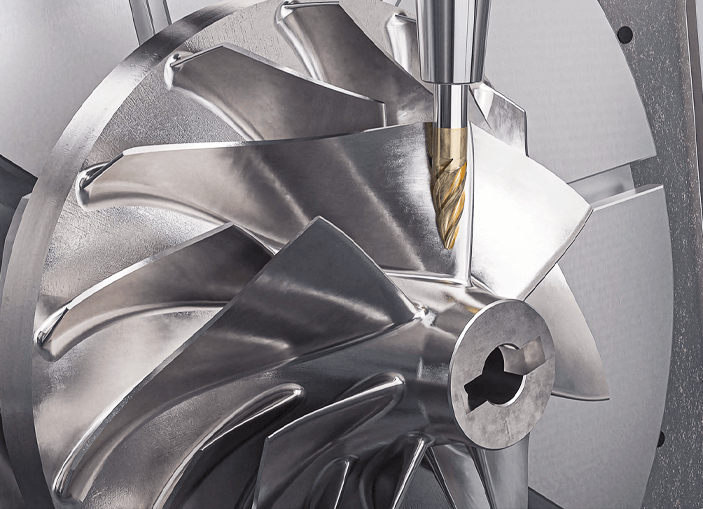
5-Axis Aerospace Machining for Complex Precision Parts

5-axis aerospace machining lets us cut angled holes, side faces and pockets in one setup, with one datum scheme. We use it on multi-face brackets, fittings, avionics housings and mounting components, machined to your drawing.
Explore Capabilities
5-axis machining

What 5-axis aerospace machining covers

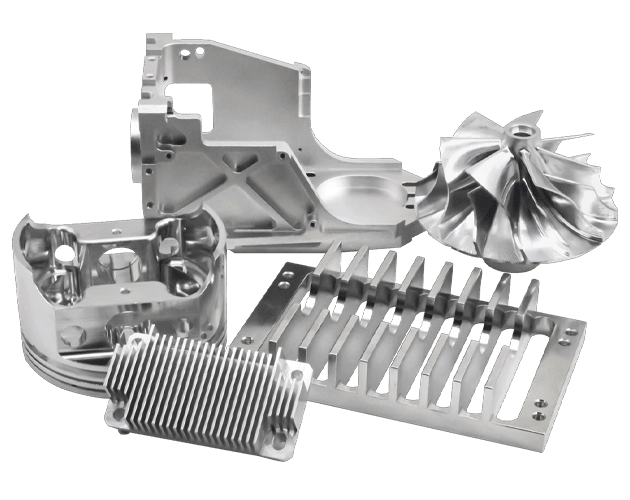
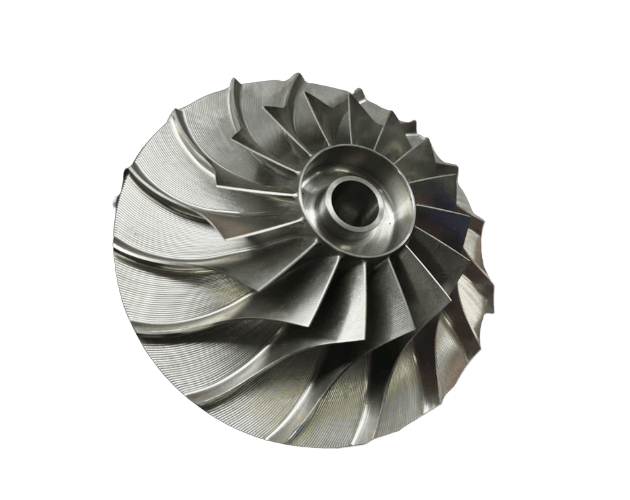
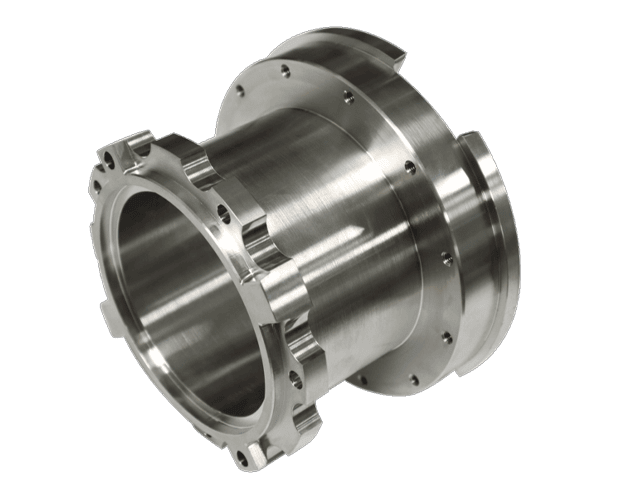
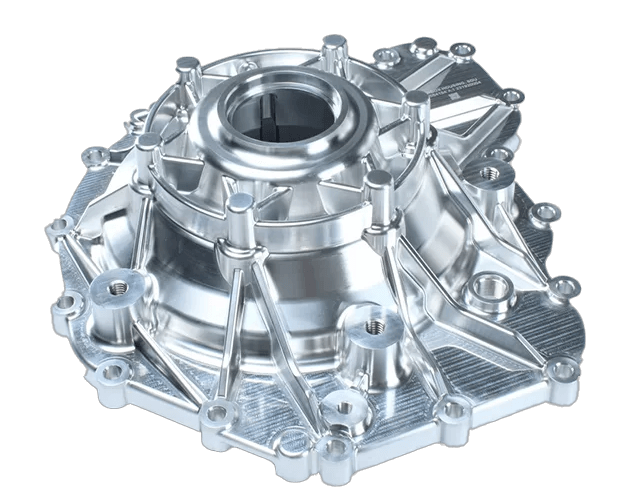
5-axis aerospace machining adds two rotary axes to the X, Y and Z linear axes, so the cutter reaches five faces, or follows a contoured surface, in a single setup. AeroCNCParts, a machining division of DEK, uses it on non-engine parts whose features sit on several faces. Each part keeps one program, fixture and inspection plan from first article to repeat batches. Read why 5-axis matters in aerospace manufacturing.

  • GD&T read to ASME Y14.5
  • CMM programs built from the drawing’s datums
  • AS9102-style FAI report on request
  • ISO 9001-certified quality system
Why 5-axis

Why 5-axis suits multi-face parts

  • One setup

    Angled holes, side faces and pockets cut in one clamping: no datum is transferred from one fixture to the next.

  • Shorter tools

    Tilting the part or spindle reaches deep pockets with a stiffer tool: better wall control and pocket floor finish.

  • Fewer fixtures

    The process that produced the approved first article runs on every repeat batch, so results stay consistent.

  • Less scrap

    Each setup removed on a titanium or aluminum plate part is one less chance to mis-locate expensive stock.

Capabilities

Inspection and documents

Inspection follows the datum scheme of your drawing.

Request a Quote

GD&T

Read to ASME Y14.5: true position, surface profile, datum relationships

CMM

Programs from the drawing's datums; 2.5D vision for small features

First article

AS9102-style FAI report on request

Repeat batches

Dimensional reports on request

Material

Certificates and heat / lot traceability on request

CoC

Certificate of Conformance on request

Quality system

ISO 9001-certified

Tolerances

Confirmed feature by feature at quote stage from geometry, material, walls

Applications

Aerospace parts we machine on 5-axis

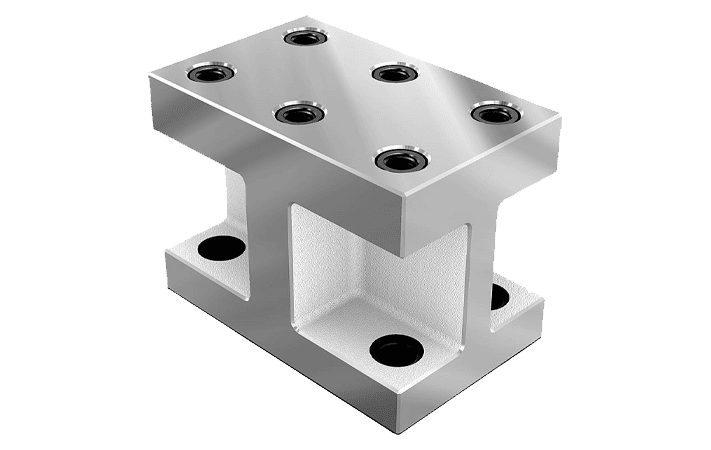
  • Structural brackets, fittings

    Brackets with faces at compound angles, attach fittings and hinge blocks: see our structural brackets.

  • Mounting components

    Mount blocks, sensor mounts, connector holders: bolt pattern, locating bore and reference face per GD&T.

  • Avionics housings

    Thin-wall avionics housings with EMI flanges and side cut-outs, cut in the same setup as the pocket.

  • Cabin interior hardware

    Tray table hinges, cabin partition fittings and decorative bezels with blended cosmetic surfaces.

  • UAV and eVTOL structures

    Lightweight brackets, frames and pocketed panels for UAV and eVTOL programs in stable production.

Materials

Materials we machine on 5-axis

See Full Product Gallery
  • Aluminum

    7075-T7351, 7050-T7451, 6061-T6 for structures, brackets, avionics housings; sequenced roughing limits thin-wall distortion.

  • Titanium

    Ti-6Al-4V for high-strength, lightweight brackets and fittings; rigid setup, short tools, high-pressure coolant.

  • Stainless steel

    17-4PH and 15-5PH for high-strength, corrosion-resistant mechanical parts, machined in the heat-treat condition on the drawing.

  • Inconel

    Inconel 718 (AMS 5662) and 625 for brackets and fittings exposed to heat; low cutting speeds control work hardening.

  • Engineering plastics

    PEEK and Ultem (PEI) for insulating and low-load functional parts; sharp tools and light clamping avoid distortion.

Choosing a mode

3+2, simultaneous or 3-axis?

3+2 suits angled holes and multi-face prismatic parts; simultaneous 5-axis cuts contoured surfaces. Single-face parts cost less on 3-axis CNC milling; mixed operations go to complex multi-process machining.

Request a Quote
FAQs

5-axis machining FAQs

Answers on 5-axis modes, scope, tolerances, cost and the files we need for aerospace parts.

What is 5-axis machining used for in aerospace?
Parts with features on several faces or on contoured surfaces: structural brackets, fittings, mounting components and avionics housings, machined in one setup.
What is the difference between 3+2 and simultaneous 5-axis?
3+2 locks the rotary axes at an angle and cuts with the three linear axes. Simultaneous 5-axis moves all five axes together to cut continuous contoured surfaces.
Do you machine engine parts on 5-axis?
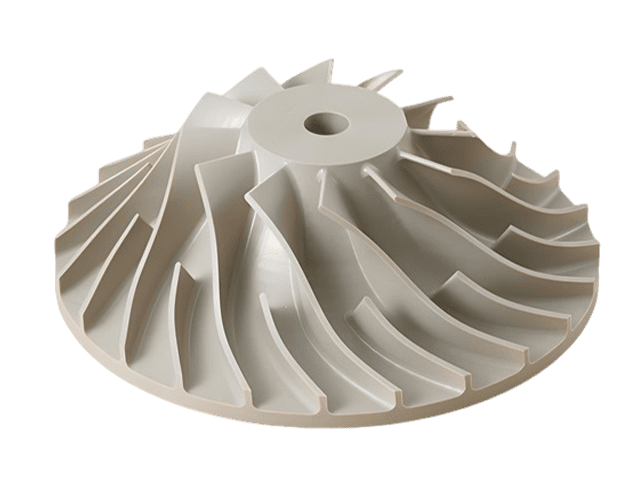
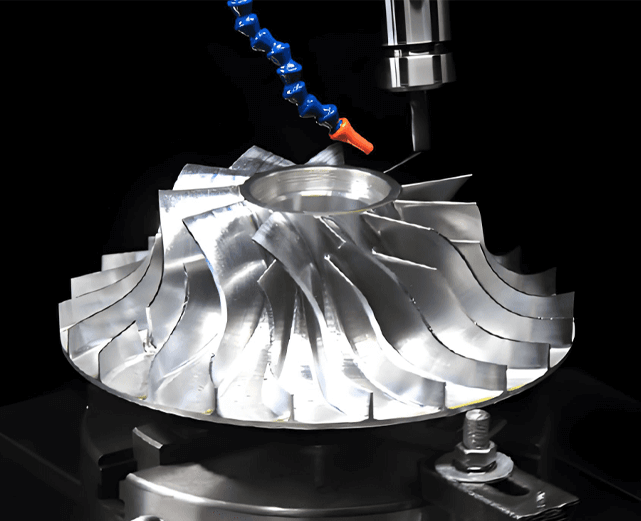
No. 5-axis impeller machining and other rotating engine parts are outside our core business. Our 5-axis work covers non-engine multi-face parts: structures, brackets, fittings, avionics housings and cabin hardware.
What tolerances can you hold on 5-axis parts?
Typically ±0.01 mm to ±0.005 mm, depending on geometry and material. Achievable tolerance is confirmed feature by feature at the quote stage.
Is 5-axis more expensive than 3-axis?
The hourly rate is higher, but on multi-face parts fewer setups and fixtures often lower the total cost and make repeat batches more consistent.
Which file formats do you need?
A 3D model, STEP preferred, plus a 2D drawing with GD&T.

Send your drawing and 3D model for a quote: an engineer reviews it before machining, NDAs are signed on request, and repeat batches follow the same inspection plan.