Density of Inconel: Superalloy’s Weight and Strength
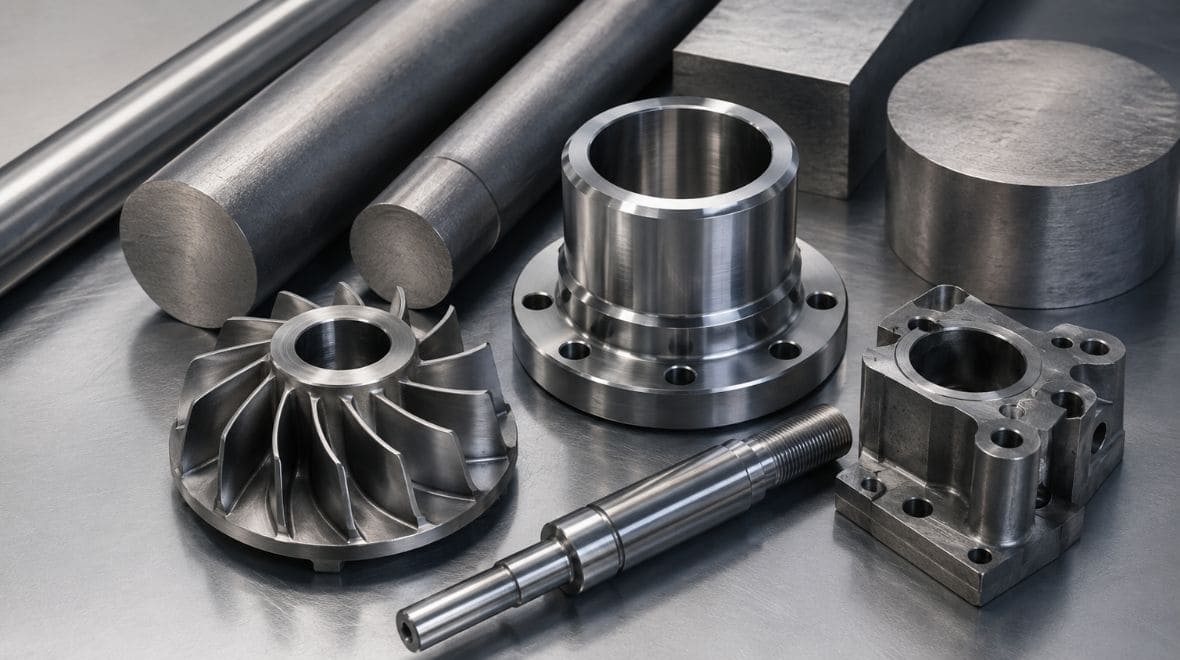
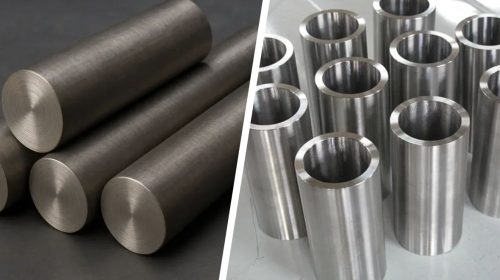
In high-stress manufacturing, Inconel is the ultimate superalloy for jet engines and nuclear components. While most design means going lighter, Inconel’s heavy weight (its density) is actually a huge benefit. Understanding the density of Inconel is key to engineering its amazing high-temperature strength.
This density is why Inconel stays solid at temperatures that would melt regular steel. For us in the shop, this heavy makeup makes the metal extremely hard to cut, leading to our biggest machining challenges.
What is Inconel?
The main ingredient in Inconel is nickel, usually over 50%. Nickel stops the metal from rusting and cracking, especially when exposed to harsh chemicals. It also keeps the metal stable at very high temperatures. The second main element is chromium.
Chromium instantly creates a thin, tough layer of chromium oxide on the surface. This layer acts like a permanent shield, preventing damage from heat and corrosion. These two heavy elements create the dense, tough core of Inconel.
Types of Inconel
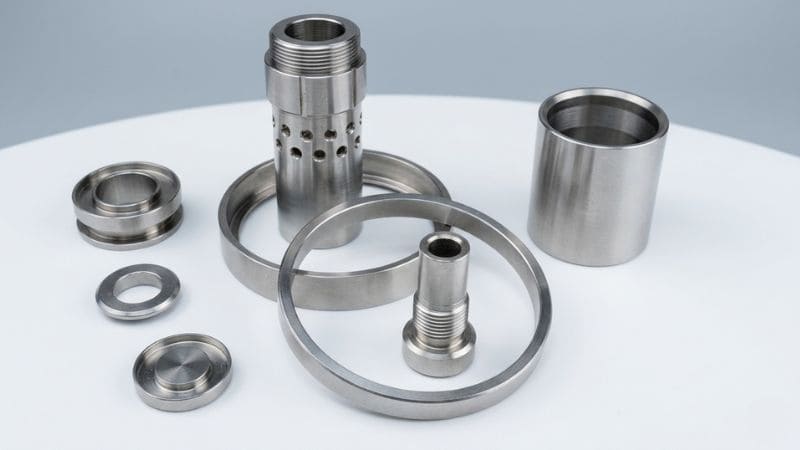
Since every job is different, the Inconel family has specialized types.
Inconel 625
Inconel 625 is the go-to alloy. It has a great mix of high strength and corrosion resistance across a massive temperature range (up to 1800°F or 982°C). We add molybdenum and niobium to this alloy, which makes it incredibly stiff and strong. We use Inconel 625 a lot in chemical plants, ocean equipment, and aerospace piping.
Inconel 718
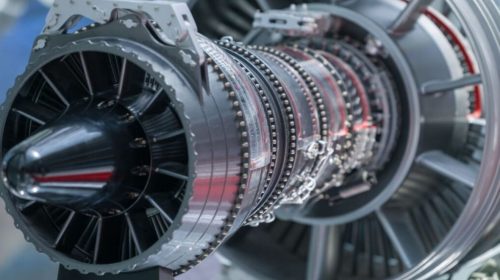
Inconel 718 is probably the most used superalloy, especially for airplanes. We add titanium and aluminum, then heat-treat it to form tiny, strong particles (the “gamma double-prime” phase, written as γ″).
These particles lock the metal’s structure so it won’t slowly stretch or change shape—what we call “creep”—even when it’s very hot and under constant pressure. This makes it essential for jet engine parts like turbine discs.
Inconel 792
Inconel 792 is mainly used for casting turbine blades, not typically for our general CNC work. Its makeup is specialized to fight damage from extreme heat and thermal stress right inside the engine’s combustion zone. Although it has a similar density, its internal structure is designed purely for surviving heat.
Quantifying Inconel’s Density
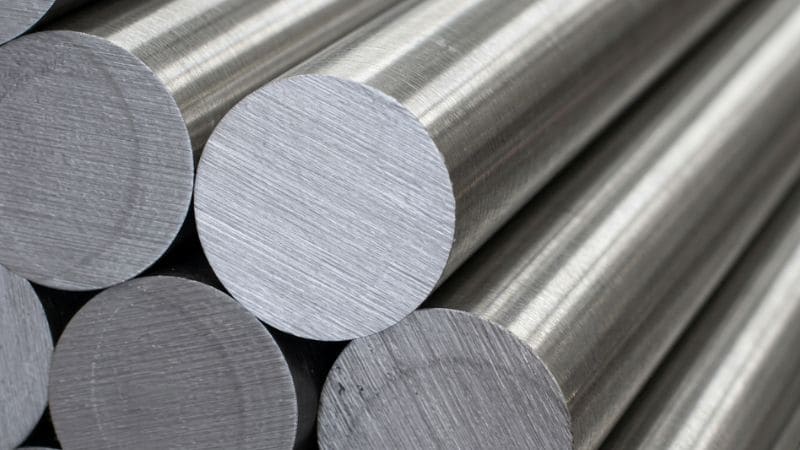
Density is simply how much material is packed into a certain space. For Inconel, it’s packed very tightly. Knowing these exact numbers helps engineers calculate loads and helps us plan the forces we need to machine it.
Most Inconel alloys weigh between 8.2 g/cm³ and 8.5 g/cm³. If you are using Imperial measurements, that’s about 0.30 lb/in³. These are high numbers, which puts Inconel in the group of the heaviest structural metals we machine.
Density of Inconel 625
Inconel 625, because it has those extra heavy elements like molybdenum, is at the top end of the weight scale. Its density is 8.44 g/cm³, or 0.305 lb/in³. This extra mass helps make the finished part very stable and rigid, which is great for ocean and chemical environments.
Density of Inconel 718
Inconel 718 is a bit less heavy than 625, with a density of about 8.22 g/cm³, or 0.297 lb/in³. This small weight difference matters a lot in the aerospace industry, where engineers count every gram. They pick 718 when its strength meets the need, saving a tiny bit of weight over 625.
Comparison with Steel: How much denser is Inconel than typical stainless steel?
When you compare Inconel to a common metal like 316 stainless steel, they are surprisingly close in weight. 316 stainless steel is about 8.0 g/cm³. Inconel is only about 5% heavier than standard steel.
Inconel 625 Density (8.44 g/cm³) ≈ 1.05 × Stainless Steel 316 Density (8.00 g/cm³)
The real advantage isn’t the raw weight, but how Inconel performs when it gets hot. Steel quickly loses strength above 1000°F (538°C), but Inconel stays strong much higher up the temperature scale.
Comparison with Aluminum
Comparing Inconel to aerospace aluminum shows the big trade-off. A typical aluminum alloy, 7075, is about 2.81 g/cm³. This means Inconel is almost three times heavier than aluminum.
Inconel 718 Density (8.22 g/cm³) ≈ 2.92 × Aluminum 7075 Density (2.81 g/cm³)
We only use Inconel when aluminum would instantly fail in the operating environment. If a part must be Inconel, the density is simply a necessary burden to ensure the component survives.
The Impact of Density on Machining
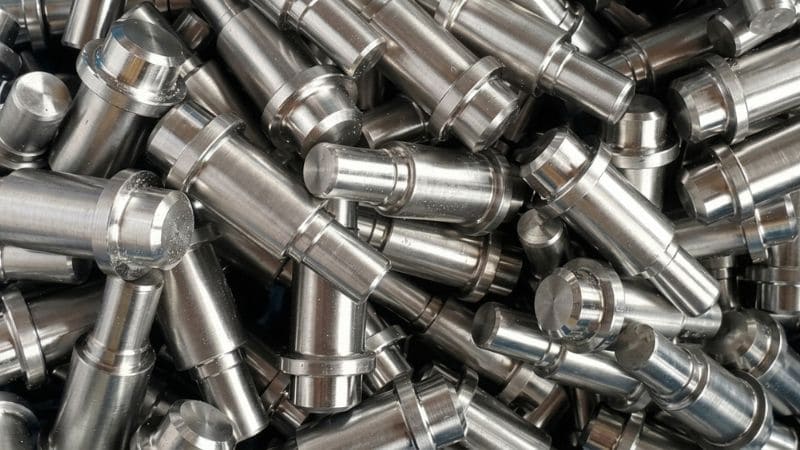
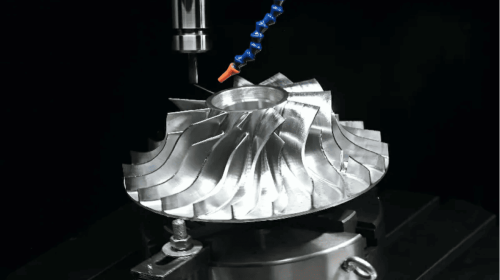
In the shop, Inconel’s heavy weight and dense structure create big problems. Cutting it requires special machines, tools, and smart programming.
Machine Rigidity Requirements
When cutting dense Inconel, we have to run our machines slowly but push the cutter hard to break the metal. This creates huge forces on the machine itself. If the machine is too light, the heavy cutting will cause shaking, or “chatter.”
Chatter quickly ruins the tool and the part’s surface. That’s why we use heavy, solid, cast-iron machines that can soak up these vibrations, keeping the cutting steady.
Clamping Forces
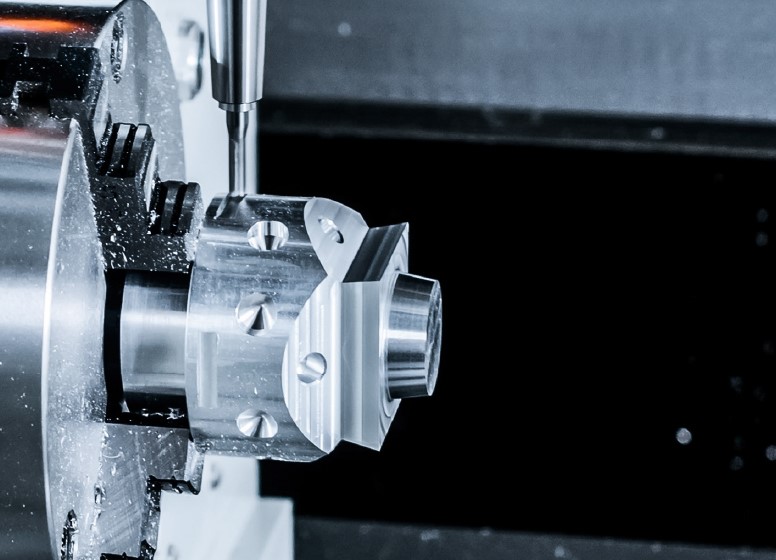
A big, dense piece of Inconel has a lot of momentum. When the cutter hits it, the mass of the metal resists the force, creating huge reaction forces. The part must be clamped extremely tight, otherwise, it will shift, leading to errors or complete failure.
We need special, extra-strong fixtures and clamps—often much stronger than what we use for steel—to hold the heavy material steady.
Density vs. Hardness
Inconel is difficult to cut, not just because of its weight, but because of how its dense internal structure resists the cutter.
The tight atomic packing of nickel and chromium makes Inconel exceptionally tough. When a cutting tool tries to slice through it, the alloy fights back strongly against being cut. This resistance creates extreme heat right at the tip of the tool, causing the tool material to soften and break down quickly.
To fight this, we use super-hard tools, like ceramics or special carbide inserts.
Work Hardening Effect
The biggest problem with Inconel is that it gets much harder as you cut it. We call this work hardening. When the tool scrapes the surface, it makes the metal underneath stronger and tougher. If our next cut is too shallow or our tool is worn, it ends up trying to cut this newly hardened metal. The part essentially “gets stronger” as we try to shape it.
To prevent this, our CNC program must use slow speeds and deep, heavy cuts. This ensures the tool always cuts under the hardened layer into the softer metal beneath.
Thermal Management:
Unlike aluminum, which spreads heat easily, Inconel is very poor at moving heat away from the cut. Because it’s so dense, it traps all the heat generated by the cutting process—which can be over 2000°F (1093°C)—right at the tip of the tool.
This intense, trapped heat means the cutting edge is constantly near melting. This is the main reason tools fail so quickly. To solve this, we use high-pressure coolant (HPC) systems, often blasting coolant at over 1000 psi directly through the tool. Our main goal is to physically blast the superheated chips away from the cutting zone quickly, before the heat can destroy the tool.
Density and Design Performance
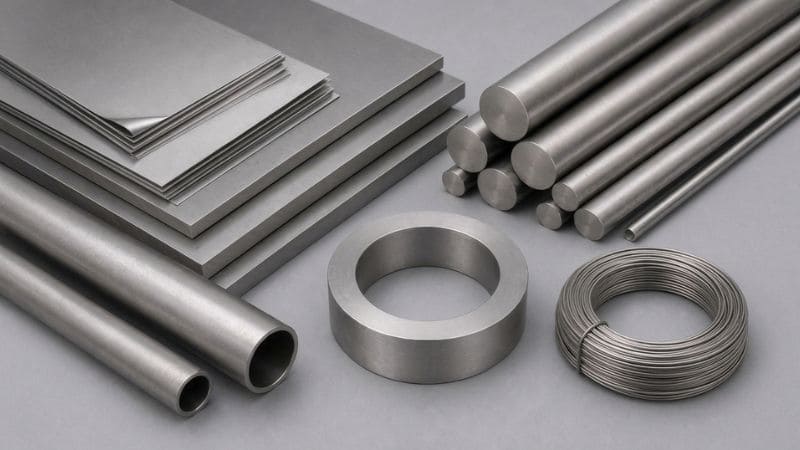
While Inconel’s density makes our life hard on the shop floor, it is a huge benefit to the engineers. The weight of the material is often exactly what the final product needs.
Structural Integrity
Parts that spin very fast, like turbine discs in jet engines, are under massive stress. Density helps them stay stable. A heavier, denser part resists movement and helps to soak up vibrations. This natural mass keeps the spinning part steady, reducing stress and improving the system’s overall reliability. This is especially important for controlling vibrations at high speeds.
High-Pressure Applications
In places that handle extreme pressure, like the cooling systems of nuclear reactors or deep-sea piping (pressures can reach 10,000 psi), the metal must hold up without failing for years. Inconel’s high density makes it very resistant to changing its shape under pressure. This dense, unyielding structure provides the mass and wall thickness required to safely contain extreme pressure.
Thermal Protection
Besides having a high melting point, Inconel’s weight helps it manage heat. When placed next to a heat source, like a rocket engine, the sheer mass of the material acts like a “heat sponge” or buffer. It takes a huge amount of heat energy to raise the temperature of a dense, heavy material. This natural delay in heat transfer protects downstream parts, giving cooling systems time to work.
Conclusion
In summary, Inconel’s density is the essential feature that allows it to survive extreme heat, pressure, and corrosion where lighter metals instantly fail. It is a tough opponent on the CNC floor, requiring heavy machinery and expert cooling.
If you are planning challenging, high-reliability components for aerospace, energy, or deep-sea projects, contact AeroCNCParts. We have the expertise to machine your Inconel parts to the highest precision, maximizing the performance this superalloy is meant to deliver.

Robert
Robert specializes in the mechanical properties and thermal resistance of aerospace metals and high-performance plastics. He has extensive experience with flight-grade materials, including Aluminum 7075, Titanium (Ti-6Al-4V), Inconel, and PEEK. He optimizes machining strategies for difficult-to-process materials to ensure structural integrity under extreme conditions.