12 Benefits of Waterjet Cutting for the Aerospace Industry
The benefits of waterjet cutting for the aerospace industry help you get precise, clean parts without heat damage. You can cut titanium, composites, or plastics without changing their properties while keeping their strength. Smooth edges remove the need for extra finishing.
Use this method for both simple and complex designs. It works well for custom parts, testing, or small batches. If you want accurate cuts, less waste, and no distortion, waterjet cutting gives you a reliable, efficient solution.
What is Waterjet Cutting?
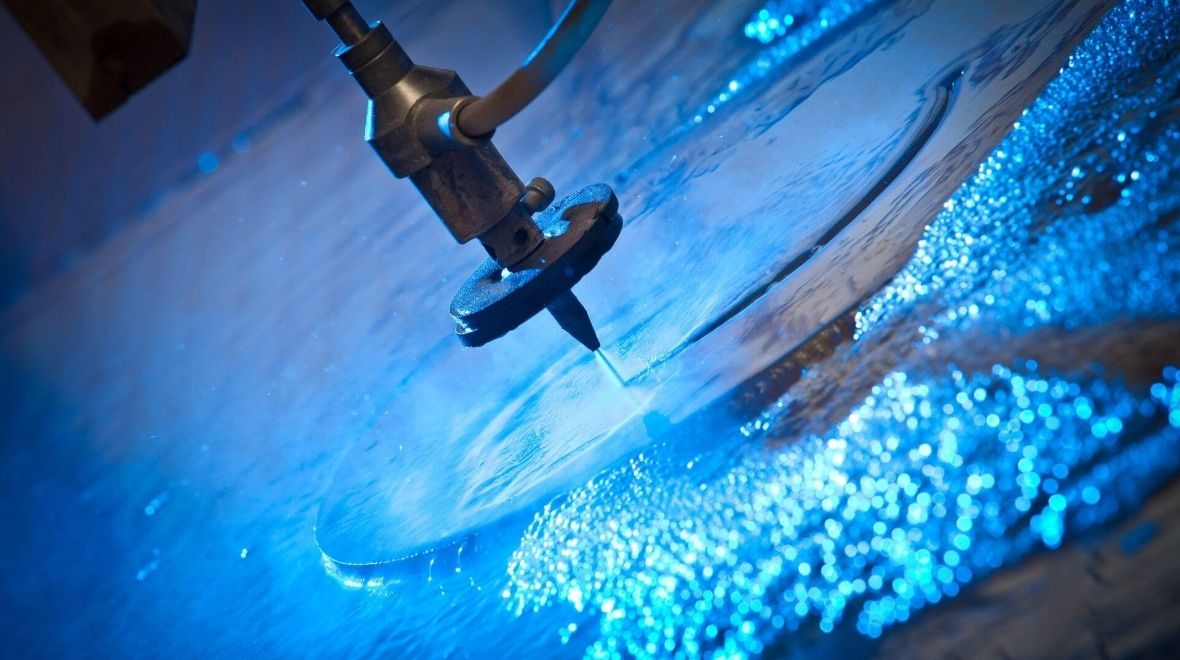
Waterjet cutting is a non-traditional machining process that uses a high-pressure stream of water to shape or cut materials. The water travels at incredible speed, applying enough force to wear away material along a set path. The jet is very thin, usually between 0.075 and 0.4 mm in width, allowing very detailed cuts.
This process can handle metals, rubber, plastics, and polymers up to 12 inches thick. Other harder materials require you to mix the water with abrasives like sand or garnet. Since it does not produce heat, it won’t affect the material’s properties.
How Does the Aerospace Industry Use Waterjet Cutting Technology?
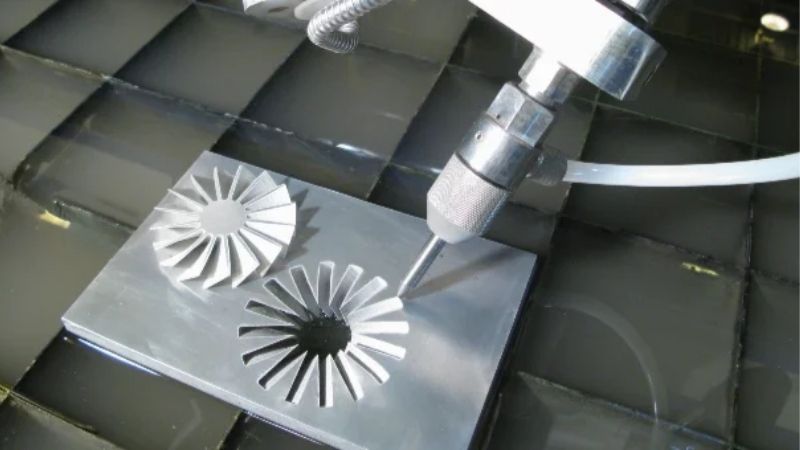
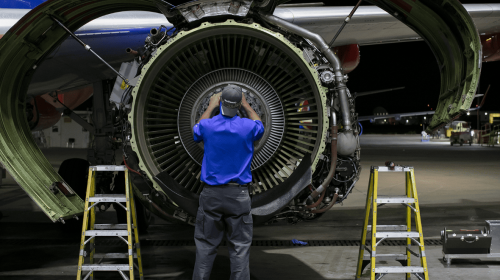
In the aerospace industry, you can use waterjet cutting to make both small, detailed parts and larger structural components. This method is powerful enough to cut through thick metal blocks, up to 18 inches, while still being strong and accurate. Allowing you to handle a wide range of parts, from brackets and panels to engine housings and landing gear parts, all with just one equipment.
For softer components like insulation foam, plastic housings, or rubber gaskets, you can use water-only cutting with just water, no abrasives. For tougher parts like titanium, Inconel, or aluminum, you add abrasive grains to the water. This gives you the cutting power you need without causing heat damage. One of the major benefits of aerospace water jet cutting is its ability to work on different components without changing, affecting their strength, shape, or performance.
Why Choose Waterjet Cutting for the Aerospace Industry?
Waterjet cutting is a reliable way to cut tough aerospace metals and polymers. You get clean, precise cuts without causing thermal distortion, melting, warping, or structural changes. That is why many engineers choose it over laser or plasma cutting.
Here are the key reasons why waterjet cutting works well for aerospace parts:
Cut Various Aerospace Materials
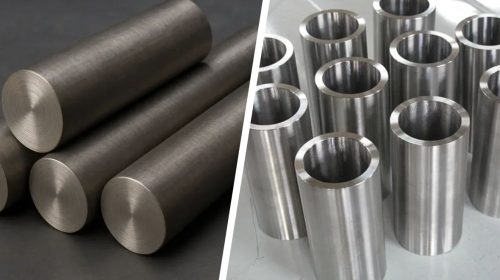
With waterjet cutting, you can work with almost any material used in aerospace. It cuts all common metals in aircraft structures like aluminum, stainless steel, Inconel, and titanium. You can also cut non-metals like rubber, foam, plastics, carbon fiber, and even glass.
This means you can make many parts in one place using one machine, such as body panels, windows, engine gaskets, brackets, and insulation. You do not need to switch machines or tools, very helpful when you need to produce high volumes but want to reduce overall production costs.
High Precision and Repeatability
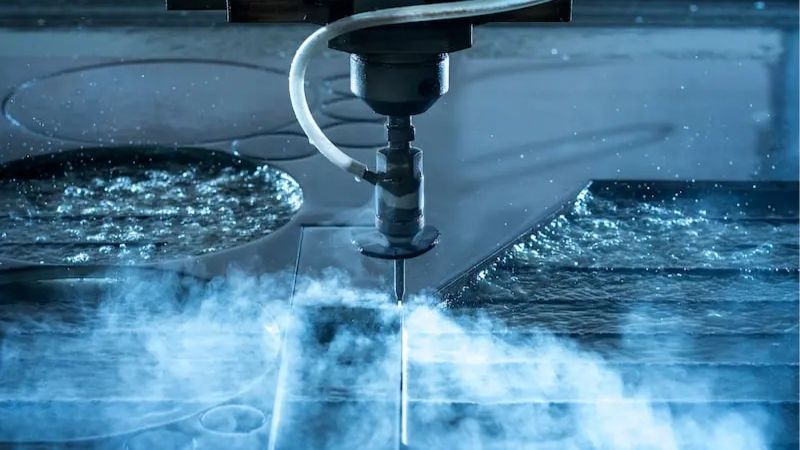
One big reason to use waterjet cutting in aerospace is its high accuracy. You can cut parts with tolerances as tight as ±0.005 mm. This level of precision is important when you are working with critical components like turbine blades, brackets, and structural parts that must fit exactly the way they should.
Modern waterjet machines use CNC control; the machine follows the same cutting path every time. You use the same program, cutting tools, and setup for each part. Making it easier to repeat cuts that are very consistent, with less chance of mistakes. Great for parts that must meet strict aerospace standards. You can rely on it even for complex shapes.
Fine Surface Finish
In aerospace, many parts need a smooth surface for better airflow, safety, and appearance. This method gives you a surface finish as fine as 0.8 µm Ra, reducing the need for extra polishing or grinding.
Since waterjet cutting does not use blades or apply heavy force, it avoids micro-cracks or stress in the material. Also, it does not create heat while cutting. Unlike laser cutting, it won’t burn or melt the surface, which may cause a heat-damaged layer that needs to be removed later.
Cut Complex Surfaces
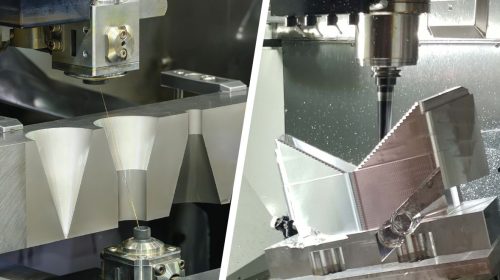
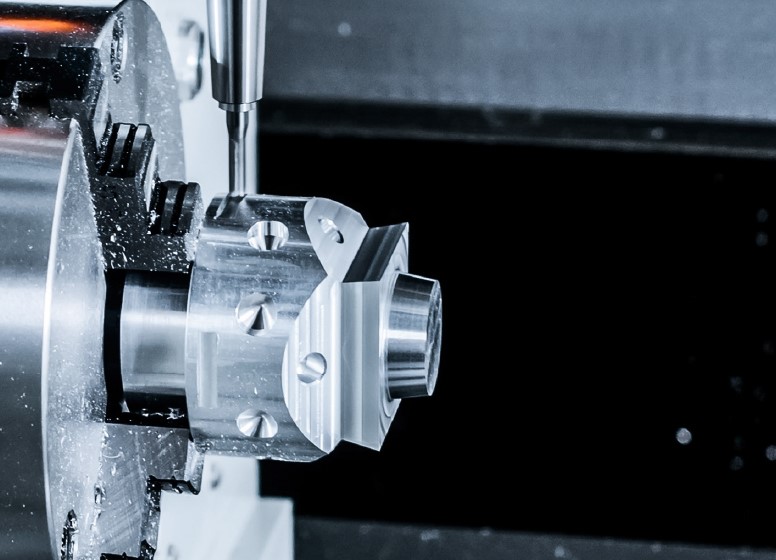
Many aerospace parts have complex shapes like wing supports or curved panels. These tricky designs can be achieved using waterjet cutting. The machine can move in 5 directions, letting you cut angles, curves, tapers, and detailed features with ease.
You can also cut small holes, thin sheets, and narrow sections without damaging the material. Waterjet cutting works well even on delicate parts, perfect for advanced aerospace designs.
Suitable for Small Production Runs
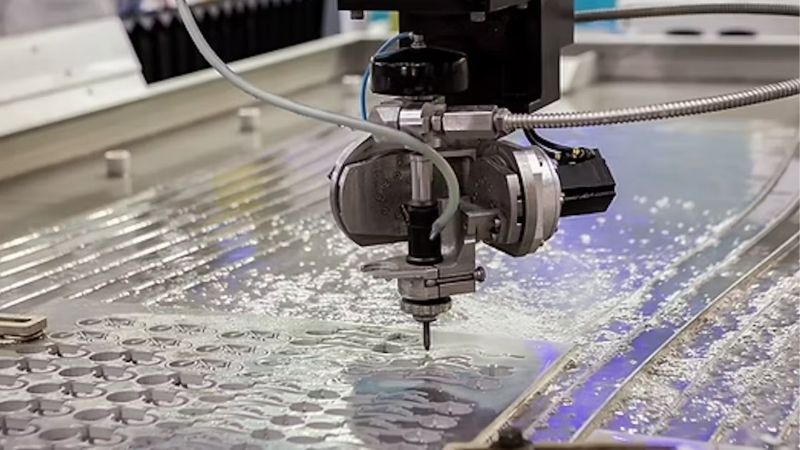
Waterjet cutting is quick, easy to set up, and more affordable compared to other cutting methods. You can use a CNC program to run the same cut again and again without much effort. Making it a great choice for small batch works, test samples, or custom parts.
No Heat-Affected Zones
One of the biggest benefits of waterjet cutting for aerospace is that it does not use heat, unlike laser or plasma cutting, which can melt the material. This process uses cold, high-pressure water, so you do not have to worry about heat-related damage.
The water cools the material as it cuts, helping to keep your parts’ strength and shape. You avoid cracks, hardness changes, and surface damage that could affect performance.
No Abrasive Edges
It gives you clean and smooth edges. The powerful stream of water naturally softens sharp corners, so you do not need extra sanding or finishing.
Other cutting methods can leave rough or jagged edges, which may need more work and pose safety risks. Using a waterjet cutting method, your parts are safer to handle and easier to move or install right away.
Environment Friendly
Waterjet cutting uses water as the main cutting tool, making it a neat and safe process. You can easily filter out abrasive particles from the used water, without releasing anything harmful into the environment.
It also produces very little waste. The machine only cuts the needed shape, and nesting software helps you fit more parts into one sheet, and helps you use each sheet more efficiently. That means lower material costs and better use of resources.
Durable Parts
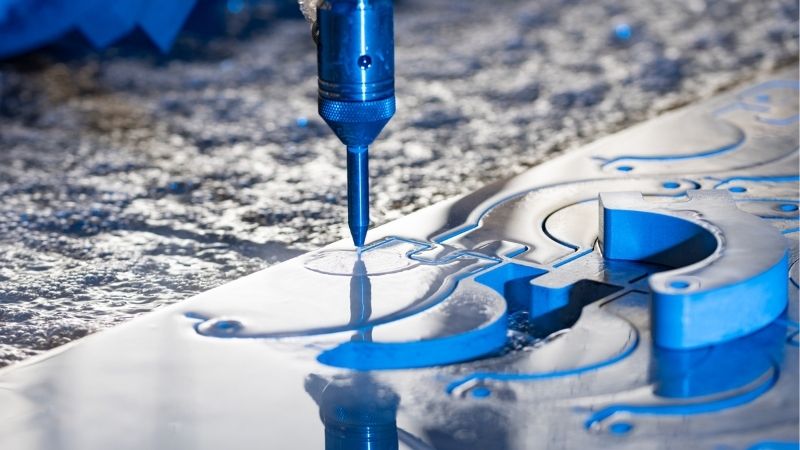
Aerospace parts must handle heavy loads, vibration, and long-term stress. Waterjet cutting helps by not adding heat or stress during cutting. Your parts stay strong and keep their original properties. This leads to better fatigue life, less risk of cracks, reduced failure risks, and more reliable performance in flight.
Scalable Solution
Making aerospace parts of any size is possible with waterjet cutting, whether it is a tiny fastener or a large landing gear strut. This method allows you to do both; you just need to adjust the cutting path and settings to match the part size.
This saves you time and money because you do not need to use different tools or machines for each job. It is also easier to manage production changes. If your design changes or volume increases, you can scale up quickly without retooling.
High Safety
Waterjet cutting is a cold-cutting process; it does not create heat, sparks, or flames. You also do not get any toxic fumes or harmful dust, making your workspace much safer, especially when cutting rubber, plastics, and composites.
Other cutting methods can release gases or particles that affect your health. Waterjet cutting helps you avoid breathing issues, burns, or fire hazards. It is a safer choice for your team and better for the environment.
Minimal Material Waste
This method helps you save expensive materials. It removes only a thin line of material during cutting. The debris goes into the water stream and can be filtered later.
Unlike other methods that turn material into dust or slag, waterjet cutting keeps the waste clean and separate. This is a big advantage when you are working with costly aerospace materials like titanium or carbon fiber.
What are the Main Limitations of Waterjet Cutting?
Waterjet cutting is a great tool, but like any process, it also has downsides. Knowing these helps you plan better and avoid problems in your aerospace projects. When you understand waterjet cutting advantages and disadvantages, you can choose the right method for your parts.
Slower Cutting Speed
Waterjet cutting takes more time compared to laser or plasma cutting, particularly on thick or hard metals like titanium. If you need to cut large quantities quickly, this might slow down your production.
High Machine Cost

Waterjet machines cost a lot to buy and install. The pump, cutting head, and control system are all high-end components. If you are running a small shop or just starting out, the upfront cost can be a challenge.
Ongoing Abrasive Costs
When cutting tough materials, you need to mix abrasives. These abrasives wear out fast and can become one of your biggest operating expenses.
Regular Maintenance
High-pressure parts like nozzles, seals, and tubes wear out and must be replaced often. Skipping maintenance can lead to machine failure, poor cuts, or downtime that delays your project.
Water and Waste Handling
Waterjet cutting uses a lot of water per job. You will need a proper system to collect, filter, and dispose of both the water and used abrasives. This adds setup and running costs, especially if you follow environmental rules.
Not for All Materials
You can not cut every material with a waterjet. Tempered glass can shatter, and reactive metals like magnesium may spark or react dangerously. Always check material compatibility before cutting.
Rougher Finish on Thick Cuts
On very thick materials, the jet can lose power as it goes deeper, causing tapering or rough edges at the bottom. You might need extra finishing work to meet aerospace surface standards.
High Power Use
Waterjet systems run at very high pressures up to 90,000 PSI. This requires powerful pumps that use a lot of electricity. If you are running long jobs, your energy bills can get high.
Common Aerospace Parts Made by Waterjet Cutting
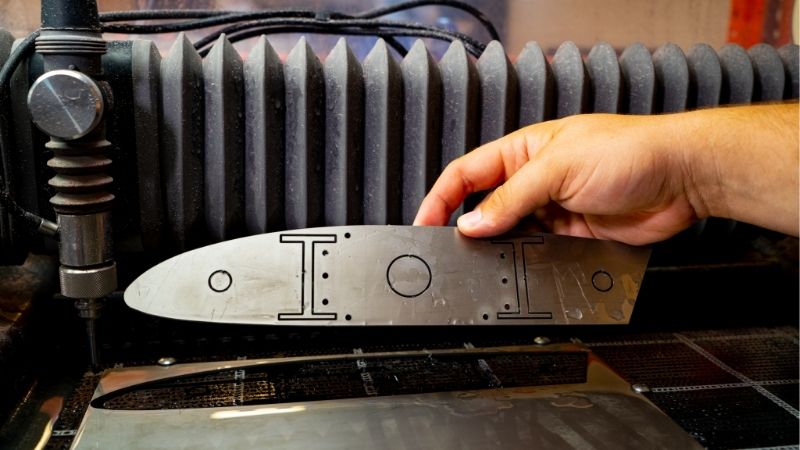
Waterjet cutting is a useful way to make many different aerospace parts. It works on both metal and non-metal materials without causing heat damage, which is important for quality and safety.
Chassis/ Body Panels
You can cut aircraft body panels quickly and accurately using waterjet machines. These panels often have standard shapes, making 2D cutting work well. Waterjet cutting helps you make them at a low cost and with clean edges.
Turbine Blades
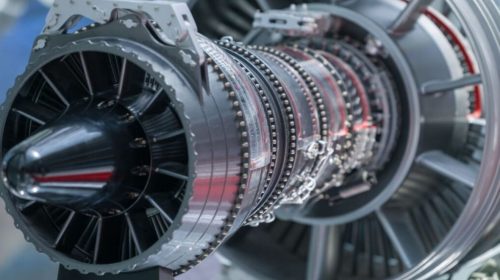
Turbine blades have curved shapes and need tight tolerances to perform well. Waterjet cutting gives you the precision you need without damaging the metal. It also helps improve airflow and efficiency during flight with smooth edges.
Valve Components
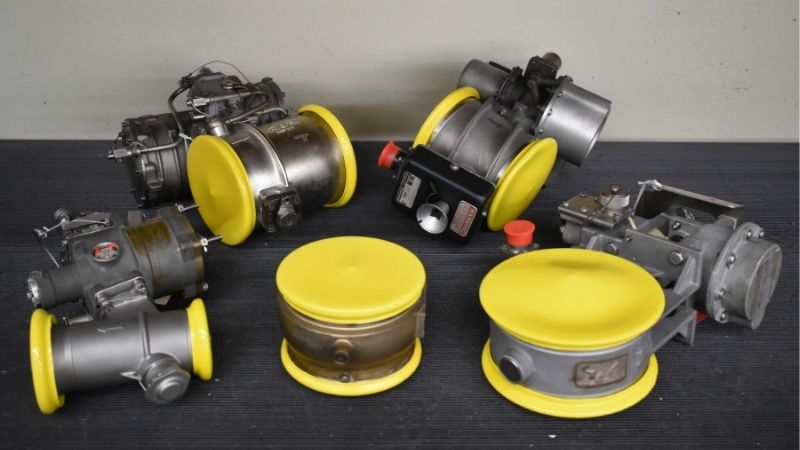
Valves must be accurate and smooth to seal properly. With this method, you avoid rough or jagged edges, to make the valves close tightly and prevent leaks. It is a good method when you need both surface quality and part accuracy.
Polymer Insulators
Plastic and polymer parts like insulators are heat-sensitive. If you cut them with hot tools, they can melt or deform. Making waterjet cutting more applicable because it does not use heat. Your parts can stay in shape and come out with neat and smooth edges.
Certification and Aerospace Compliance
If you work in the aerospace industry, you know quality and traceability are non-negotiable. Standards like AS9100 and ISO 9001 demand full control over every part, from how it is made to how it is documented. You need to prove every step is done right.
Waterjet cutting makes this easier. It gives you accurate cuts you can repeat, saves digital records of each job, and keeps your process consistent. This helps you stay audit-ready, keep certifications, and meet tough aerospace requirements without extra hassle.
AeroCNCParts’ Waterjet Cutting Services for Aerospace Parts
At AeroCNCParts, our waterjet cutting services deliver precise, clean, and cold-cut parts for the aerospace industry. You get accurate results with no heat-affected zones, making it ideal for metals, composites, and polymers. We handle everything from thin panels to thick structural parts using 5-axis cutting and CNC control.
Our team follows strict aerospace standards for quality and traceability. Whether it is for prototyping or small batch runs, we ensure your aerospace components meet tight tolerance and fly-ready performance. Contact us now.
Conclusion
If you want a cutting process that gives you accuracy, safety, and flexibility, waterjet cutting is the best choice. You can cut many aerospace materials without heat damage or waste. It is good for detailed parts, small runs, and even thick metals.
While there are some limits, like slower speed and high setup cost, the long-term benefits outweigh them. With careful planning, waterjet cutting helps you meet quality standards, reduce waste, and produce strong, aerospace-approved components with confidence.

Kim
Kim oversees engineering operations, including complex process planning, DFM reviews, and solving challenges associated with high-precision aerospace parts. He specializes in strict tolerance control and machining complex geometries essential for avionics, turbine components, and structural frames. Outside of work, he enjoys the precision and strategy of playing snooker.