What Are Aircraft Seats Made Of? A Component-by-Component Guide
Last updated: October 7, 2026
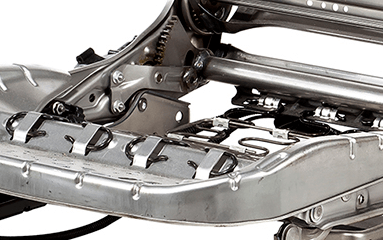
A passenger seat is one of the heaviest cabin items per passenger, and an airliner carries hundreds of them. Every material in it is chosen against four constraints at once: weight, the 16g crash loads of the dynamic seat tests, cabin flammability rules and cost. The result is a layered product: a metal structure, composite or metal pans and backs, flame-rated plastic trim, and cushions with a fire-blocking layer. AeroCNCParts makes the metal part of that structure as machined aircraft seat components, built to the seat manufacturer’s drawing.
What materials are commonly used to make aircraft seats?
| Seat component | Common materials | Why |
|---|---|---|
| Primary structure: legs, spreaders, beams | 7075-T6 / T7351 and 2024-T3 aluminum; Ti-6Al-4V or high-strength steel for some leg and track fittings | Strength for weight under crash loads |
| Seat pan and back | Aluminum, carbon-fiber composite (CFRP), magnesium alloys where approved | Stiffness at low weight |
| Armrests, tray tables, shrouds | PEI, PC/PVC blends, composites | Complex shapes in flammability-qualified grades |
| Cushions | Flame-retardant foam with a fire-blocking layer | Comfort, plus the cushion burn test |
| Dress covers | Wool and leather blends | Wear resistance and flammability |
Only the first rows are machined parts. Cushions, covers and most trim are molded, cut or sewn. For the wider cabin, from sidewalls to window panes, see the materials used across airplane interiors.
Aluminum alloys for seat frames
Aluminum carries most seat structure because it gives the best balance of strength, weight, machinability and cost.
- 7075-T6 / T7351 has the highest static strength of the three, which suits beams, spreaders and leg fittings where section size must stay small. The T7351 temper gives up some strength for better resistance to stress-corrosion cracking.
- 2024-T3 is less strong but more damage tolerant: cracks grow more slowly under cyclic load, so it suits members where fatigue governs. The trade-off is set out in 7075-T6 vs 2024-T3 for fatigue.
- 6061-T6 is weaker again but machines and anodizes cleanly, so it goes into brackets, covers and visible parts.
Titanium and steel in seat structures
Ti-6Al-4V appears where loads concentrate in a small volume: seat-track fittings, recline mechanism joints and high-load attachment points. It is heavier than aluminum per unit volume but stronger, so a titanium fitting can be smaller and, in the right place, lighter overall. It also costs more to buy and machine; more on titanium aerospace parts.
High-strength steels such as 17-4PH stainless take pins, latches and some track fittings, where wear resistance and hardness matter more than weight.
Composites and magnesium: lighter seat structures
Carbon-fiber composites are used for seat backs and pans in lightweight economy and premium seats, where one molded shell replaces several metal parts. They are laid up and cured, not machined from solid, although their metal inserts and attachment fittings often are.
Magnesium alloys such as WE43 are about a third lighter than aluminum. The FAA has accepted some magnesium alloys in seat structure once they pass a dedicated flammability test, and the seat manufacturer must show compliance for its design. The policy has evolved, so check the current FAA guidance before specifying it.
Plastics and trim
Armrest caps, tray tables, shrouds and literature-pocket backs are mostly thermoplastics: PEI, PC/PVC blends and similar grades, molded or thermoformed in flame-rated versions. Machined plastic seat parts are usually small: bushings, spacers and wear pads. Grade selection is compared in FST-rated plastics for cabins.
Certification constraints that drive material choice
- Crash loads. Seats are qualified by the seat manufacturer to the static emergency-landing loads of 14 CFR 25.561 and the dynamic tests of 14 CFR 25.562, including a 16g forward test, run to the methods of SAE AS8049. Ductility matters as much as static strength: a seat must deform without separating from the track.
- Flammability. Interior materials must meet 14 CFR 25.853, mostly through the vertical burn tests of Appendix F, Part I. Seat cushions have their own oil-burner test under 25.853(c).
- Occupant injury. 14 CFR 25.562 also sets injury criteria, such as the head injury criterion (HIC), which shape seat-back and armrest stiffness.
These are the seat manufacturer’s qualification tests. A machining supplier contributes the right grade, made exactly to the approved drawing, with certificates and traceability.
Machining seat components to a qualified design? Send your drawing.
How seat components are machined
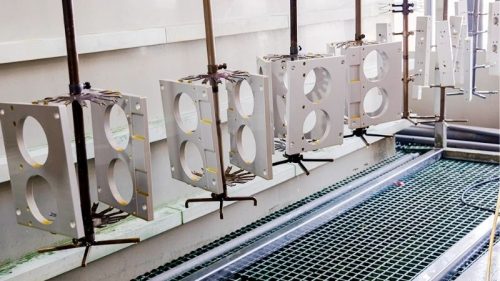
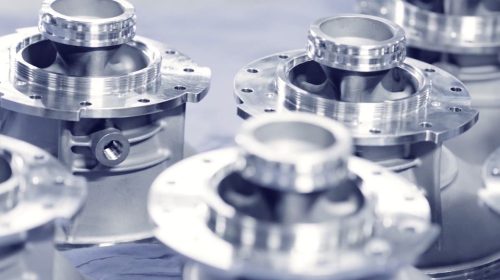
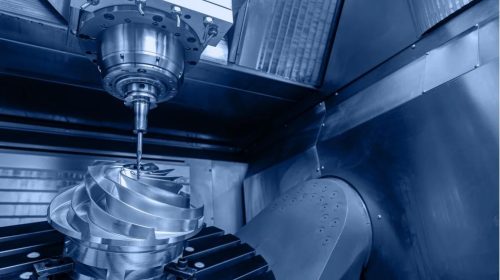
Seat beams and fittings start as aluminum plate or bar and are pocketed down to thin webs to save weight. Stress-relieved stock, balanced roughing and light finishing passes keep those webs flat; 5-axis machining puts angled faces and pivot bores in one setup, on one datum scheme. Parts are then anodized or chem-filmed per the drawing, and each batch is traced to its material lot. Seat parts sit alongside the other aircraft interior components we machine: hinges, bin brackets and partition fittings.
Request a quote for seat components
Upload your drawing and 3D model, with the material spec, finish, quantity and required documentation (material certs, FAI, CoC). NDA available on request.
FAQ
What materials are commonly used to make aircraft seats?
Aluminum alloys for the frame, titanium or steel for high-load fittings, composites for backs and pans, and flame-retardant foams and fabrics for cushions and covers.
Why is 7075 aluminum used in seat frames?
It has a high strength-to-weight ratio for crash loads. 2024 is chosen where fatigue matters more.
Are magnesium seat parts allowed?
Some magnesium alloys have been accepted for seat structures after flammability testing; the seat manufacturer must show compliance.

Kim
Kim oversees engineering operations, including complex process planning, DFM reviews, and solving challenges associated with high-precision aerospace parts. He specializes in strict tolerance control and machining complex geometries essential for avionics, turbine components, and structural frames. Outside of work, he enjoys the precision and strategy of playing snooker.