How Heat Treatment Affects CNC Machining of Aerospace Metals
The importance of heat treatment techniques in modern aerospace CNC machining cannot be overemphasized, from enhancing metals’ properties, machinability, and overall quality to ensuring longevity and so on.
In this guide, we provide a detailed explanation of how heat treatment affects CNC machining of aerospace metals, specific methods used, stages, advantages of heat treatment, and much more.
What is Heat Treatment in Aerospace CNC Machining?
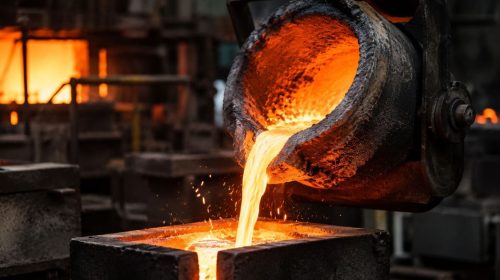
Heat treatment involves a controlled process of heating metals and then cooling them to enhance the physical properties of the metal. This includes improving the strength, hardness, toughness, machinability, and formability, among others.
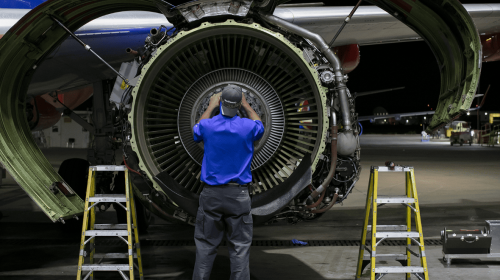
Heat treatment in aerospace CNC machining is crucial because machined parts must be designed to withstand the harsh flight conditions, thereby improving performance and reliability.
While there are several heat treatment processes, we select ones to utilize based on the metal alloy and characteristics, component size, and the goal of heat treatment, and so on.
When Should You Apply Heat Treatments to Metal Parts?
Heat Treatment Affects CNC Machining of Aerospace Metals
We apply heat treatment to metal parts before and after machining.
Before CNC Machining
Heat treatment is applied before machining when a tough alloy is required. This improves the material’s machinability.
Processes like annealing significantly improve the ductility and machinability of metals, preventing excessive tool wear and damage during CNC machining.
After CNC Machining
We also apply heat treatment after machining to enhance part quality and properties. This improves the strength and toughness and includes processes such as quenching and tempering.
With it, our engineers can machine materials in their soft or less hardened state, allowing for effective machining before heat treating to achieve more hardness and durability.
Which Aerospace CNC Metals Can Be Heat Treated?
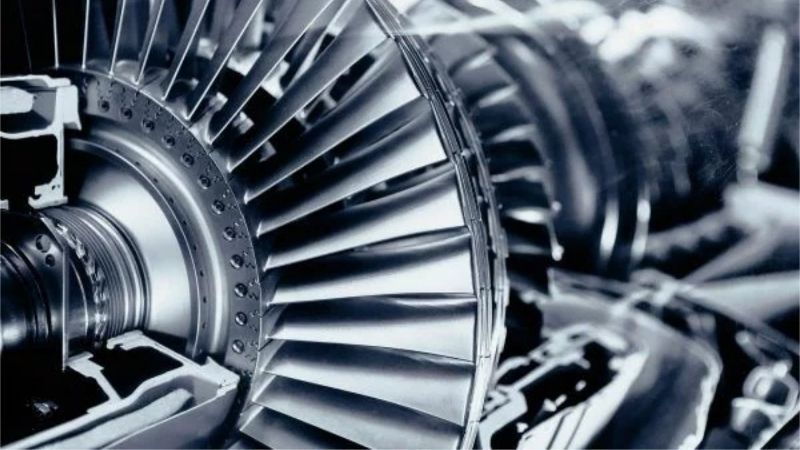
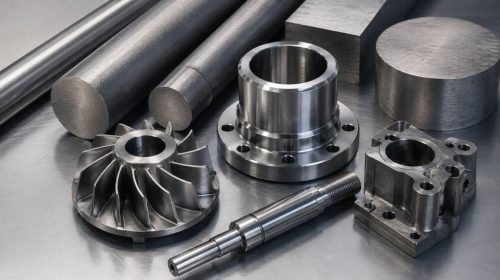
Heat Treatment can be applied to a few aerospace CNC metals. Here are some that we apply heat treatment to.
Carbon Steel, Tool Steel, and Steel Alloys
These materials contain a significant amount of carbon and thus are suitable for heat treatment. Processes suitable include quenching, tempering, solution treatment, etc, depending on the specific metal.
This helps improve their hardness, strength, and corrosion resistance, among other properties. Varying heating parameters and cooling methods are also needed based on the alloy.
Titanium
Titanium offers an excellent strength-to-weight ratio. Popular heat treatments used for this metal are annealing and aging. These processes help the metal relieve stress and enhance strength.
Nickel Alloys
Nickel alloys, such as Inconel 718, also undergo heat treatment processes, including solution treatment, annealing, and aging, to relieve internal stress, enhance durability, and improve thermal resistance.
Copper and Its Alloys
Certain copper alloys, like brass and bronze, are also heat-treated. With processes like annealing, it can be softened to improve machinability, and before hardening, to enhance wear resistance.
Aluminum
We also heat treat aluminum alloy with aging and solution treatment to improve strength and hardness.
Cast Iron
This material contains a high carbon content and can be heat-treated through annealing and normalizing. While annealing helps prevent cracking or breakage, normalizing enhances durability and machinability.
What are Common Heat Treatments for Aerospace CNC Materials?
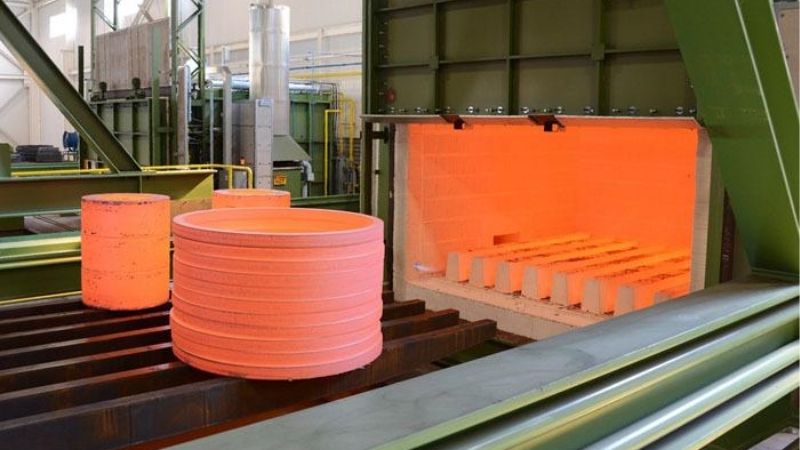
Annealing
This process enables us to apply high temperatures to the material, then cool it gradually. This helps improve machinability of the material by making it softer and tougher.
The process also helps eliminate internal stress, making parts easier to form without cracking. Annealing can be applied to many metal alloys, including aluminum, titanium, and steel.
Hardening and Quenching
With hardening and quenching, we apply high heat to the metal and then immediately cool it down with water, air, or oil to improve the parts’ hardness, strength, and resistance to wear.
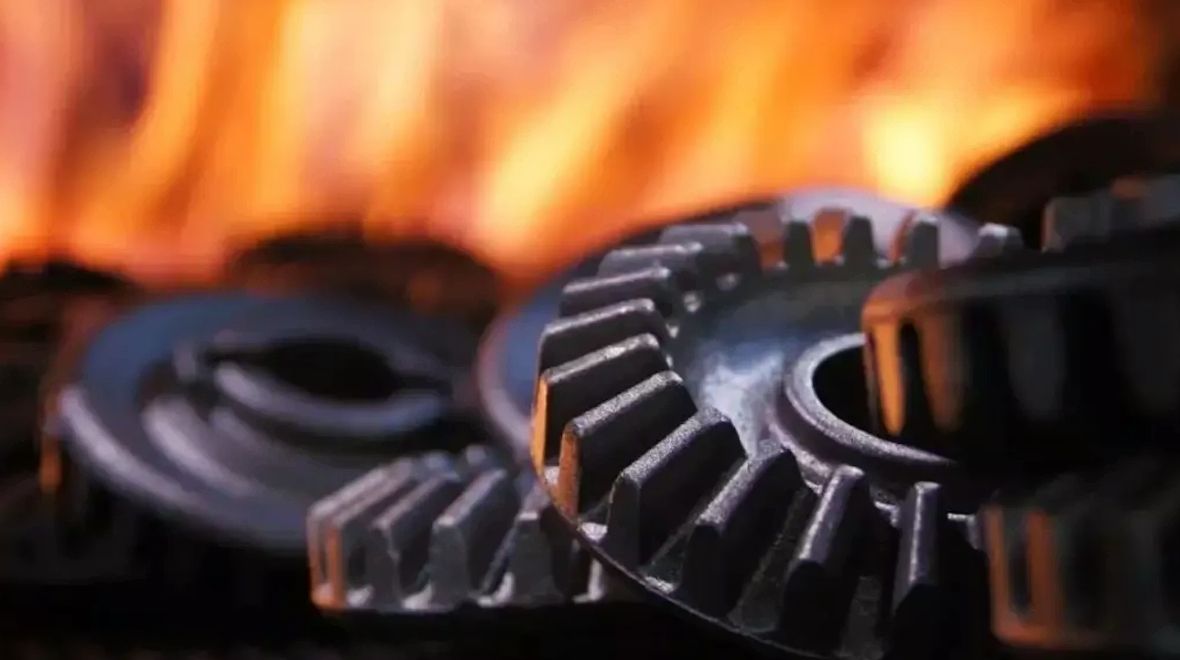
The hardening and quenching process is usually used for aerospace parts that require extreme hardness, such as gears and shafts. While the process improves hardness, parts may be prone to cracking or breakage; therefore, we apply tempering to mitigate this risk.
Tempering
We apply this process after quenching to improve component toughness and prevent brittleness. With that, we apply medium heat and then cool it gradually.
This process enables us to maintain part hardness while retaining toughness, a crucial requirement for critical aerospace applications.
Stress Relieving
Stress relieving involves applying moderate heat to a part and then cooling gradually to relieve stress. We use this method for large surface components that require precision and durability without cracking.
Precipitation Hardening (Age Hardening)
Precipitation hardening involves several processes to enhance the durability and strength of metals.
First, the metal is heat-treated at a high temperature and cooled immediately before being heat-treated again at a low temperature (aging) for an extended period.
With this, precipitates are formed, enhancing the alloy’s strength. This process is beneficial in the aerospace industry, where strength and weight are crucial, and it is widely applied to aluminum and titanium alloys.
Case Hardening
We utilize this process to improve the surface hardness of the part rather than the entire component.
This is achieved by heat treating the material’s surface in a carbon-trapped medium, allowing for penetration through the surface. Beyond improving surface hardness, it improves wear resistance and retains toughness.
How Heat Treatment Affects CNC Machining of Aerospace Metals
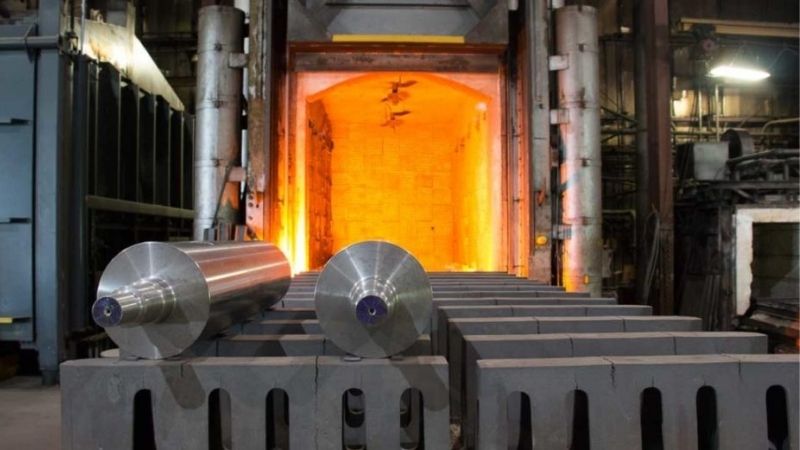
Here are a few points explaining how heat treatment affects CNC machining of aerospace metals.
Changes in Hardness and Strength
The heat treatment process enhances the strength and hardness of parts. This helps components withstand extreme stress, pressure, and other harsh flight environments without deforming or cracking.
Improvement in Ductility and Toughness
Heat treatment also improves the ductility and toughness of metals, which is vital for specific aircraft structures. This is useful for maintaining resistance to impact without becoming brittle or cracking.
Influence on Wear Resistance and Fatigue Strength
With processes like hardening, parts become resistant to wear, tear, and fatigue, making them last longer under critical, consistent aerospace applications.
Effects on Machinability and Formability
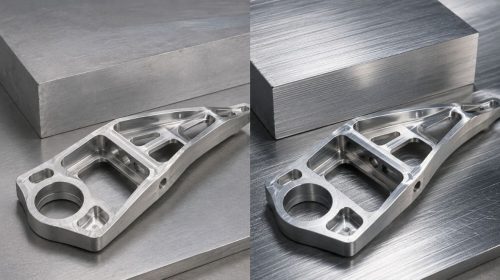
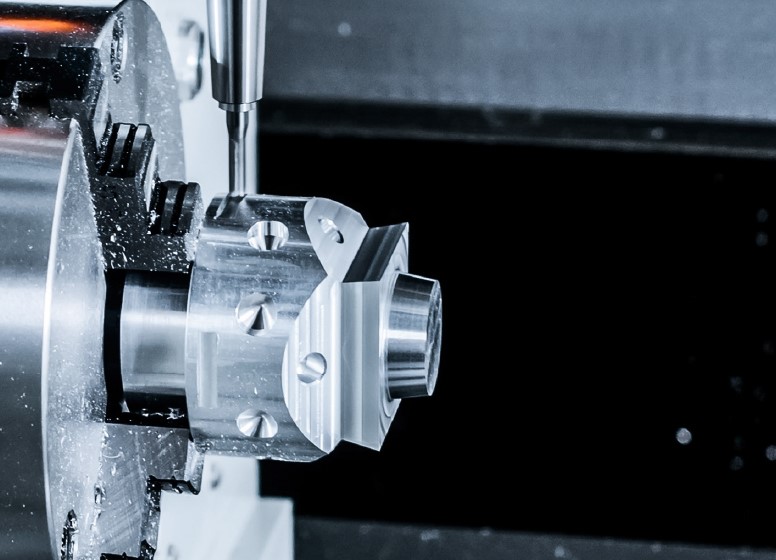
Specific heat treatment processes, such as annealing, help improve the machinability of a material. With that, we can easily fabricate parts using CNC milling and turning, among other methods, to form a variety of complex-shaped components.
Advantages of Heat Treatment
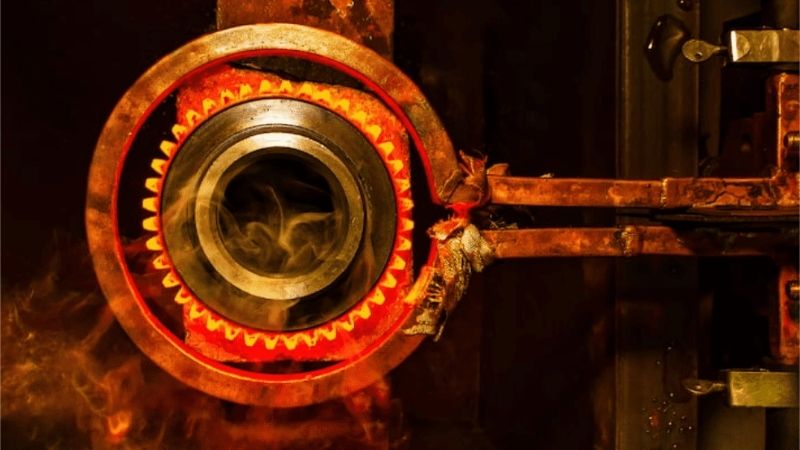
Enhanced Longevity
Heat-treated parts are typically resistant to wear, stress, fatigue, and other harsh environmental conditions due to their increased hardness, strength, and toughness. This makes them last longer even when used consistently.
Improved Material Qualities
Heat treatment helps enhance the core material’s qualities, including strength, hardness, and toughness, which are crucial for surviving extreme aerospace conditions.
Material Versatility
Several heat treatment procedures are suitable for different metal alloys. This provides flexibility in terms of the materials that the manufacturer can heat treat for CNC machining processes.
Whether it’s aluminum, titanium, steel, or nickel alloys, each can be heat-treated to achieve better results.
Improved Dimensional Stability
Specific heat treatment processes, such as stress relieving, help eliminate internal stress, ensuring that parts maintain their exact specifications and precision.
Enhanced Surface Treatment Adhesion
The specific heat treatment process helps improve part adhesion to surface treatments, such as coating and plating, which is vital in enhancing corrosion and thermal resistance.
Enhanced Electrical and Magnetic Properties
Some heat treatment processes also enhance the electrical and magnetic properties of parts, making them suitable for structures that require electrical connectivity and magnetism.
Disadvantages of Heat Treatment

Cost and Time Factor
Heat treatment process comes with more cost and time usage. This includes the cost of tools, energy utilized, and time spent, which influence overall machining cost and delivery time.
Distortion Problem
An inadequate heating process could cause parts to warp, which may affect precision or create a need for reworking.
Specific Material Incompatibility
While many metals can be heat-treated, specific soft metals may not be suitable for the process or require advanced heat-treating procedures that come with extra costs and expertise.
Chances of Brittleness
Specific heat treatments, such as hardening, are prone to cracking unless they undergo an adequate tempering process after the hardening process.
Factors Influencing Metal Heat Treatment Processes
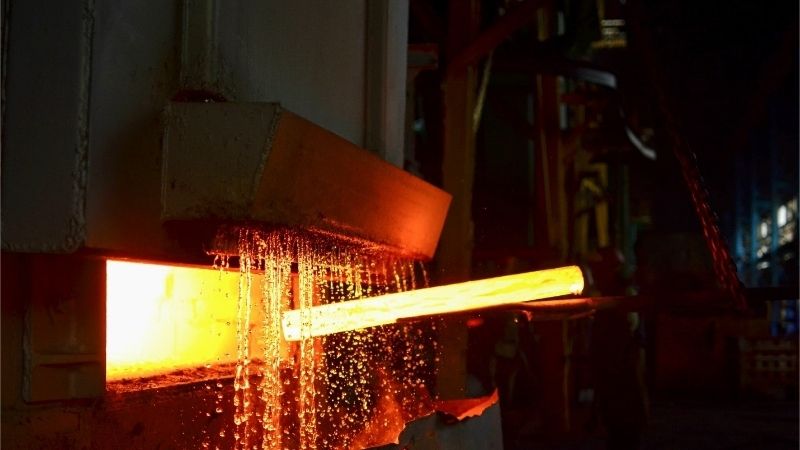
Below are some factors influencing metal heat treatment processes
Type of Metal
The specific alloy to be heat-treated is a factor in itself. Several alloys react to heat treatment differently based on their composition and properties. As such, we heat-treat materials based on their suitability using a specific method.
Temperature and Duration
The heating rate and duration must be controlled accurately to achieve the ideal effect on the metal microstructure. Excessive or insufficient temperature and heating periods can have adverse effects.
Cooling Rate and Method
The cooling rate and method could also have an influence, just as the heating does. As such, we use water, air, or oil and a varying cooling rate based on the metal and heating method used.
Size and Shape of the Component
The size and shape of the component influence how heat penetrates and flows across different angles and sides of the part.
For accurate results, the heating and cooling process must be regulated to ensure the effective distribution of heat and cooling medium.
Post Treatment Process
Further treatment processes applied after heat treatment could also influence the result obtained. Tempering is usually required after hardening. Other surface treatment or machining processes might also be required.
Atmospheric Control
Some heat treatment processes require atmospheric control, such as utilizing an inert gas or a vacuum, to prevent chemical reactions that can affect the results.
Chemical Composition
The chemical composition and the alloying elements present in a metal can also affect the heat treatment process, determining the method that must be used.
How is Heat Treatment Performed?
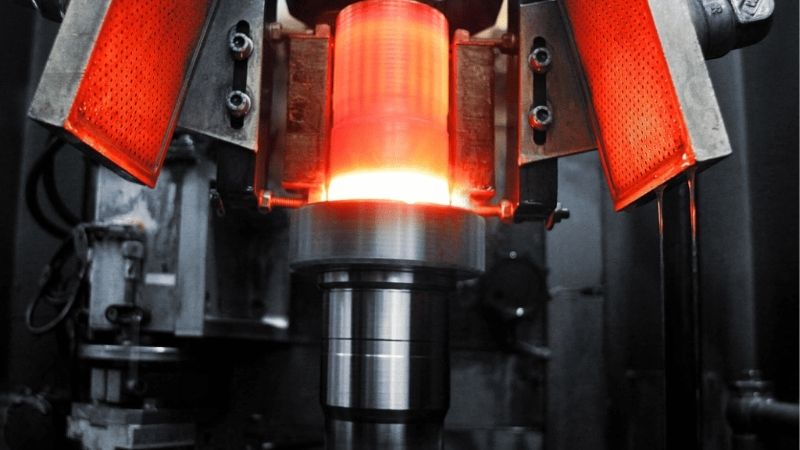
Heat treatment is performed by heating the metal in a specialized furnace with regulated temperatures. With the aid of fixtures, the metal held firmly to prevent shifting and allow even heat distribution.
After this, the furnace heats the metal gradually till the desired temperature is reached. Once that is done, the metal is allowed to undergo a soaking process, allowing the heat to reach the entire metal part before being cooled in air, water, or a gas medium.
Lastly, the metal is inspected to check for hardness, dimensional accuracy, and any other property change or distortion.
Stages of Metal Heat Treatment
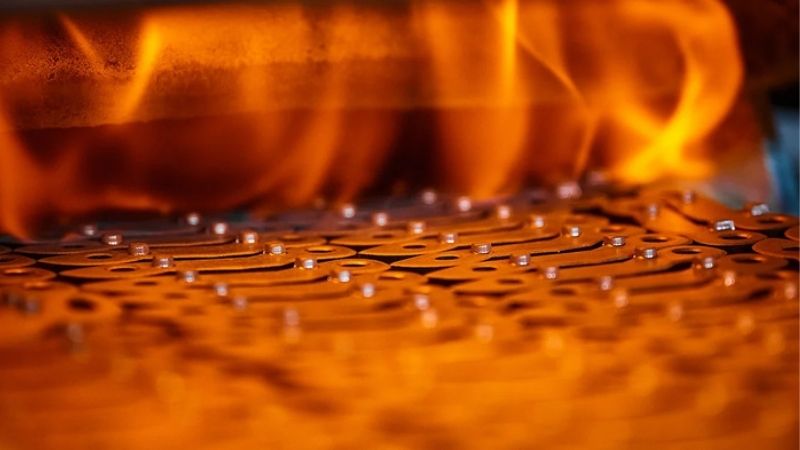
Heat treatment follows a 3-step process as explained below.
Heating
This is the first stage where we expose the metal to a controlled temperature. The amount and timing for temperature exposure, however, depend on the metal alloy. Excessive temperature can cause melting, while too low a temperature can reduce efficiency.
We also take extra care to prevent cracking, and the heating timeframe is kept accurate. The size and thermal conductivity of the material also matter when it is heated.
Soaking
This is also known as holding, and at this stage, we allow the metal to be kept at a specific temperature for a particular period of time, usually a timeframe long enough for the whole metal to absorb the heat uniformly.
The soaking timeframe, however, depends on the alloy, size, and thickness, among other factors.
Cooling
This is the last stage where we allow the metal to cool down. We also ensure a controlled cooling process to prevent distortion or cracking.
At this stage, the metal would have achieved its primary properties, improving in terms of strength, hardness, toughness, and machinability, as applicable. Specific metal alloy and cooling rate are the major factors that influence the result achieved here.
Conclusion
This guide provides a detailed explanation of how heat treatment affects CNC machining of aerospace metals. From improving machinability to enhancing strength, durability, toughness, and longevity, the process offers a lot to the aerospace industry.
When you require aerospace machining experts who can efficiently bring your next project to life, we are your go-to partner. From traceable material sources to advanced machining processes, heat treatment, surface finishing, and comprehensive process inspection, we ensure the production of high-quality, high-performance parts. We are certified to AS9100, ISO 9001, and NADCAP standards. Contact Us Today.

Ethan
Ethan focuses on advanced surface treatments, including chemical conversion coating (Alodine), hard anodizing, and passivation. He understands how specific finishes impact corrosion resistance, aerodynamic performance, and durability in harsh flight environments, ensuring every part is fully compliant with aerospace specifications.