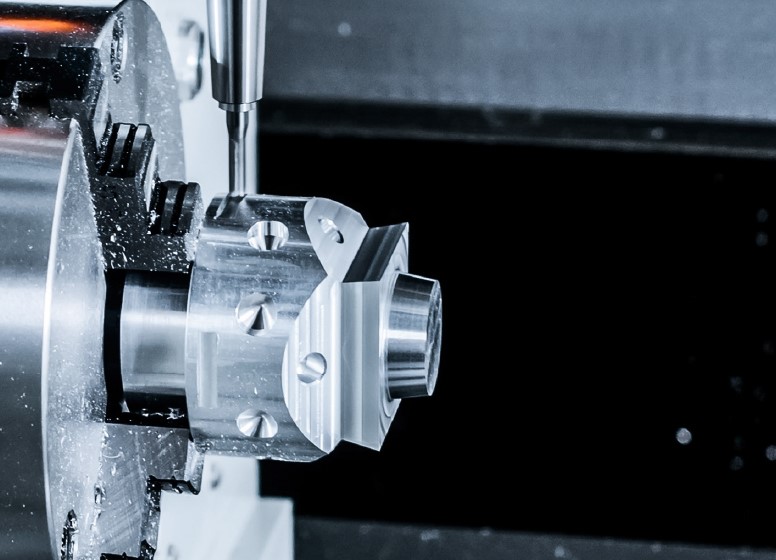
How to Achieve Tight Tolerance Machining for the Aerospace Industry
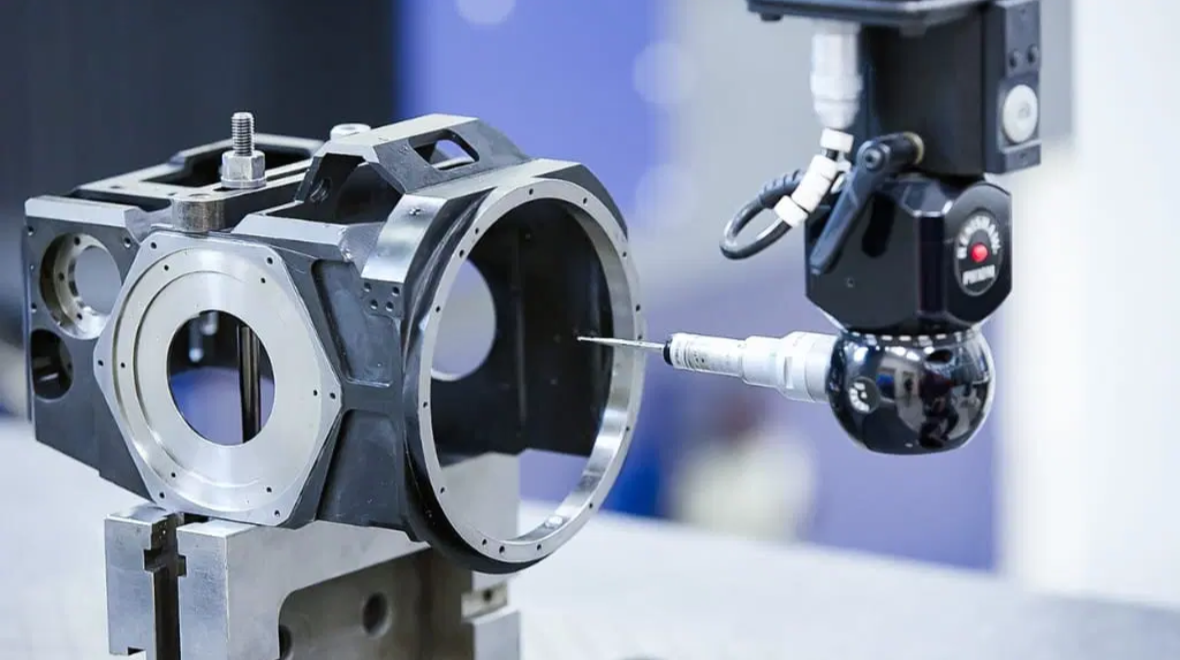
Many aerospace products require exceptional accuracy for them to function effectively. Despite being utilized in extreme flight conditions, they maintain safety and reliability. Tight tolerance machining helps ensure that these parts perform as expected.
This simple guide explains what tight tolerance machining is, how to achieve it, and lots more.
What is a Tight Tolerance?
Tight tolerance can be defined as the least or lowest supportable discrepancy or variance in measurement or specifications used in machining.
Tight tolerances help ensure that manufacturers stay within and maintain the stipulated dimensions and parameters during production, thereby creating components with high precision and accuracy.
It usually ranges from ±0.01mm or below. In the aerospace field, tolerances required can be as low as ±0.005mm.
Some essential factors, such as the manufacturing technique, complexity of the part, and specific industry standards, influence the tolerance level during machining.
Typical Values for CNC, EDM, and Laser Machining
CNC Milling and Turning
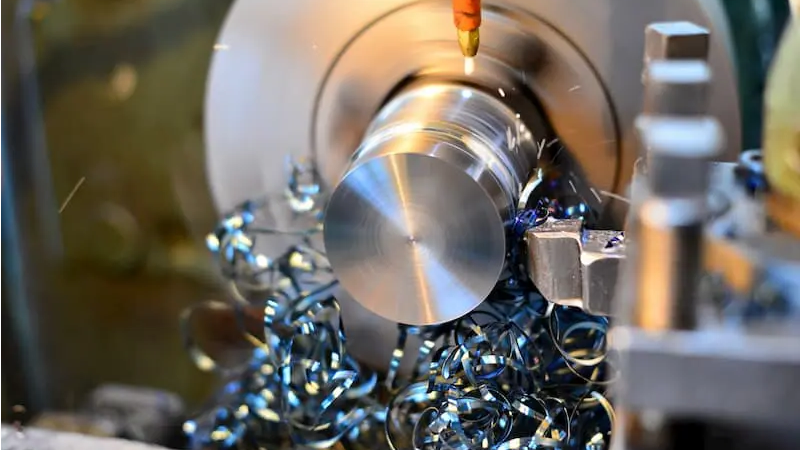
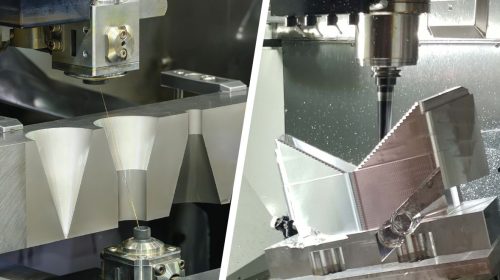
CNC milling and turning process has an ideal or required tolerance level of ±0.005mm to ±0.01mm.
This value applies to the machining of structural assemblies, connectors, fastening parts, and other components that require moderate tolerances.
While a precision level of ±0.002mm or less is attainable, some machining conditions must be satisfied.
These include utilizing sophisticated, high-performance machines, precise milling measurements, and providing a medium to regulate heat, thereby preventing breakage or cracking.
Micro EDM
This machining technique’s tolerance level ranges from ±0.005mm to ±0.01mm, making it valuable for creating micro-sized aerospace components with intricate designs.
To achieve this tight precision level, advanced multi-axis machining facilities must be used in conjunction with detailed laser measurements and testing.
Laser Machining
Very tight tolerances are achieved in parts manufactured with laser machining because it is capable of achieving tolerance levels as low as 1 micron.
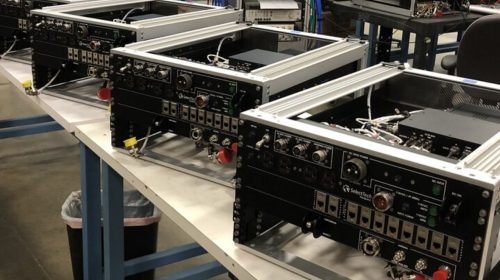
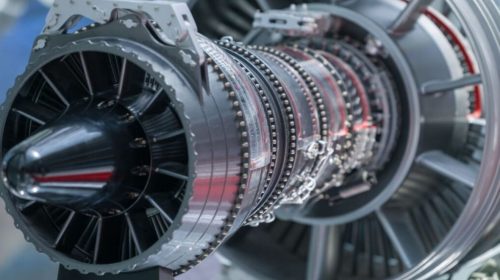
Aerospace components, such as sensor housings, turbine engines, fasteners, and other miniature structures, are often created with this technology.
Moreover, it is a contactless method, which means parts are less likely to be exposed to damage from pressure or high temperatures. This, in turn, gives highly accurate, reliable, and precise components.
The Requirements of the Aerospace Industry for Tight Tolerances
If you are wondering what is considered a tight tolerance in the machining of aerospace parts, here is a simple table that explains it.
| Industry | Tolerance level | Common Applications | Precision requirements highlights |
| Aerospace | ±0.005mm – ±0.01mm | Structural assemblies, turbine engine, actuators, sensor housing, gear parts, avionics housings | Safety, resistance to high heat, corrosion, and temperature, exceptional stress and fatigue resistance |
Why Tight Tolerance Matters in the Aerospace Industry?
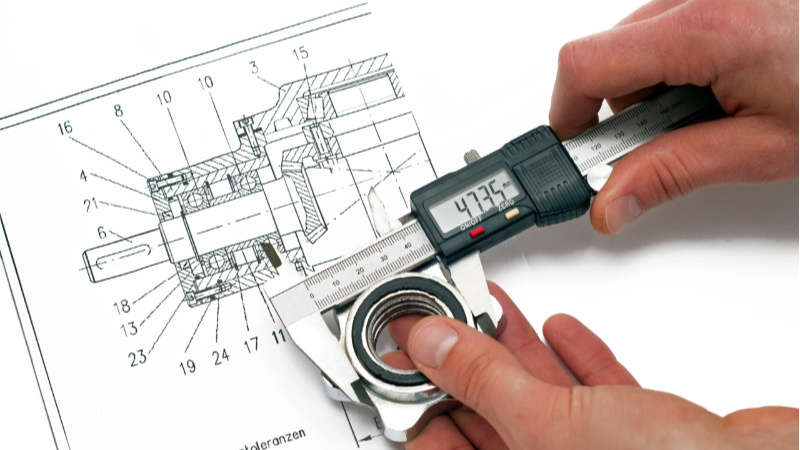
What is considered tight tolerance machining in other industries might not apply in the aerospace field.
Tight tolerance in aerospace helps guarantee component reliability and safety. Any slight variation from the ideal tolerance standard might jeopardize part performance and safety.
Precision Fit and Part Interchangeability
Many components within the aerospace industry are manufactured separately but must be integrated or assembled together to function as a complete system.
An accurate tolerance level helps ensure that these parts fit within themselves properly, thereby providing exceptional performance.
It also prevents excessive wear, as parts are well-fitted and not loose, and enhances the overall structure’s service life.
Moreover, when components have tight tolerances, they can be easily replaced when needed, thereby eliminating the waiting period and the need for repairs.
When uniformity of parts is crucial in bulk production, tight tolerance levels can help achieve it.
Impact on Performance, Durability, and Safety
The aerospace sector also requires parts that can perform exceptionally well and ensure safety even in the most extreme environmental conditions. Tight tolerance machining can help achieve that.
Performance
A tight-tolerance part fits well, thereby preventing unnecessary movement, friction, and wear of parts. With this, the performance is optimized and machining takes less time while producing more outputs.
Durability
Durability is also ensured for parts with high accuracy, as they’ll fit well within the system. With this, parts are less likely to suffer from friction and wear, thereby enhancing their lifespan.
Safety
High precision also prevents part breakdown or damage, thereby ensuring passenger safety.
Value in the Aerospace Sector
Tight tolerance in aerospace is a required standard. It is an ideal phenomenon that highlights the value and importance of the industry in terms of reliability, manufacturing, performance, and more.
Moreover, it helps manufacturers within the sector stay in compliance with regulatory policies.
Key Factors in Achieving Tight Tolerances for the Aerospace Industry

There are several points to consider for attaining tight tolerance machining within the aerospace industry. Below are some of them:
Process Planning & Design
Determine the Accurate Tolerance level
The first point to consider when achieving a tight tolerance is to plan the machining process adequately. With that, you’ll be able to ascertain the precision level required for every component.
This will, in turn, help ascertain accurate overall machining prices, maximize production time, and improve efficiency. With Precision inspection equipment like Root Sum Square, you can ascertain the correct tolerance level for every part.
Eliminate Unimportant Details
Adding unimportant details and excessive machining processes that don’t improve the performance of a component is another thing to take note.
While this can help improve tolerance levels, it may complicate the part design. Aligning the tolerance range with the design to be achieved is key.
Material Selection & Behaviour
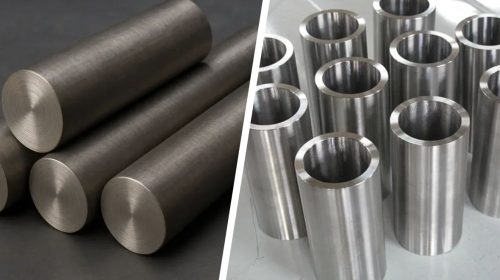
Some machining processes generate a lot of heat, stress, and pressure. Understanding the material being machined and selecting the appropriate material for the specific manufacturing technique is crucial.
Aluminum 6061, for example, offers exceptional machinability; however, it might bend or twist under some conditions.
Other metals, such as titanium, also generate heat when milling and can impact precision if not adequately controlled. So having accurate information about your material is essential.
Additionally, some materials expand when exposed to high heat or temperature changes, so adjusting machining parameters to accommodate slight changes may be necessary. Cooling techniques might also be introduced to regulate the process.
Machine Capability & Technology
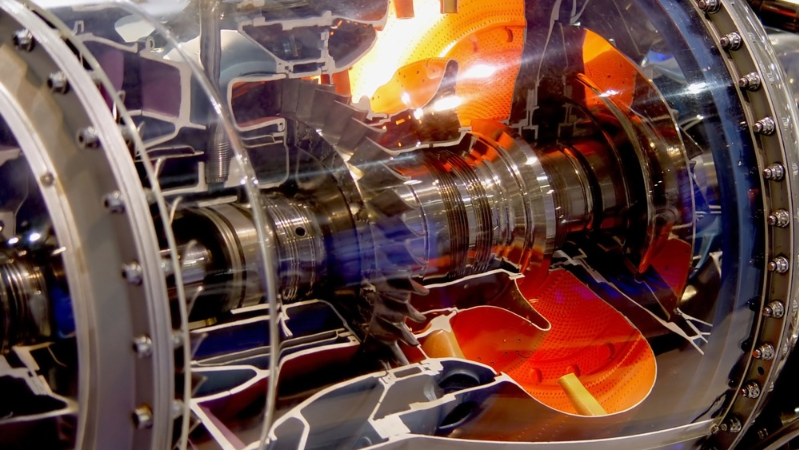
The machines and equipment used in manufacturing itself are another factor that can affect the tolerance range. High-performance, tough, and advanced CNC machines with reliable tools that can withstand temperature changes can guarantee tight tolerances.
Temperature changes in manufacturing can affect the precision level of tools and equipment used; however, sophisticated CNC machines have their own unique cooling mechanisms to correct this.
Also, some specific machining technique like 5-axis and laser machining naturally gives more precision parts and improve production efficiency compared to others.
Tooling and Fixturing
The machine setup must also be accurately performed to avoid shifting or constant repositioning, which could lead to variations in the tolerance level. Introducing a stable clamping method or vacuum fixtures helps ensure accurate alignment and stability.
Using the correct set of tools for every manufacturing step is also vital. Finishing equipment, for example, should be used for its intended purpose only to keep its edges intact.
Moreover, the right tool holder, such as a hydraulic type, should be used to grip and hold the tool firmly in place.
Environmental Control
The environmental condition of the machining space must also be kept under control. Little temperature changes can cause deviations in tolerances.
Maintaining a temperature of 20 to 22 degrees Celsius and controlling variations within ±1 degree Celsius is crucial.
Other factors, such as humidity, dirt, and vibration, also need to be taken into account. Excessive vibration should be eliminated to maintain machine and tool stability during milling.
Dirt and coolant mist in the air can also be removed using air filtration mechanisms. When working with plastics, humidity should be regulated, as materials like PEEK interact with high humidity, which can affect part dimensions.
Inspection and Measurement
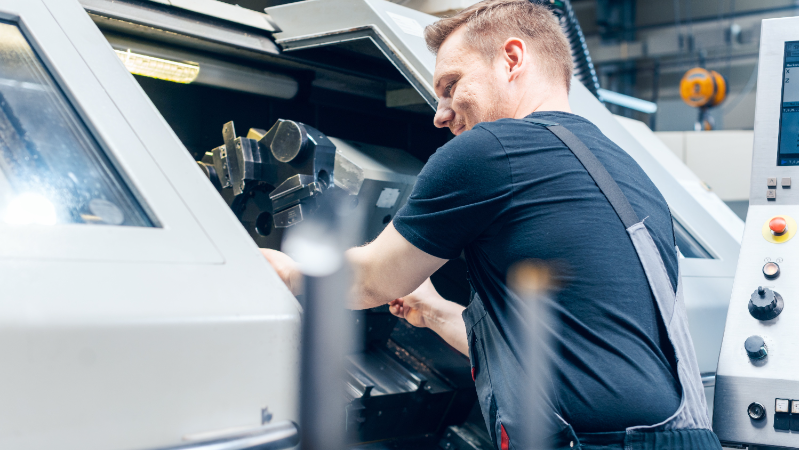
Advanced CNC facilities are equipped with an inspection mechanism that detects issues during machining, allowing for adjustments to be made.
They can notify when there’s tool wear, inaccurate alignment, or a shift in machining precision. With this, producers can fully maximize production time, work with high precision, and eliminate wastage.
Beyond that, many aerospace components still need further testing that is usually completed with Coordinate Measuring Machines (CMMs), laser interferometers, and so on, which helps guarantee tight tolerances.
Cost vs Benefit of Tight Tolerances for the Aerospace Industry
Tight tolerance parts come with a higher cost due to the use of advanced technological machines, high-quality materials, extended machining time, and several other factors.
However, for industries such as aerospace and many others, tight tolerances are necessary to ensure safety and reliability. More so, spending on tight tolerance machining helps eliminate future risk and failure.
Why Tighter Tolerances Increase Cost
Tighter tolerance parts typically utilize more sophisticated and technologically advanced machining facilities to achieve greater accuracy.
Beyond that, it requires advanced expertise, regulated environments, and more testing and inspection procedures. All of these, and more, contribute to the price per unit of the product.
Impact on Production Time and Scrap Rate
Machining tight-tolerance parts takes longer since thorough inspection is performed and toolpaths are carefully maintained.
More waste is also being generated, as even slight environmental effects or instability can cause deviations from the required tolerance level.
When to Justify Investment in High-Precision Systems
Tight-tolerance parts in aerospace turbine engines, such as actuators, help guarantee safety and high performance. With this, it is worth investing in high-precision machining, as the risk is reduced to a minimum.
Application Examples in the Aerospace Industry
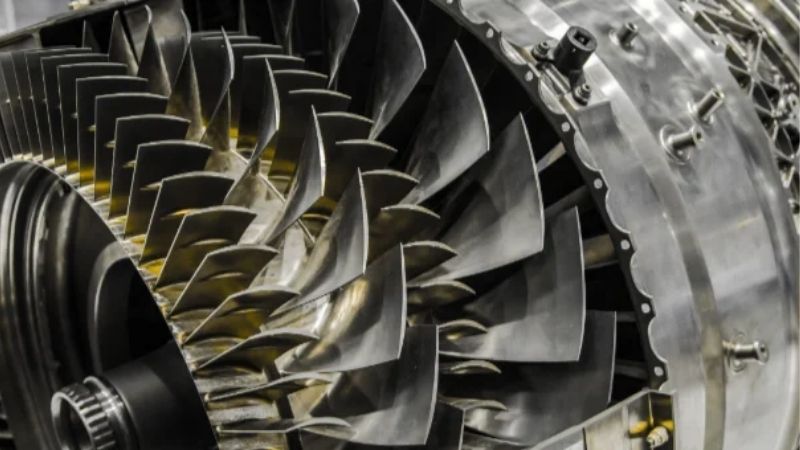
As mentioned earlier, tight tolerance machining in aerospace helps parts improve performance even in harsh environmental conditions, resist load and pressure, and ensure safety. Below are some specific aerospace components that undergo tight tolerance machining:
- Turbine engine components
- Landing gear assemblies
- Actuator
- Fuselage frames
- Wing Spars
- Fuel system parts
- Engine shafts
Overview of ISO 2768, GD&T, And Tolerance Frameworks

Manufacturers in the aerospace sector must obtain certifications that provide guidance on tight-tolerance machining.
ISO2768
Provide guidelines for machining linear and angular structures when a particular tolerance level isn’t indicated. It therefore outlines four ranges, including fine, medium, coarse, and very coarse.
GD&T (Geometric Dimensioning and Tolerancing)
This uses a symbolic system to indicate component design geometry, thereby enabling manufacturers to regulate position and alignment tolerances. With this, the part performs accurately regardless of whether there is tolerance variation or not.
Industry Framework
AS9100 and NADCAP provide compliance standards that manufacturers adhere to in tight-tolerance machining. They stipulate testing and quality inspection regulations, as well as full traceability, among other requirements.
Conclusion
With tight tolerance machining, you can ensure that aircraft components maintain optimal performance, ensure safety, and stay compliant.
AeroCNCParts is a prominent aerospace part manufacturer with over 20 years of service to many companies worldwide. We machine parts to a tight tolerance level of 0.005mm or even better, as required. Our machining process ensures FAI and CMM inspections, as well as NADCAP and AS9100 compliance, delivering high-quality, reliable, and high-performance components the first time.
FAQs
What is the highest tolerance for aerospace machining?
The highest tolerance for aerospace machining depends on the specific parts to be machined. For parts that aren’t critical, such as a bracket, the tolerance could range from 0.1mm to 0.2mm. A critical engine part requires a tight tolerance of 0.005mm.
Which tolerance is most difficult to machine for the aerospace industry?
Any tolerance level less than 0.002mm can be difficult because any little issue, like a slight temperature rise, can affect precision. The manufacturer thus combines advanced CNC tools, CMM inspection, thermal regulation, etc., to correct that.
What is the minimum tolerance for aerospace CNC machining?
The minimum tolerance for aerospace CNC machining ranges from 0.005mm to 0.01mm.
What are the tolerance grades for aerospace machining?
The tolerance grade for aerospace machining, as specified by AS9100, is 0.005mm or even less.
What happens when manufacturing tolerances are too tight?
This results in a longer production time, more waste is generated, tool failure occurs, and there is a need for more stringent inspection and control of environmental factors, thereby reducing production efficiency.

Kim
Kim oversees engineering operations, including complex process planning, DFM reviews, and solving challenges associated with high-precision aerospace parts. He specializes in strict tolerance control and machining complex geometries essential for avionics, turbine components, and structural frames. Outside of work, he enjoys the precision and strategy of playing snooker.