Aerospace Grade Aluminium: Alloys, Features, and Applications

This material would not be the preferred choice of the aerospace industry if not for its remarkable properties that meet the requirements in certain functions, whether used as parts for a commercial jet or even a spacecraft.
Because of its exceptional ability to stay light while also resisting wear and damage, and maintaining its workability, it easily became a significant material that ensures safety and efficiency in this industry.
This article will help you learn more about aerospace grade aluminium, its alloys, features, and applications.
What is Aerospace Grade Aluminium?
Aerospace grade aluminium is a special type of aluminium that is used to build airplanes and spacecraft. This material is stronger than regular aluminium because it is usually combined with other metals like copper, zinc, or magnesium.
In addition to its optimal toughness and resilience, it is lightweight, which is important for jets and spacecraft, as load can negatively affect both their capability and consumption of fuel.
This type of aluminium is preferred in the aerospace industry because of its unique properties. It is rust- and damage-resistant and can protect itself from changing temperatures, which is inevitable in high-altitude flying and space travel.
The aerospace industry utilizes this special type of material by using it in various parts of an aircraft, such as wings, body, and even the interior.
Aerospace Grade Aluminium Alloys
2024
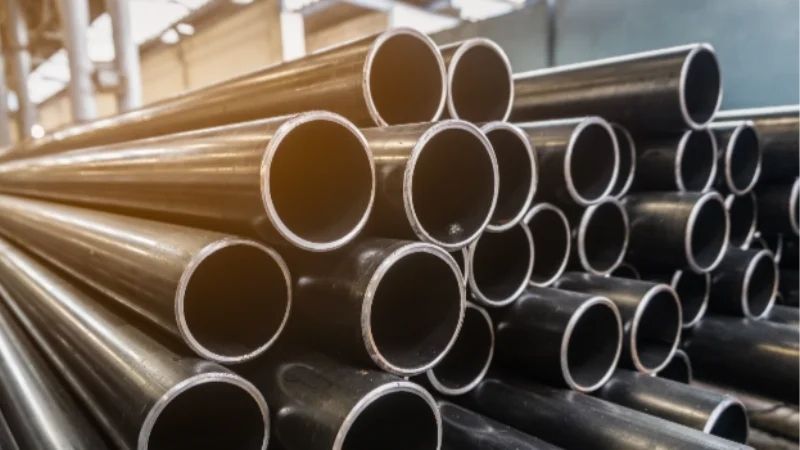
2024 is commonly used in aircraft parts such as fuselages and wings because of its wear resistance. This aluminium alloy is mixed mainly with copper. This material is often coated or painted because it doesn’t resist corrosion very well.
2014
2014 is mainly used in aircraft fittings, truck frames, and structural components. Known for its strength, this alloy is often used in heavy-duty aerospace parts. It is utilized in areas that require high mechanical strength more than corrosion resistance.
5052
5052 alloy contains magnesium and is highly corrosion-resistant. Although not as extremely strong as the rest of the alloys, it is quite useful in fuel tanks and marine parts.
6061
This strong and corrosion-resistant alloy can be easily machined and welded, making it an in-demand alloy in many industries. It is often used in aircraft parts, frames, and spacecraft components.
7050
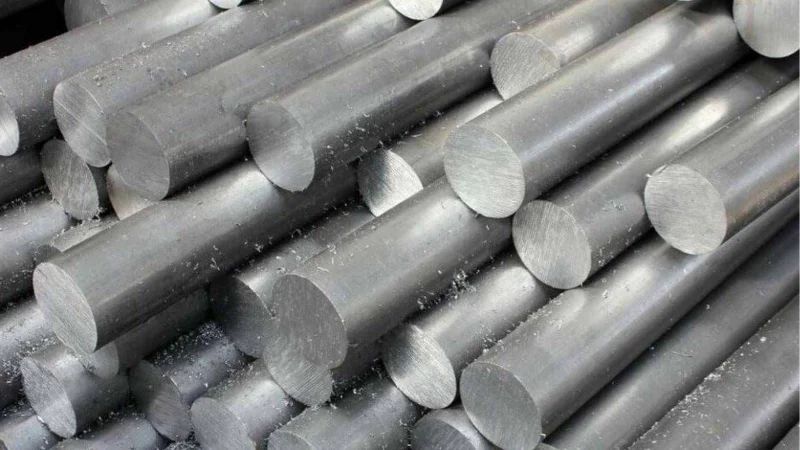
7050 is ideally used in aerospace parts like wing skins and bulkheads that both demand strength and corrosion resistance. This extremely strong alloy is also heat treatable and highly stress resistant, which also makes it ideal for commercial and military aircraft.
7068
7068 is the alloy that, despite being the strongest, also offers a good strength-to-weight ratio.
It is used in aerospace defense components that require extreme strength and efficiency.
7075
This alloy is the most commonly used aerospace aluminium alloy because of its ideal strength-to-weight ratio. It is often used for aircraft structures and high-stress parts like wings and landing gear. However, it requires proper care because it can be prone to corrosion.
2219
2219 is an aluminium-copper alloy that is often used in rocket fuel tanks and aerospace structures that require high heat resistance. This alloy’s excellent weldability and top-notch mechanical properties make it ideal for space applications.
6063
This aluminium alloy is often used in decorative trims, tubing, and window frames in aircraft because of its smooth surface finish and corrosion resistance. It is significant in architectural and interior parts, not heavy-load structures.
7475
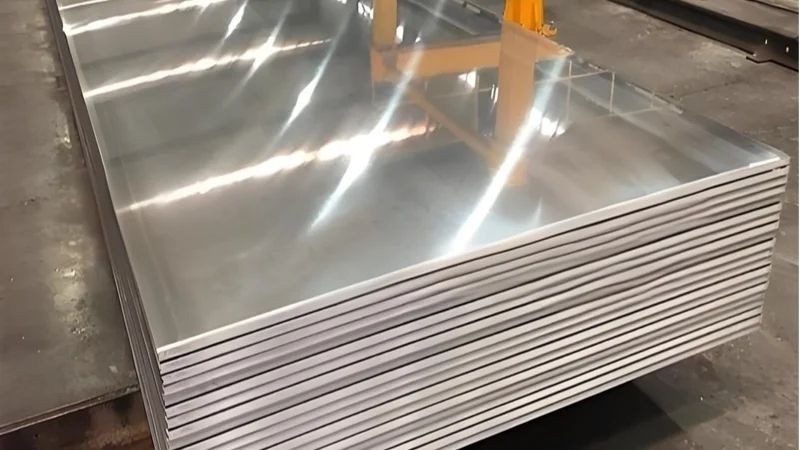
7475 is a high-strength alloy used in aircraft wing panels, fuselage skins, and structural components that require crack resistance. This alloy is known for its durability and performance in critical applications.
3003
This alloy has workability and good corrosion resistance, but is not as durable as many alloys. It is often used in non-critical parts like panels, ducts, and insulation. Though it is easy to form and weld, it is not as strong as other alloys.
6082
6082 T6 aerospace grade aluminium is a strong alloy with good corrosion resistance, making it a great choice when the application requires both strength and weldability. It is commonly used in aerospace parts such as structural frames, transport systems, and precision-machined components.
The T6 temper further enhances its mechanical properties, making it ideal for demanding aerospace environments.
Benefits of Aerospace Grade Aluminium
The strength and reliability of aerospace grade aluminium in terms of performance and lightweight properties made it one of the most significant materials in aviation and space engineering.
Here are the key features that highlight why it is a material of choice in the aerospace industry:
High Strength-to-Weight Ratio
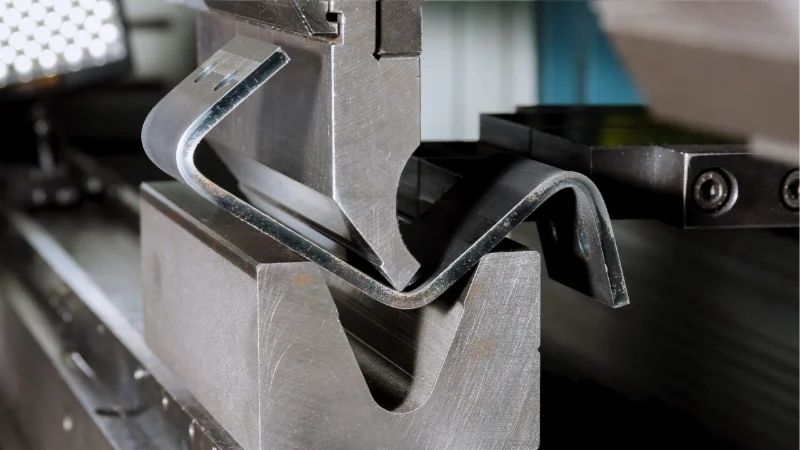
This feature allows designers and engineers to build safer and more efficient aircraft without much consideration of the weight. A high strength-to-weight ratio means that even when a material is lightweight, it can still handle heavy loads and stress.
This feature is one of the most crucial qualities of aerospace aluminium because the lighter the aircraft, the less fuel consumption. It is also especially important with aircraft that carry more cargo and passengers.
Corrosion Resistance
The material’s ability to resist corrosion and not break down easily when exposed to air, moisture, and chemicals is highly required for air and spacecraft. The harsh flying conditions and extreme temperatures can easily cause rust that can wear the material.
Using corrosion-resistant materials will not only minimize repairs and part replacements but will also significantly increase the lifespan and safety of an aircraft.
Electrical Conductivity
This feature makes aluminium useful for electrical components inside the aircraft, such as wiring systems, connectors, and grounding applications. The lightweight property of aluminium positively impacts the overall efficiency of the aircraft because it will no longer require heavier metals for electrical parts.
Thermal Conductivity
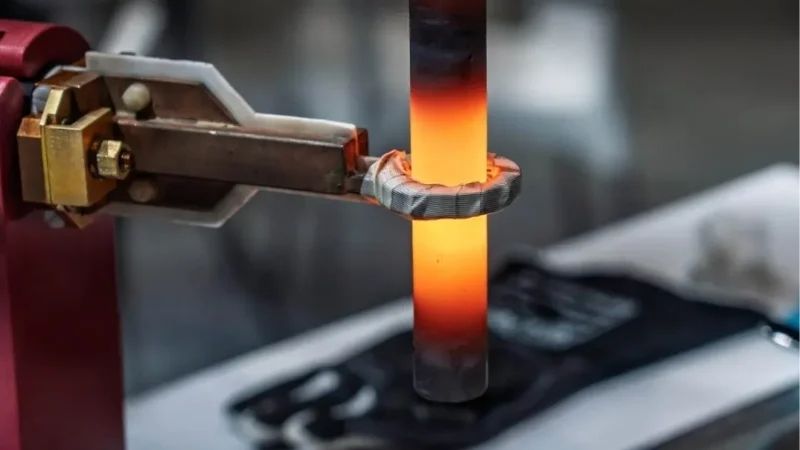
Aluminium’s ability to transfer heat efficiently is helpful in managing the temperatures of aircraft and spacecraft systems. This feature is much needed in heat exchangers, radiators, and cooling systems.
Using a material with efficient thermal conductivity helps electric systems and engines from overheating during long and high-altitude flights.
Surface Finish
Because aluminium alloys can be smoothed out easily and give a shiny, treated surface, they improve not only the appearance but also the performance. A good surface finish improves aerodynamics and prevents moisture and dirt from sticking to the surface of the aircraft. It is also helpful in bonding, coating, and painting processes.
Fatigue Resistance
The repeated cycles of stress from takeoff and landing can increase the aircraft’s fatigue, and using fatigue-resistant aluminium alloys could optimize the aircraft’s performance and lifespan. Specific parts like the wings, fuselage, frames, and landing gears are the ones that will highly benefit from this feature.
Malleability and Machinability
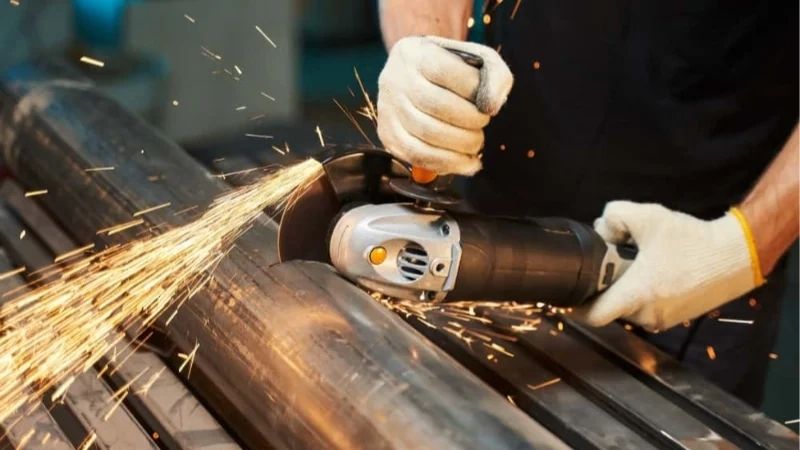
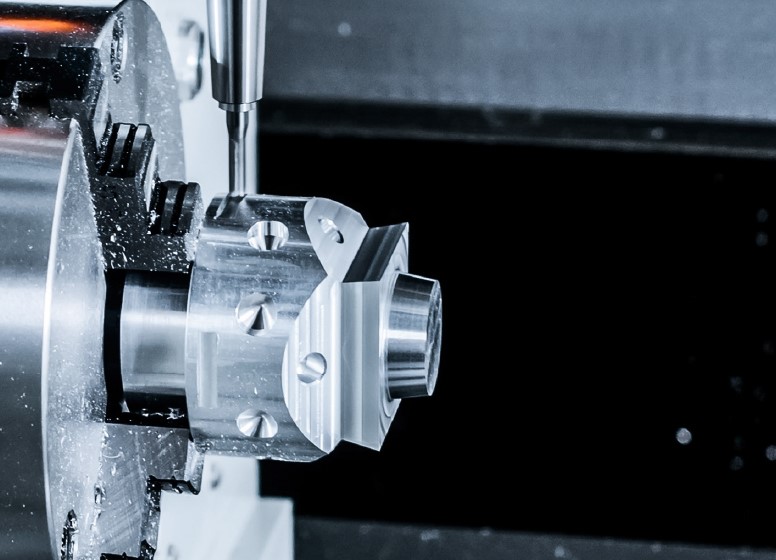
Aerospace aluminium is efficient and known for its highly workable properties. It means that the material can easily be shaped and cut into complex forms without breaking. This feature makes it easier for engineers and manufacturers who need parts for their intricate structures.
Recyclability
This eco-friendly feature makes aluminium a standout without losing its unique properties. Recyclability helps reduce waste and conserve resources because old parts can be melted and reused for a new aircraft.
Fuel Efficiency
The lightweight properties of aluminium significantly impact the overall weight of the aircraft, and the lighter the aircraft is, the less fuel consumption, which leads to lower operating costs and, more importantly, fewer emissions, making the aircraft more environmentally friendly.
Maintenance and Longevity
The durability of aerospace aluminium reduces maintenance and repair. Properties like corrosion resistance and fatigue resistance can improve an aircraft’s lifespan and reduce frequent parts replacements. This feature helps airlines and space agencies save time and money.
Versatility in Design
The workability and flexibility of aerospace-grade aluminum allow designers and engineers to keep up with the aesthetic and mechanical efficiency of their air and spacecraft. Parts that require extremely strong capabilities remain lightweight, without sacrificing design, efficiency, and safety.
Compatibility with Advanced Manufacturing Techniques
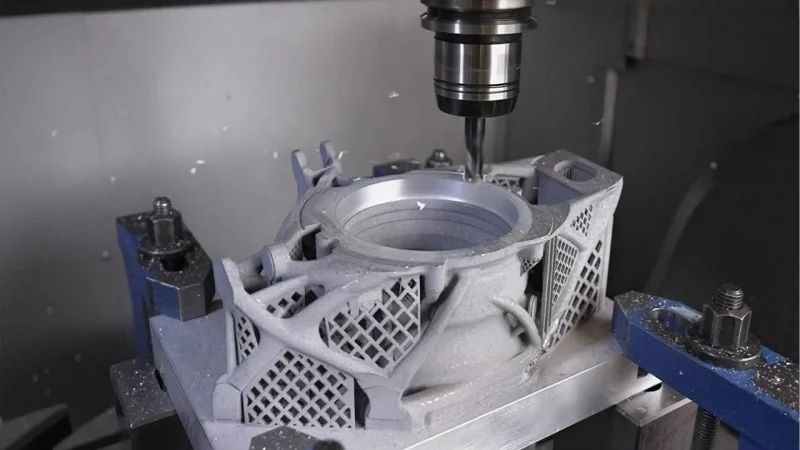
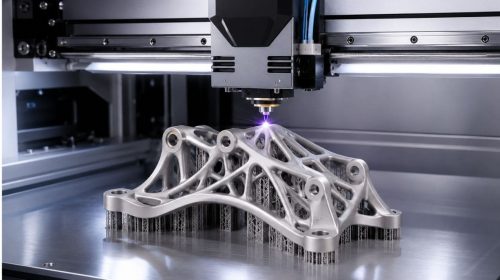
Aerospace grade aluminium workability and flexibility are key factors that make it compatible with other manufacturing techniques like 3D printing and automated assembly. Because aluminium is easy to cut, it becomes easy to make complex parts with high precision and less waste.
Engineers can create stronger, lighter, and more efficient aerospace components faster and at a lower cost using this compatibility, which is crucial in the fast-paced aerospace industry.
Applications of Aerospace Grade Aluminum
Aerospace grade aluminium’s strong, lightweight, and damage-resistant properties make it ideal for building safe and efficient air and spacecraft.
Here are some of its most common and important applications:
Aircraft Wings and Fuselage
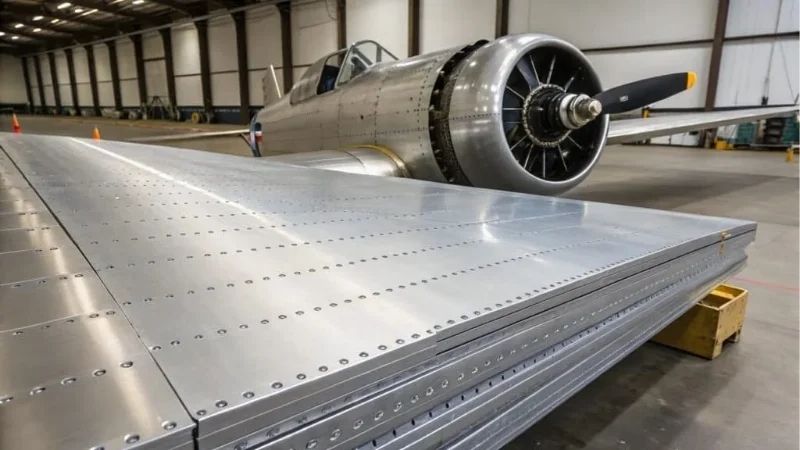
Aluminum is light but strong enough to handle air pressure and flight loads, which is why it is widely used to build the main body and wings. Since the main body is the critical part, it requires strength and durability.
Aircraft Engines
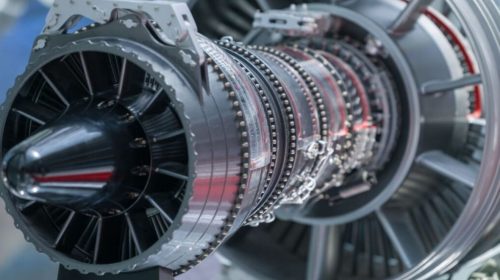
Aircraft engines are also a critical part that requires heat-resistant and lightweight housings and casings. The material’s ability to conduct heat and manage engine temperatures is crucial to an aircraft’s safety and efficiency.
Landing Gear
It is important to use strong aluminium alloys in landing gear systems due to their strength and resistance to fatigue when subjected to heavy stress during takeoff and landing.
These alloys are tough and do not become fatigued from repeated landings. The aluminium used in the gear reduces its weight while still providing the required strength.
Interior Components
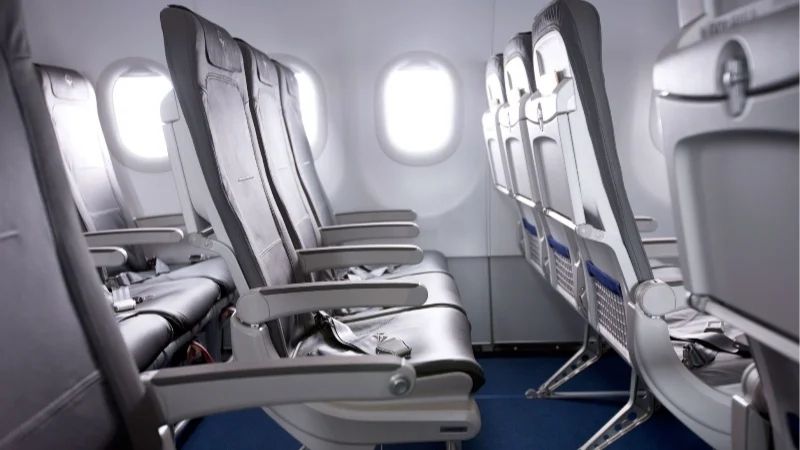
Aluminium is used for seats, cabin walls, overhead bins, and other interior parts because it is light, durable, and easy to shape. It also adds to passenger safety and comfort while keeping the aircraft’s weight down. Its clean finish makes it suitable for aesthetic designs too.
Electrical Systems
Aluminium is a good conductor of electricity and is often used in the aircraft’s electrical wiring and connections. It is lighter than copper, which helps reduce the total weight of the aircraft. This makes aluminium a smart choice for electrical systems that require both efficiency and performance.
Challenges of Using Aerospace-Grade Aluminium
While aerospace-grade aluminium offers many benefits like light weight and high strength, it also comes with a few challenges. These issues must be carefully managed during aircraft design, manufacturing, and maintenance to ensure safety and cost-effectiveness.
Below are some of the main challenges faced when using aluminium in aerospace applications:
Fatigue and Fracture
Although aluminium resists fatigue better than many materials, it can still develop tiny cracks over time due to repeated stress, such as takeoffs and landings.
If not detected early, these cracks can grow and lead to structural failure. Regular inspections and maintenance are needed to catch fatigue issues before they become serious problems.
Cost

High-performance aluminium alloys used in aerospace are more expensive than standard aluminium. The cost of producing, treating, and machining these special alloys can add up, especially in large aircraft projects. This can make manufacturing and repairs more expensive for airlines and aerospace companies.
Environmental Considerations
While aluminium is recyclable, the process of mining and refining raw aluminium (bauxite) uses a lot of energy and can harm the environment.
Also, some protective coatings used on aerospace aluminium can produce waste or emissions. Sustainable practices are needed to reduce the environmental impact of aluminium production and use.
Conclusion
Aerospace grade aluminium is a trusted material in aviation and space travel because it is strong, lightweight, and durable. Its many features make it perfect for building safe, efficient, and long-lasting aircraft and spacecraft.
At AeroCNCParts, we provide high-quality aerospace aluminium materials and precision manufacturing services to meet your exact needs. Contact us today to learn how we can help with your next aerospace project.

Robert
Robert specializes in the mechanical properties and thermal resistance of aerospace metals and high-performance plastics. He has extensive experience with flight-grade materials, including Aluminum 7075, Titanium (Ti-6Al-4V), Inconel, and PEEK. He optimizes machining strategies for difficult-to-process materials to ensure structural integrity under extreme conditions.