10 Versatile Materials Used in Airplane Interior Designs
Designing airplane interiors goes far beyond aesthetics. Components must be manufactured to meet the safety, performance, and reliability needs of the aerospace industry and must cater to the comfort of the passengers.
Selecting the right materials ensures that these requirements are met. In this post, we explore the 10 versatile materials used in airplane interior designs and much more.
What is Airplane Interior Design?
Aircraft interior design refers to the process of planning, engineering, and producing components in an aircraft cabin.
From flooring, galleys, seating, lighting, etc, every part must enhance passenger safety and comfort, reliability, and regulatory compliance.
Why Does Airplane Interior Design Matter?
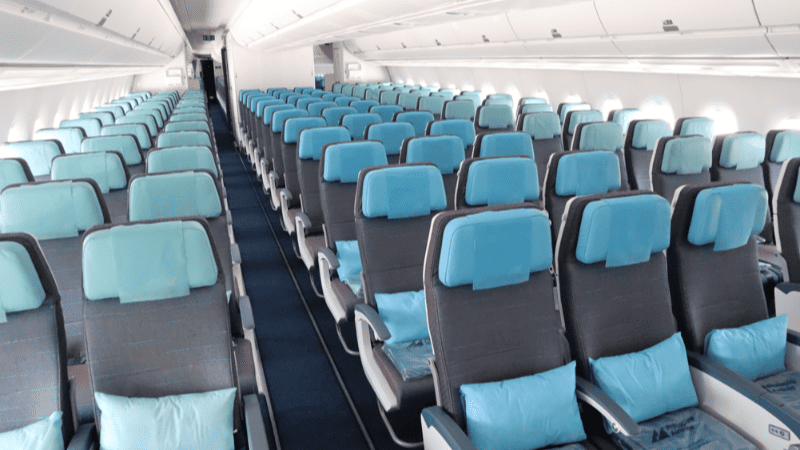
Airplane interior design is important for the following reasons.
Fuel Efficiency Optimization
Weight in the aircraft directly influences fuel consumption. By designing airplane interiors using lightweight plastics, metals, and composites, fuel efficiency can be improved with minimal operating costs.
Passenger Safety Assurance
Effective airplane interior design also helps ensure passenger safety. With it, the right materials that can resist or extinguish fire and eliminate harmful gas release can be selected.
Moreover, materials and designs must be impact-resistant to allow for safe landing and take-off.
Maximized Cabin Durability
It also allows aircraft interior engineers to design cabins that can withstand wear and tear from consistent exposure to luggage, passengers, cleaning, and pressure without degrading.
Regulatory Certification Compliance
Material used in airplane design must be certified. It must meet the required guidelines set by the Federal Aviation Administration and European Union Aviation Safety Agency. As such material used must go through thorough testing to ascertain fire, smoke, and toxicity limits and be traceable.
Material Selection Criteria for Airplane Interior Design

Selecting materials for airplane interior design involves following some criteria. Here are some points we look out for.
AS9100 Grade Traceability
Materials selected must be easily traceable to their source. AS9100 requires detailed documentation for material origins, history, and quality to ensure safety and reliability.
Corrosion Resistance Ratings
Material must also be resistant to corrosion caused by humidity, cleaning agents, rust, etc. This is to ensure that interior structural designs do not fail or be damaged even after long-term use.
Machinability and Tolerances
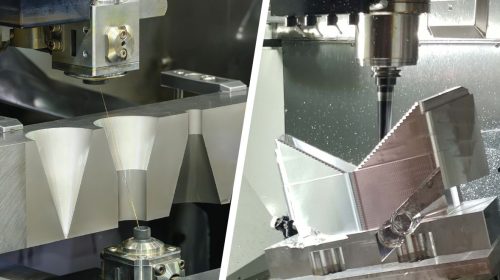
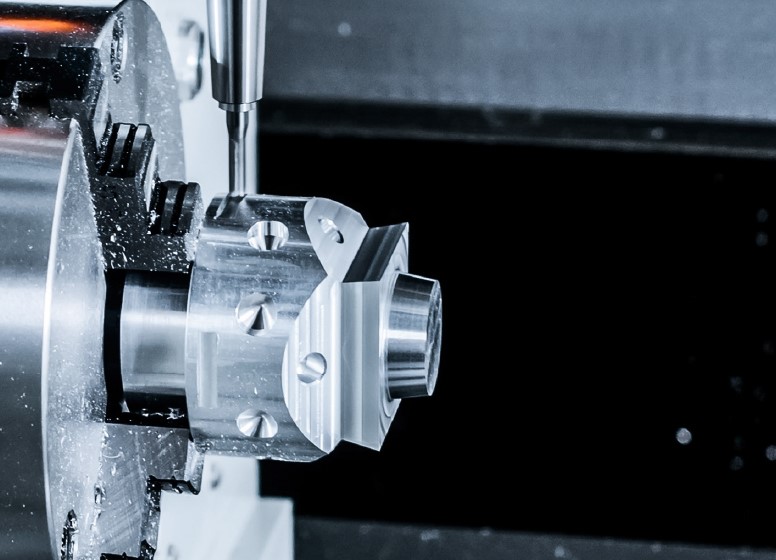
Airplane interior design often requires complex and intricate shapes. Materials with high machinability help ensure they can be easily formed with processes like CNC machining while also maintaining the required tight tolerances. Poor machinability causes more errors and failed assemblies, etc.
Thermal Stability Limits
Interior designs experience consistent temperature changes during long travels. As such, materials must be able to withstand this and maintain their strength without cracking or warping.
10 Materials Used in Airplane Interior Designs
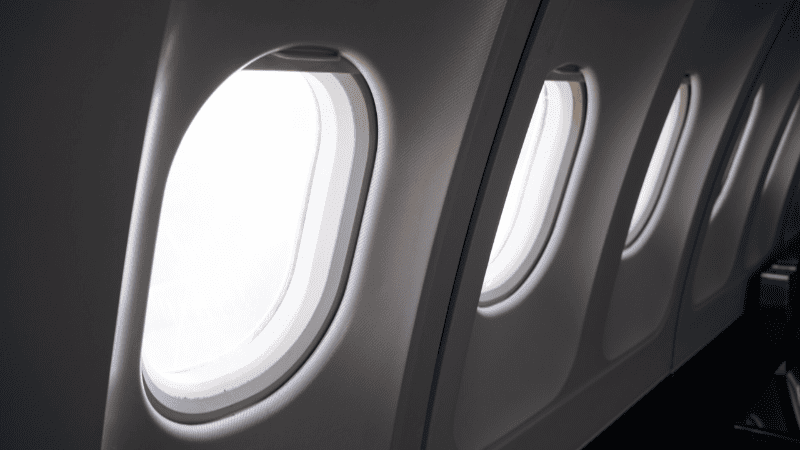
PC (Polycarbonate)
PC is valued in airplane interior designs due to its high impact resistance and transparency.
It’s commonly used for components like window panels and light covers, due to its excellent visibility. It offers great flame resistance and can be coated to enhance scratch resistance.
ABS (Acrylonitrile Butadiene Styrene)
ABS is known for its toughness, strength, and versatility. It can be easily formed, making it suitable for complex interior designs. It is cost-effective and suitable for parts like tray tables, seat backs, armrests, etc.
PPSU (Polyphenylsulfone)
This is a high-performance plastic with excellent chemical and thermal resistance. It is a highly durable material and can retain its properties even at extreme temperatures.
It doesn’t degrade even when exposed to consistent cleaning chemicals, and it is commonly used in galleys and lavatories, connectors, etc.
PEEK (Polyetheretherketone)
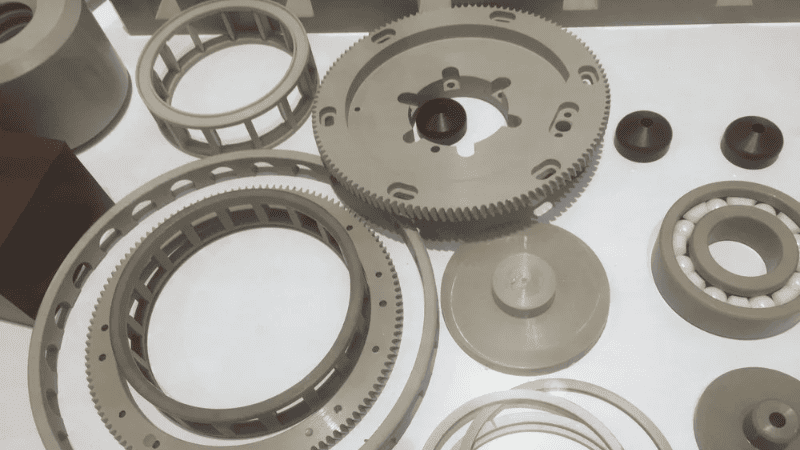
PEEK is another high-performance plastic offering an excellent strength-to-weight ratio. It’s popularly used as an alternative to metal, like steel, due to its strength.
It is highly durable, flame-resistant, and emits low smoke. It’s usually used in demanding applications like brackets, fasteners, etc., where great performance and longevity matter.
Ultem (PEI)
Ultem is valued in airplane interior design because of its strength, flame resistance, and low smoke emission. It retains its dimensional stability even when exposed to high heat.
The material naturally conforms with aviation fire safety standards without extra coatings or treatment and is used for components like seat frames, electrical connectors, and housings, etc.
Carbon Fiber Reinforced Polymer (CFRP)
CFRP is another valuable material known for its lightweight and high strength. It’s highly durable and relatively very stiff. It’s used for parts like seat structures, partitions, floor panels, etc.
It can withstand high humidity and can be machined into complex shaped part with precise machining.
Aluminum
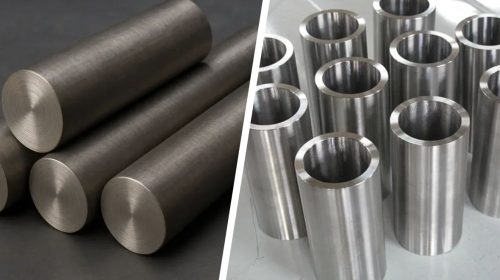
Aluminum offers a good strength-to-weight ratio, is corrosion-resistant, and can be easily machined. It’s commonly used for parts like seats and window frames, rails, etc. Aluminum can be anodized or coated to improve its strength and aesthetics.
Titanium
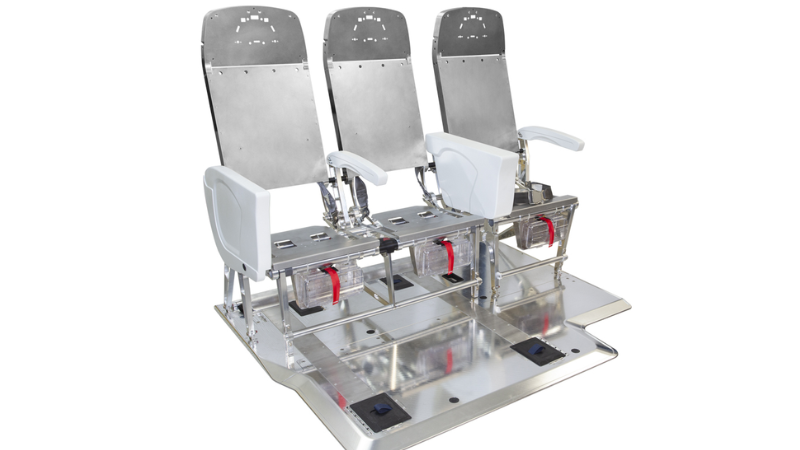
Titanium is widely known for its excellent strength-to-weight ratio. It also offers high corrosion resistance and the ability to withstand extreme heat and stress.
When durability, fatigue resistance, and longevity matter, titanium is a top material. As such it is used for fasteners in airframes, internal brackets, seat frames, etc.
Synthetic leather (PU or vinyl-coated)
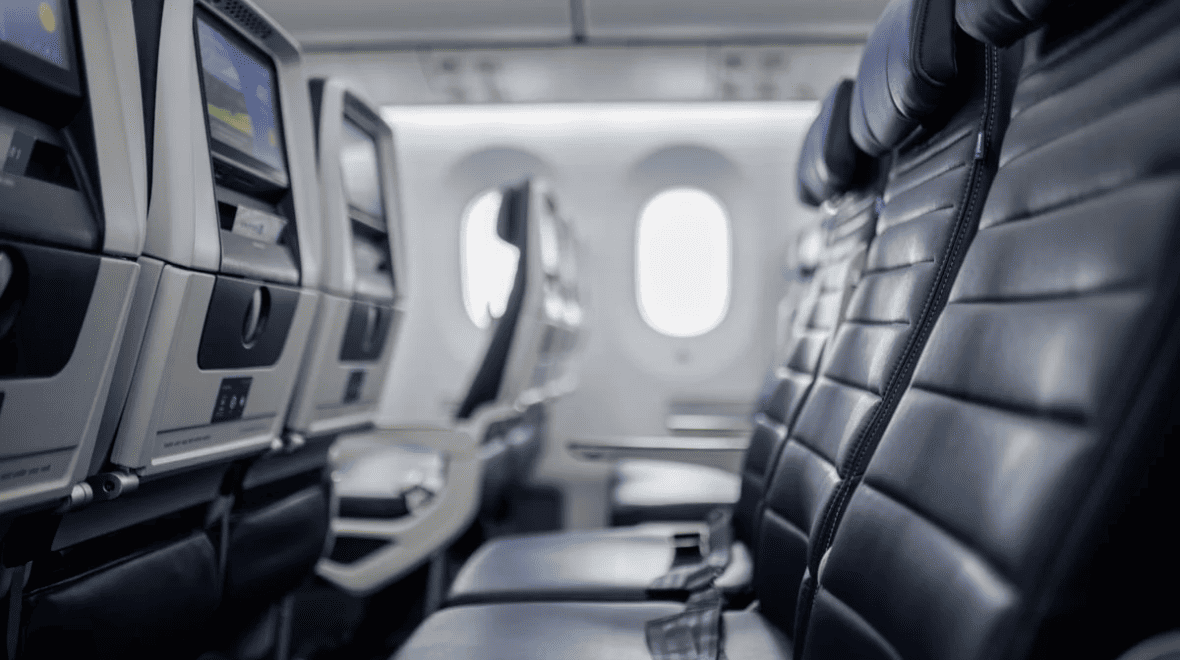
Synthetic leather is lightweight, fire-resistant, durable, and can be easily cleaned. They are popularly used for seat upholstery, including armrests and seatbacks in airplane interior design. They are relatively cost-effective and resist wear.
Coated Textiles and Laminates
These are used for sidewalls, ceilings, seat pockets, etc. They have fabric layers with extra coating to enhance durability and fire resistance. They offer aesthetic appeal and can be easily cleaned.
Airplane Interior Designs Safety Compliance, and Requirements

Here are some specific regulatory standards that must be adhered to when designing parts for the airplane interior.
FAR 25.853 Standards
This specifically provides requirements regarding the flammability of aircraft interior materials. It outlines regulations for flame spread, burn length, and self-extinguishing behaviour of materials.
As such, materials used for seat cushions, panels, etc., must be able to limit flame spread within a defined period to ensure safety.
FST Testing Protocols
Fire, Smoke, and Toxicity testing measures how a material behaves when exposed to fire. This includes smoke density, chemical composition, and toxicity of gases released. Aircraft interior engineers must thus ensure material selected passes FST testing.
Heat Release Rates
Heat Release Rates measure the level of heat energy generated when a material burns. Lower heat rates slow down the rate of fire spread and temperature rise and ensure passenger safety in emergency situations.
Smoke Toxicity Limits
Smoke toxicity limits requirements provide regulations that ensure materials used in interior designs do not emit toxic gases, such as carbon monoxide, hydrogen cyanide, etc., that are harmful to humans.
Weight Engineering for Airplane Interior Designs
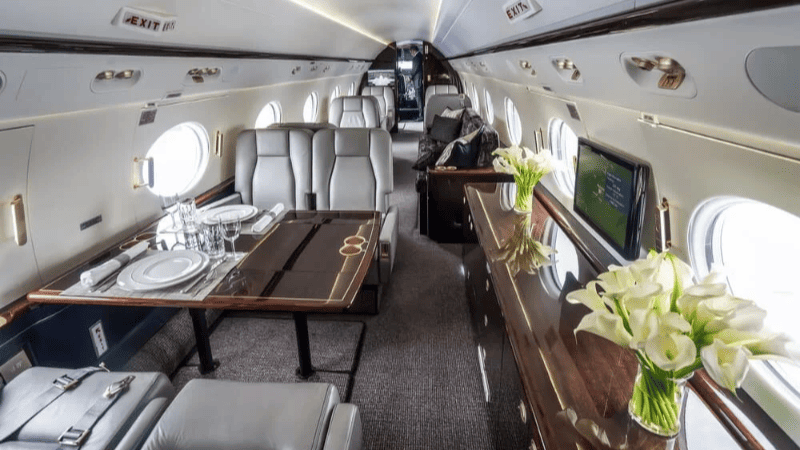
Airplane designs must aid weight reduction as much as possible. Here are specific weight engineering strategies for aircraft interior design.
High Specific Strength
Aircraft interior engineers usually look for materials with high specific strength. These are materials that are very strong but have low weight. They are important in helping reduce aircraft weight and fuel usage while enhancing performance.
Honeycomb Core Integration
Honeycomb structures used in cabin floor panels, side walls, partitions etc provides a rigid and firm design for aircraft components while minimizing weight and fuel consumption.
Thin-Wall Machining
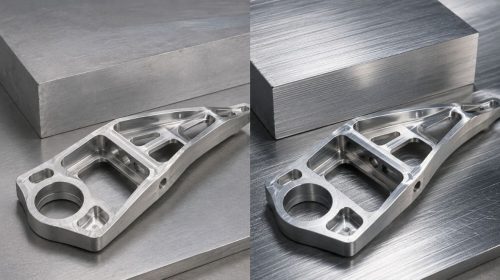
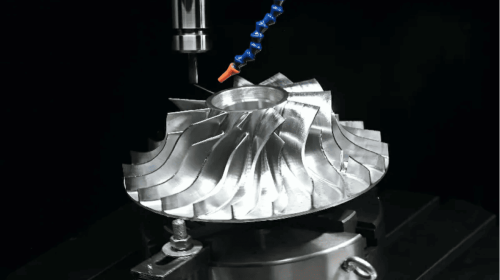
Advanced manufacturing processes like 5-axis CNC machining allow us to produce aircraft interior parts with thin walls. This helps eliminate all unnecessary materials and weight while ensuring tight tolerances.
Part Consolidation Tactics
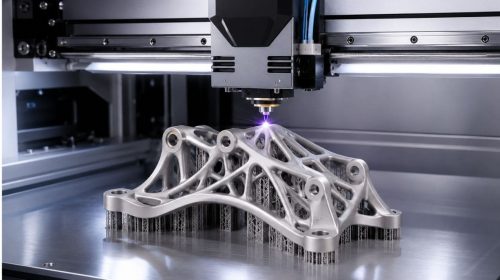
Instead of creating several parts to be assembled, modern airplane design is combined into one complex unit that can be formed with methods like 3D printing. By reducing multiple components, the overall weight is reduced while enhancing reliability.
Conclusion
From high-performance plastics and metals to CFRP, etc, aerospace materials play a vital role in ensuring passenger safety and comfort, improving fuel efficiency, and guaranteeing long-term part performance.
Ready to bring your aircraft design project to life? AeroCNCParts is your reliable go-to partner. We offer precise and high-quality aerospace interior components across the world. We are ISO 9001, AS9100, and NADCAP approved, and our production process follows 100% inspection and traceability. AeroCNCParts gives a fast turnaround time within 4 to 7 working days, and we offer no minimum order quantity. Contact us now.

Robert
Robert specializes in the mechanical properties and thermal resistance of aerospace metals and high-performance plastics. He has extensive experience with flight-grade materials, including Aluminum 7075, Titanium (Ti-6Al-4V), Inconel, and PEEK. He optimizes machining strategies for difficult-to-process materials to ensure structural integrity under extreme conditions.