Surface Finishing Requirements for Aerospace-Grade Components
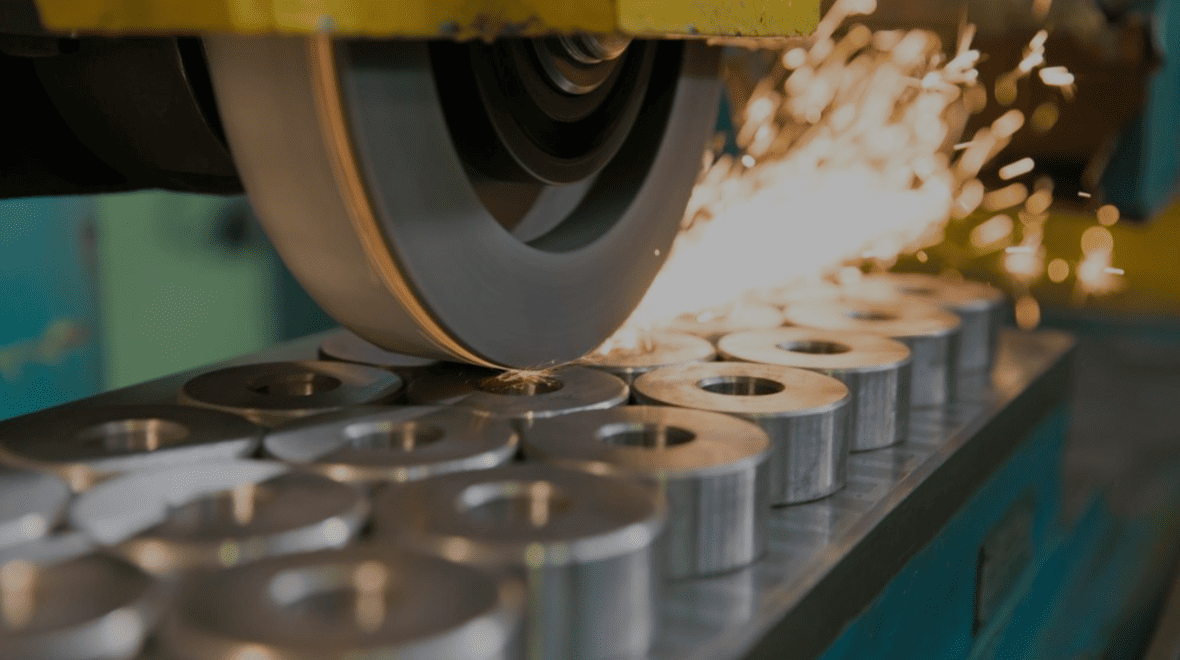
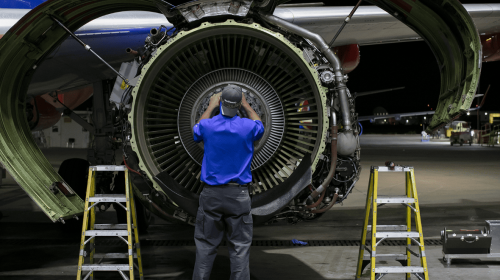
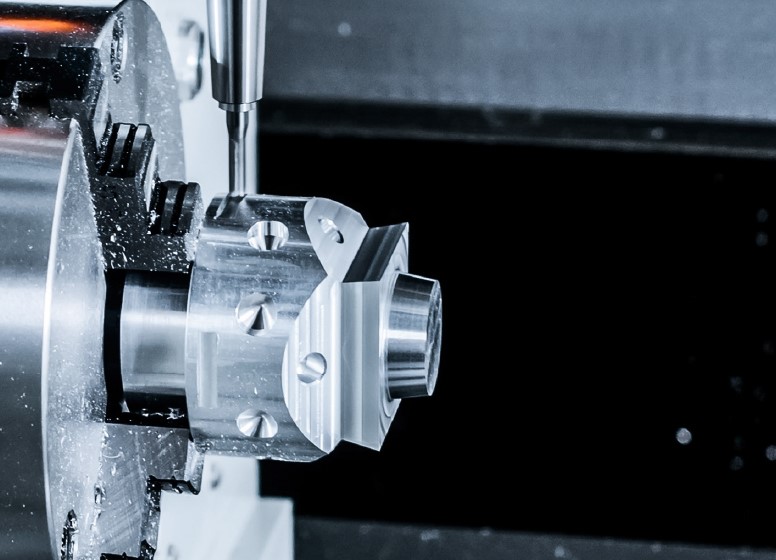
Compared to many other sectors, surface finishing requirements for aerospace-grade components are much more critical. These finishing treatments directly influence the part’s ability to survive intense aircraft environments and contribute to the safety and performance of the aircraft.
As such, it must be done with caution and follow full inspection and testing. Let’s read on to explore available surface finishing techniques, standard surface finish measurement methods, material-specific finishing considerations, and much more.
What are Aerospace-Grade Components?
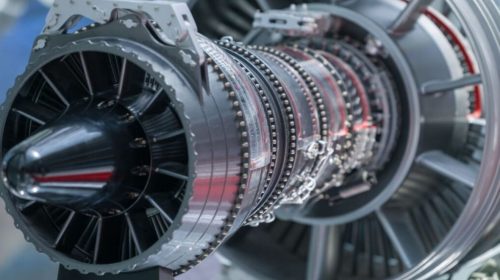
Aerospace-grade components are specialized parts or structures designed for use in the aerospace industry, including spacecraft and aircraft.
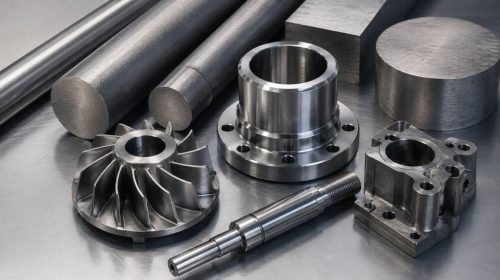
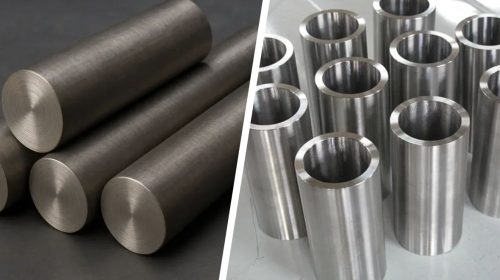
They are components made from high-performance, high-strength, and lightweight alloys, including titanium, Inconel, aluminum, and PEEK, among others.
Aerospace-grade components are distinct from several other industry parts in that they must be made with accurate precision, inspection, and surface treatment to ensure safety and reliability even in severe flight conditions.
As such, they are made to withstand extreme temperatures, vibration, corrosion, and other environmental factors.
Aerospace Industry Standards and Regulations
Specific regulations and standards must be met when applying surface finishes for the aerospace industry.
AS9100
AS9100 regulations build upon ISO 9001 standards, incorporating additional specific rules tailored to the aircraft industry.
It is a quality management standard that ensures every machining and finishing procedure complies with the industry’s safety and reliability needs.
It ensures accurate procedure control, traceability, and risk management for many surface finishing techniques.
ISO 9001
ISO 9001 is an international standard for quality management systems that focuses on effective process control and customer satisfaction.
This system ensures that finishing procedures follow adequate documentation and inspection. It ensures manufacturers take preventive and corrective measures, and take steps to identify finishing defects
NADCAP
NADCAP is an accreditation programme specific to the aerospace sector. This program manages and provides regulations for special finishing processes, including anodizing, plating, and chemical conversion coating.
Moreover, they verify and audit that the company’s finishing process aligns with aerospace requirements.
AMS ( Aerospace Material Specification )
AMS provides standards for aerospace-grade material and its surface finishing methods. They provide regulations for finishing parameters, including coating thickness, testing techniques, post-treatment procedures, etc.
They provide standards for how finishing processes, including anodizing, plating, passivation, etc, should be carried out.
Key Surface Texture Parameters
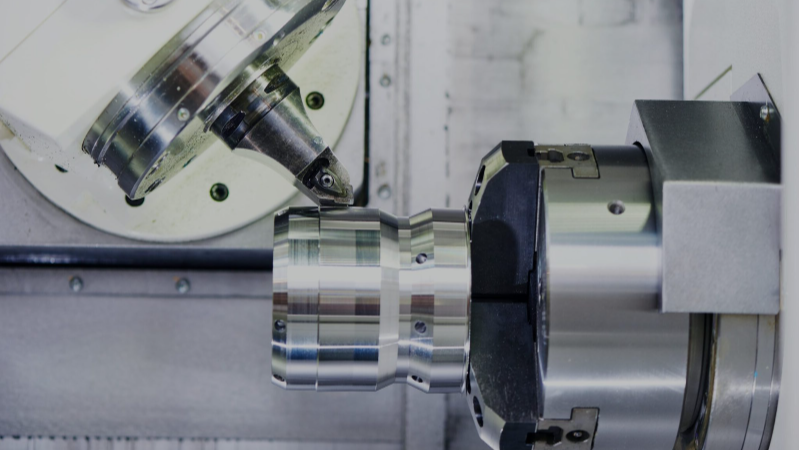
There are specific measures or parameters used to determine the condition of a component that has undergone a finishing treatment. Here are a few key surface texture parameters we use.
Roughness Average
This is a common surface texture parameter that typically measures the roughness of a finished surface. It is represented as Ra, and its value indicates the average roughness of the overall height measured along a surface.
A low Ra value usually indicates that a part is smooth, while a high Ra value indicates it is rough. As such, the finish must not be too rough to prevent cracking, and it mustn’t be too smooth to allow for coating or other treatment methods.
Maximum Peak-to-Valley Height
This is represented as Rz, and its value represents the length between the maximum peak and the deepest valley.
Rz detects hidden surface defects more effectively than Ra, and it is typically used for aerospace parts that must fit and align properly to function correctly.
Common Surface Finish Measurement Methods
Varying measurement techniques, as outlined below, help us verify if surface finishing requirements for aerospace-grade components have been met.
Contact Profilometers
In this method, we ascertain the surface texture of a finished part by using a tool called a stylus. This tool makes contact with the part by moving through it to determine its surface roughness values.
This measurement technique is commonly used in the aerospace industry due to its accuracy and repeatability. However, caution must be taken to prevent delicate finished parts from cracking.
Non-Contact Optical Profilers
Non-contact tools allow us to measure certain finished parts without the component coming into contact with the measuring tools and machines.
This method utilizes a light-based system, such as a laser scanner, to measure the surface texture or roughness of a part.
Optical profiling is a highly precise method used for high-resolution 3D and other intricate shape measurements. Moreover, it is also suitable for delicate and thin-coated structures.
Visual Inspection
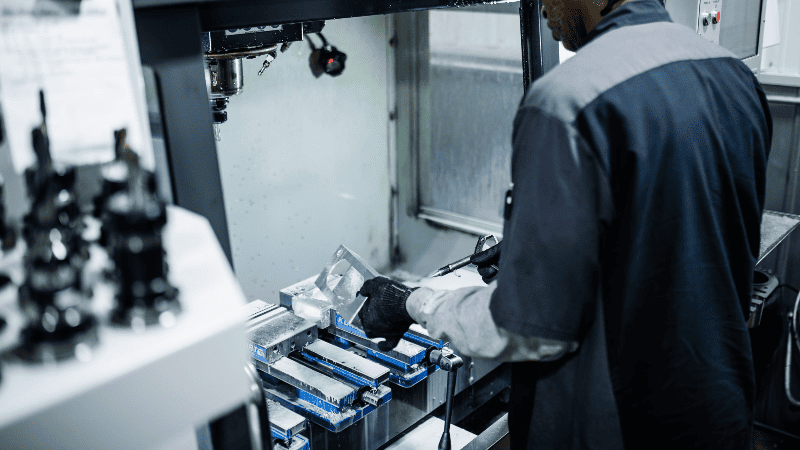
This is the first technique we use on the finished part as a preliminary check. Although it doesn’t involve many tools or quantitative measures, it allows us to detect apparent defects quickly before other methods are used.
And usually, we utilize regulated lighting and magnification for effective visual inspection. Any defect noted undergoes further inspection and measurement.
Common Finishing Processes for Aerospace-Grade Components
Many surface finishing methods are suitable for aerospace-grade components. Here are some of the things we use.
Chemical Conversion Coatings (Chem Film)
This is a finishing method that involves applying a thin film layer to metal surfaces. It is achieved through a chemical reaction process and improves the part’s resistance to corrosion and prepares it for further adhesive applications.
It is significantly cheaper than anodizing and is ideal for parts that must maintain a required thickness and tolerance level.
Anodizing
We typically use this method on the aluminum part. Anodizing is an electrochemical process that helps provide a protective oxide surface finish on a component. This oxide finish is valuable as it strengthens the part and enhances corrosion and wear resistance.
Type I (Chromic Acid)
This type of anodizing enables us to utilize chromic acid to create a thin layer on a component surface. It all improves part resistance to corrosion and is specifically suitable for structures that must survive intense fatigue.
Type II (Sulfuric Acid)
Type II uses sulphuric acid to provide a thicker finish. It also improves durability and corrosion resistance, while providing extra aesthetic appeal by allowing for coloring or dyeing. Type II is commonly used for aerospace structural parts and interior components.
Type III (Hardcoat)
Type III provides a tough oxide finish, making the part highly resistant to corrosion and wear. Hard coatings are usually very thick but much more durable than other types. It provides more protection and strength rather than aesthetics.
Passivation
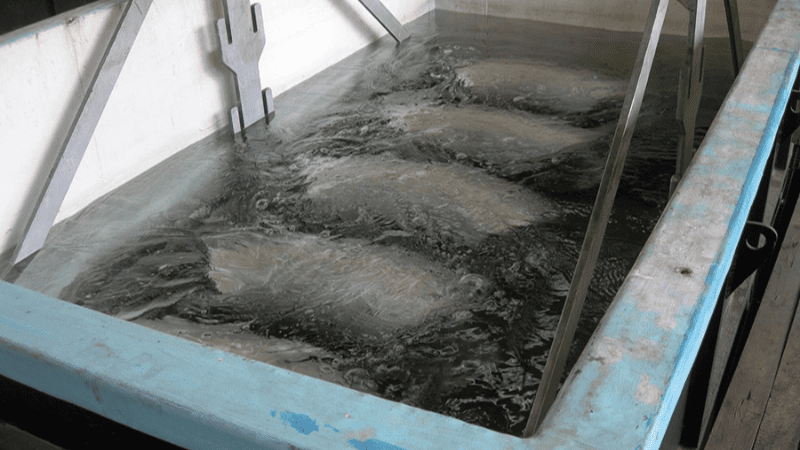
Passivation is another finishing technique that improves metal corrosion resistance by eliminating reactive particles from its surface.
The process helps the parts to become non-reactive or passive by providing a thin oxide layer. It also removes dirt and unwanted agents without affecting the tolerance level of the aerospace structure.
Electropolishing
Electroplishing is another essential surface finishing technique we apply. This process utilizes an electrochemical method to smooth and brighten a metal surface.
The process involves carefully removing microscopic-level material from a part to reduce roughness while achieving a clean, deburred, and contaminant-free part.
Media Blasting
This uses an abrasive medium to clean and smooth a part’s surface. It is often used to remove paint, rust, or other unwanted particles and to prepare a part for coating. Media blasting, however, is done carefully to prevent the risk of surface damage or other defects.
Brushed or Polished Finishes
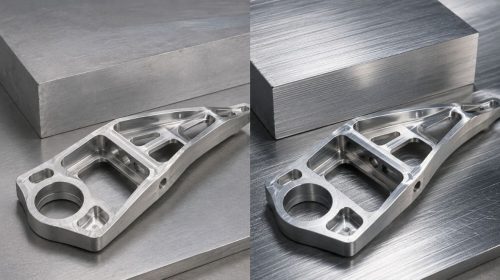
Brushes and polished finishes also enhance the appearance of a part by smoothing and eliminating surface roughness.
Polishing also uses an abrasive medium to remove unwanted surface particles and achieve a shiny, mirror-like finish.
Brushing is typically performed with abrasive brushes to achieve a fine, matte finish. However, both methods must be performed carefully to avoid altering precision.
Vapour Smoothing
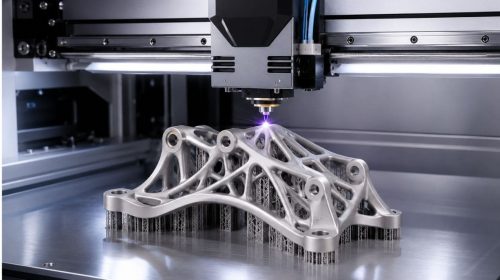
This process is primarily applied to 3D printed aerospace components, utilizing regulated vapour solvents to smooth the component’s surface.
It is commonly used on thermoplastic, and it gives a shiny, semi-glossy finish. It doesn’t remove material from a surface, and as such, tolerance is usually preserved.
Dyeing and Colouring
Dyeing and colouring are also treatment techniques used to apply a variety of colours and tones to a part. They specifically improve part appearance and can be used for identification purposes.
To utilize dyeing in aerospace, the specific dye used must be able to withstand UV and chemical exposure while remaining durable.
Powder Coating
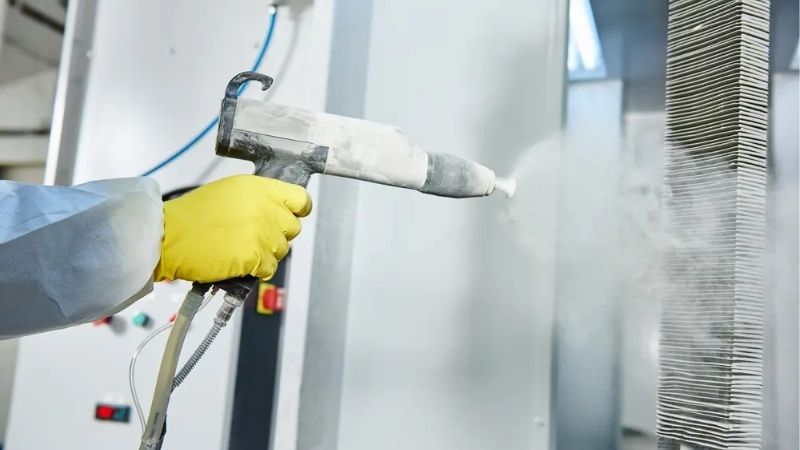
In powder coating finishing, a dry electrostatically cured powder is applied to the part surface to create a thick, durable layer.
Powder coating helps strengthen parts while also enhancing their resistance to UV, corrosion, stress, and other severe flight conditions. In aerospace, it is typically used for interior units, ground support tools, and other applications.
Plating
Plating is a treatment method that involves applying a thin layer of metal to another material to enhance its durability, corrosion resistance, and electrical conductivity.
The metals used in plating include nickel, chromium, cadmium, and others. It can be carried out through an electric medium, known as electroplating, or through chemical reactions, referred to as electroless plating.
Specialized Coatings
Some specialized coatings are also applied to aerospace parts as required.
Dry Film Lubricants
This is applied on a component surface to provide coatings that reduce friction. They improve the performance and longevity of parts by providing resistance against wear
Thermal Spray Coatings
In thermal spray coating, materials are heated and applied to a part’s surface to create a hard, durable layer. This layer protects the part against corrosion, extreme temperature, etc
Preventing Manufacturing Defects
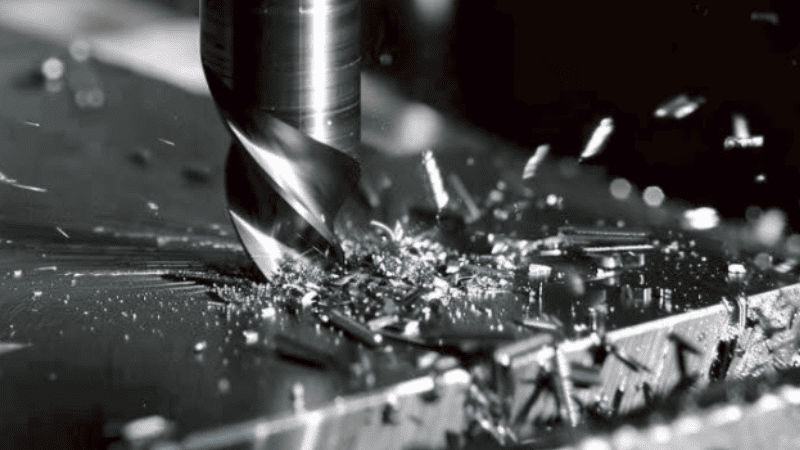
Specific surface finish processes can often introduce defects to a component if not appropriately managed. Here are a few ways to prevent manufacturing defects.
Avoiding Residual Stress
Specific machining and finishing processes, including grinding, coating, blasting, etc, can often lead to the accumulation of stress in machined parts.
This residual stress can lead to cracking or damage and must be prevented. As such, we control machining and finishing parameters and utilize stress-relief treatments to eliminate stress buildup that might affect aerospace structures.
Preventing Hydrogen Embrittlement
Hydrogen embrittlement occurs when certain metal materials absorb hydrogen atoms, rendering them less ductile and more brittle, thereby increasing their susceptibility to cracking and breakage.
This makes the machined part less resistant to stress, vibration, and other severe conditions. Specific finishing processes, like electroplating, often expose metal, including high-strength steel and titanium, to hydrogen embrittlement.
With that, we ensure that this finishing process is controlled, introduce post-process baking, and conduct thorough testing and inspection to ensure its quality.
Deburring and Edge Radii
With deburring, we also eliminate unwanted particles and materials from the part surface. We also ensure that edges remain within the required range and radii.
These help improve part fatigue and wear resistance, prevent stress accumulation, and ensure accurate assembly of parts.
Material-Specific Finishing Considerations
Surface finishing requirements for aerospace-grade components vary depending on the type of material or alloy used.
Aluminum Alloys
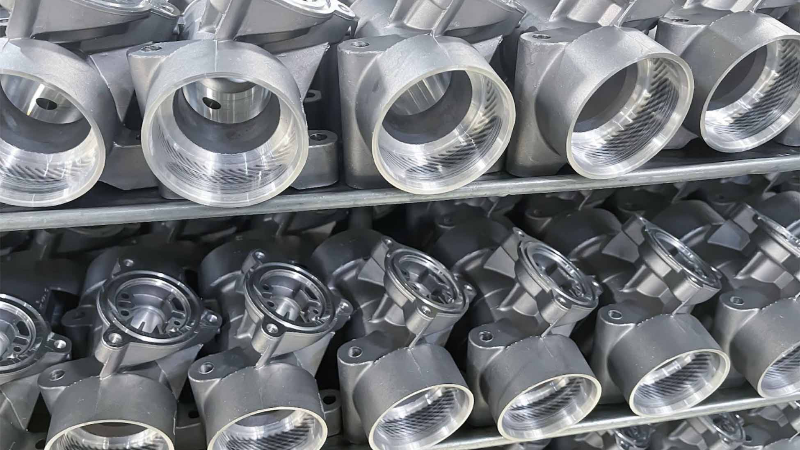
Aluminum is one of the most widely used metals in the aerospace industry. It offers an excellent strength-to-weight ratio, as well as durability and corrosion resistance.
Specific finishing techniques suitable for aluminum alloys include anodizing, chemical film, dyeing, and coloring. These finishing processes help enhance part durability and resistance against extreme flight conditions.
Titanium Alloys
Titanium is also widely utilized in the aerospace industry due to its low weight, high strength, and corrosion resistance.
Some of the finishing techniques applicable to titanium components include passivation, electropolishing, thermal spray coating, and dry film lubricant, among others.
These finishing treatments help improve resistance to harsh environments, eliminate contaminants, and control friction.
High-Strength Steels
High-strength steels are also used due to their extreme toughness and durability. They are utilized explicitly in applications where resistance to fatigue and load matters.
Passivation, electroplating, conversion coatings, and dry film lubricant are some of the finishing methods we use here. These treatments help enhance fatigue and corrosion resistance.
Conclusion
Surface finishing requirements for aerospace-grade components are a critical aspect of manufacturing. From ensuring accurate surface texture measurement to applying the proper finishing techniques, these processes are vital for meeting the safety, performance, and reliability needs of the aircraft.
When you require an effective and reliable manufacturer that can complete your machining and finishing project with a fast turnaround time, we are AeroCNCParts, your go-to partner. We’ve been serving customers worldwide for the past 20 years, delivering high-quality, precise aerospace parts.
Our process adheres to strict inspection and traceability protocols, ensuring compliance with AS9100, ISO 9001, and NADCAP standards.

Ethan
Ethan focuses on advanced surface treatments, including chemical conversion coating (Alodine), hard anodizing, and passivation. He understands how specific finishes impact corrosion resistance, aerodynamic performance, and durability in harsh flight environments, ensuring every part is fully compliant with aerospace specifications.