What is an Aerospace Actuator: All You Need to Know
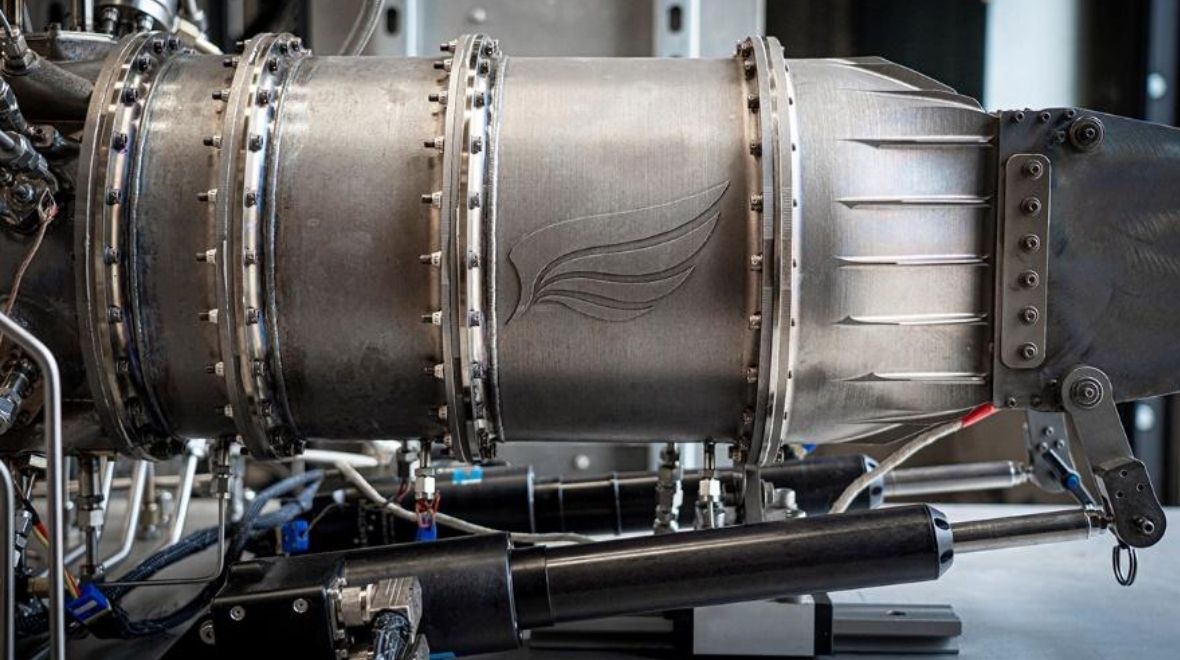
Aerospace actuators are essential components required for various aircraft systems, including flight control systems, engine units, gear assemblies, and brakes, among others, to function reliably.
They aren’t only valuable for generating motion, but they also help ensure safety and enhance efficiency. This simple guide explains all you need to know about aerospace actuators.
What is an Aerospace Actuator?
An aerospace actuator is a delicate component of an aerospace system that transmits or converts electrical, hydraulic, pneumatic, and other energy sources into motion.
It helps generate movement through energy from compressed air, fluid, and electricity. Actuators come in varying sizes and are capable of performing a range of functions, from basic to complex.
They enhance the performance of several aircraft components, including engine turbines, brake systems, gear parts, wings, and other complex assemblies.
How Do Aerospace Actuators Work?
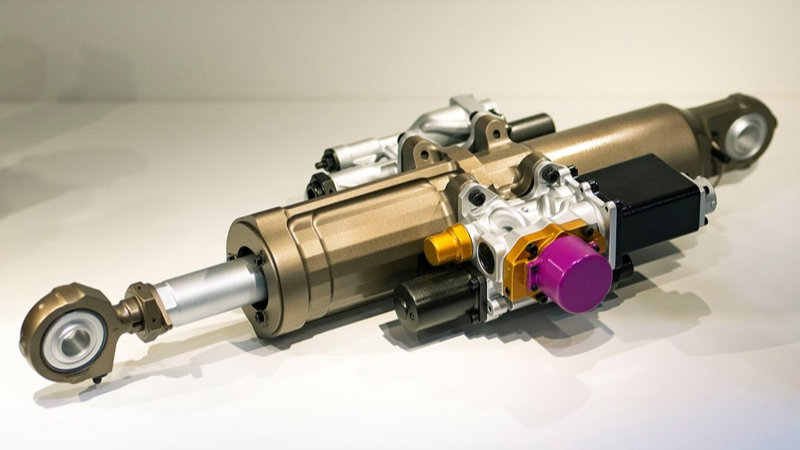
An aerospace actuator operates by receiving a signal or instruction from the aircraft’s control system to assist motion in a specific component or unit. It then acts to support movement by applying energy from an electrical, hydraulic, or pneumatic source.
This energy is converted into motion with the help of actuator parts, such as screws, pistons, and motors, causing the specific component or system to move, slide, push, or pull.
Due to the actuators’ crucial function, aerospace manufacturers ensure that they are made precisely, durably, and lightweight to withstand extreme flying conditions and enhance longevity.
Types of Aircraft Actuators
Linear Actuators
Linear actuators are one of the most common types of actuators, and they work by converting rotary motion into linear motion. They can cause push, pull, or slide movement. They are usually used in gear assemblies and wing flap units.
Hydraulic Actuators
This utilizes compressed fluid to generate power and cause motion. Although they are very lightweight, they are one of the most powerful types as they can transmit a significant amount of pressure to cause motion.
They are valued in aircraft as they work without electricity, are simple to manage, and do not consume much space. Some of their aerospace practical use cases include gear components and wheel brakes.
Solenoid Actuators
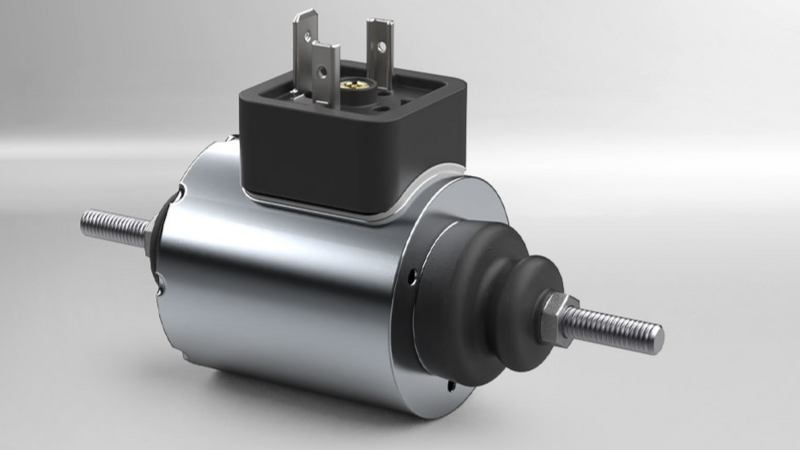
Solenoid actuators support motion by converting electrical energy into mechanical energy. They are quite versatile, easy to install and use, and are found in simple applications such as opening and closing valves, moving doors, latches, and switches.
Cowl Flap Actuators
Cowl flap actuators can be operated manually, automatically, or through an electromechanical device.
These actuators are used to cause motion (opening and closing movement) in a cowl flap or engine covers, enabling airflow within the aerospace engine and resulting in a cooling effect.
Wastegate Actuators
This also enables an open and closed movement to allow the free passage of exhaust gases, thereby regulating pressure within the turbocharger systems.
They can also be handled manually or electromechanically. Additionally, some types of waste actuators operate through compressed air and fluid mechanisms.
Trim Tab Actuators
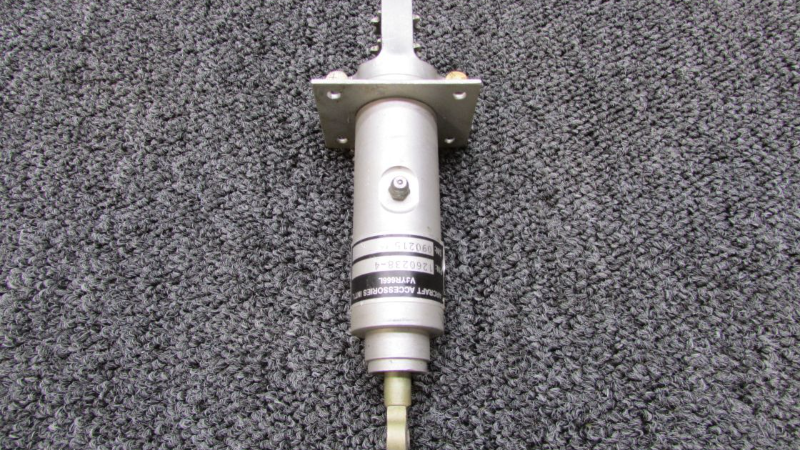
These regulate the angle of the trim tabs of the aerospace wings. They help ensure that the airplane is balanced when flying by managing the force of airflow.
Advantages of Aerospace Electromechanical Actuators
Some benefits of aerospace electromechanical Actuators are outlined below:
Lightweight
Electromechanical actuators generally have lighter-weight components than other types of actuators. This way, the aircraft can maintain a balanced low weight, thereby reducing fuel consumption.
Compact
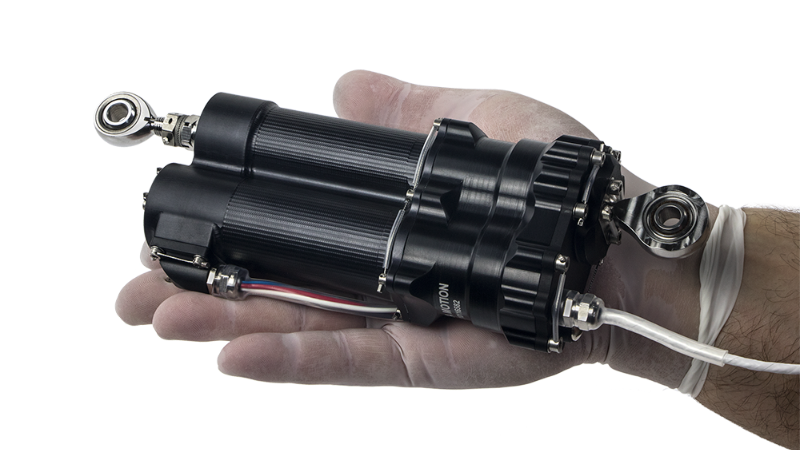
They are usually more compact than other types, which means they consume less space while generating the same level of force as others.
Precise
They also require a high level of precision to work on or operate, and as such, they ensure optimal functioning in the aerospace system.
Energy Efficient
They require less energy usage or consumption compared to hydraulic or pneumatic actuators.
Low Maintenance
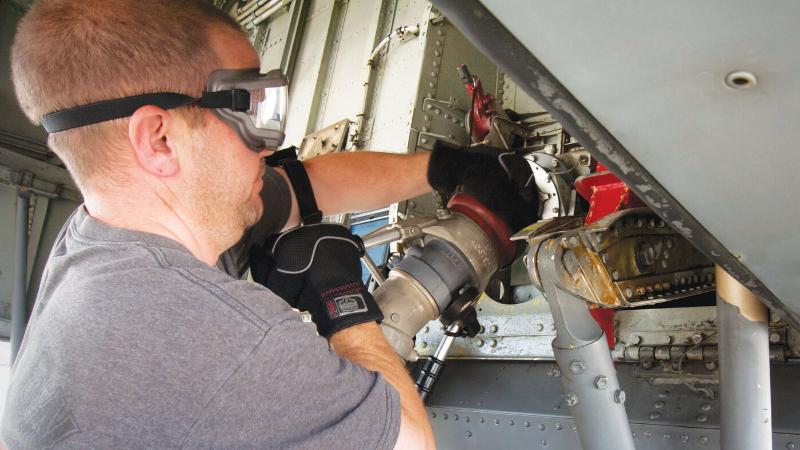
Electrochemical actuators usually have simple designs with fewer components. Moreso, they do not require compressed air or fluid to work. This makes them a lot easier to handle and cheaper to maintain.
Common Aerospace Applications
Here are specific parts within the aircraft that use actuators:
- Landing gear
- Flaps, elevators, slats
- Throttle control
- Thrust reversers
- Autopilot control
- Winch and gimbal system
- Engine and fuel system
- Cabin system
High Quality Aerospace Actuators from AeroCNCParts
AeroCNCParts is a leading manufacturer in the aerospace industry. With our team of experts and technological machines, we manufacture several durable, reliable, and precise aircraft structures, including the actuator.
Our processes adhere to strict NADCAP and AS9100 standards, ensuring 100% inspection. No matter where you are, we deliver swiftly and efficiently. Get a free quote today.
Conclusion
Aerospace actuators are essential since they ensure different structures within the aircraft function efficiently by generating motion. Not only that, they help maintain optimal safety and protection.

Kim
Kim oversees engineering operations, including complex process planning, DFM reviews, and solving challenges associated with high-precision aerospace parts. He specializes in strict tolerance control and machining complex geometries essential for avionics, turbine components, and structural frames. Outside of work, he enjoys the precision and strategy of playing snooker.