What is NADCAP Certification: All You Need to Know

NADCAP certification is a highly valued accreditation program within the aerospace and defense sector that helps maintain the quality and effectiveness of products and services rendered by organizations within the industry.
If you are wondering what is NADCAP certification or how to go about obtaining one, this guide provides all you need to know. Now let’s get started.
What is NADCAP Certification?
NADCAP certification, which stands for National Aerospace and Defense Contractors Accreditation Program, is a specialised industry-related accreditation program that covers the aerospace and defense sector.
This certification helps ensure that specific processes within the aerospace and defense industry are carried out following required standards.
It also helps maintain the quality, effectiveness, and reliability of products and services offered by organizations within these sectors.
For Which Industries and Companies Is NADCAP Relevant?

NADCAP is relevant to the aerospace and defense sector. It is a specialized program designed to assess the quality and effectiveness of components, products, and services provided by companies within the aerospace and defense industry.
It primarily focuses on the product manufacturing process, testing, and maintenance.
Types of NADCAP Certifications
Here are the types of NADCAP certifications to note:
Aerospace Quality Systems (AQS)
This helps ensure that manufacturers in the aerospace industry provide adequate quality assurance measures. It focuses on ascertaining if suppliers comply with industry standards like AS/EN9110, ISO 17025, etc.
As such, companies within the aerospace industry that either design or supply components must obtain AQS certification.
Aerostructure Assembly (ASA)
This certification is usually required by companies involved in the assembly of aircraft systems. It encompasses procedures involved in the installation, integration, and bonding of aerospace structural parts like airframes.
Chemical Processing (CP)
Chemical processing certification provides guidance for the usage and treatment of chemicals within the aerospace manufacturing industry.
It ensures suppliers within the aerospace industry follow adequate standards when involved in chemical processing activities like plating, anodizing, and other surface finishing treatments.
Coatings (CT)
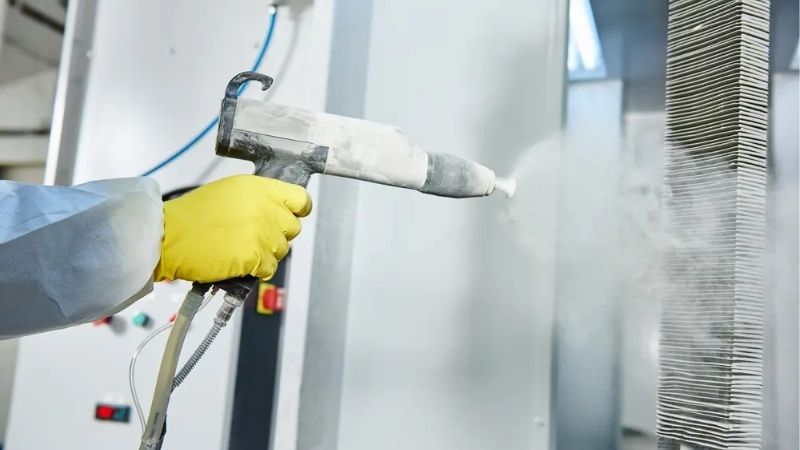
This is also required by suppliers as they apply coatings to components supplied. Whether a manufacturing company carries out thermal spray, powder coating, or other coating methods, this certification needs to be acquired.
Composites (COMP)
This certification ensures that suppliers that use composite materials for the production of aerospace components follow strict rules guiding the usage and machining of composites. It entails processes like curing, machining, bonding, etc.
Conventional Machining as a Special Process (CMSP)
CMSP ensures that manufacturers using conventional machining methods, like turning, milling, and drilling, follow the required standards.
It ensures manufacturers have the needed equipment, tools, and systems to produce high-quality, precise components.
Elastomer Seals (SEAL)
This certification is to be obtained by the manufacturer of elastomeric seals used in aircraft systems. It ensures that the design, production process, properties, and performance of elastomer seals meet the required standard.
Electronics (ETG)
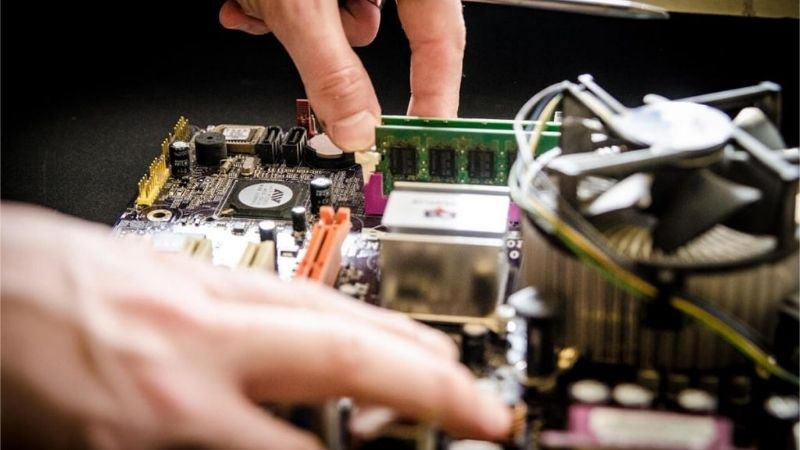
ETG must also be obtained by suppliers who are involved in the production of electronic aerospace components.
Companies also involved in integrating and testing these components must also get the certification. ETG helps ensure that electronic aerospace components are of good quality and efficient.
Fluid Distribution (FLU)
FLU pertains to the manufacturing, installation, and testing of fluid distribution systems within the aerospace industry. The certification ensures that FLU components, like hydraulic and lubrication systems, and so on, are reliable and effective.
Heat Treating (HT)
This is to be obtained by companies involved in heat-treating services within the industry. This includes heat treatment methods like tempering, quenching, etc.
Materials Testing Laboratories (MTL)
MTL is obtained by laboratories that analyse material used within the aerospace sector.
This certification ensures that laboratories involved in material testing, like metallurgical analysis, mechanical testing, etc, have the required facilities, specialists, and quality control measures needed to evaluate materials.
Measurement and Inspection (M&I)

This certification helps manufacturers stay in compliance in terms of the measurement and inspection techniques applied during production.
It focuses on calibration, dimensional inspection, and other measurement standards.
Metallic Material Manufacturing (MMM)
MMM focuses on the processing of metallic materials within the aircraft industry, from machining to casting and forging. It helps ensure that the manufacturer produces high-quality metallic material.
Non-Conventional Machining and Surface Enhancement (NMSE)
NMSE is obtained by suppliers and manufacturers to enable them to carry out some unique non-conventional machining processes and surface treatments like laser machining, shot peening, surface coating, etc.
Non-destructive Testing (NDT)
Non-destructive testing in the aerospace industry helps in identifying and analysing faults and irregularities in a component without causing damage.
Companies involved in carrying out NDT techniques like radiography, eddy current testing, etc, must therefore obtain this certification.
Non-Metallic Materials Manufacturing (NMMM)
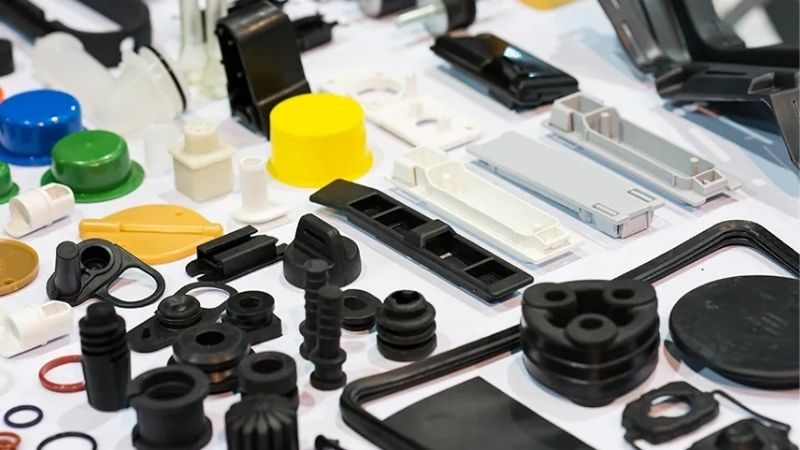
This certificate helps ensure that the manufacturer who machines and processes non-metallic materials like plastic, composites, ceramics, etc, produces high-quality, durable materials that align with NADCAP standards.
Non-Metallic Materials Testing (NMMT)
This certification helps ensure that laboratories involved in testing and analysis of non-metallic materials meet strict standards. NMMT techniques involved include thermal analysis, mechanical testing, etc.
Sealants (SLT)
SLT certification is required by companies involved in the manufacturing of sealants used in the aerospace industry. This certification helps ensure that the manufacturer produces effective and reliable sealant that meets industry standards.
Welding (WLD)
This pertains to the welding operations carried out in the aerospace manufacturing sector.
It covers many welding techniques used, including gas tungsten arc welding, resistance welding, etc. It helps ensure that high-quality, durable welds that meet industry standards are produced.
The NADCAP Audit and Accreditation Process

To go through the NADCAP audit and accreditation process, you would need to follow the steps below.
- First is to indicate interest in audit and accreditation by submitting an application to NADCAP. You would be required to provide information on the particular processes for which you require accreditation, including information about your company and its activities.
- As the supplier, you would need to reach an agreement with the prime contractors about the specific audit criteria and standards that would be strictly followed throughout the process.
- Prime contractors will then inform you of the need to be NADCAP accredited before approval, and as such, you would seek accreditation.
- You would pay for a special process audit. NADCAP certification cost might vary depending on the particular process and the number of processes.
- PRI assigns auditors who will visit your workshop and carry out auditing following the standards or checklist required.
Next, the auditor records their findings, including where your company needs adjustments. You will be made to know these areas of improvement and given a chance to improve. Once an issue is identified, you need to take measures to correct the problem. This will help your company ensure that it’s in conformity with the requirements of the checklists.
- The auditor checks to see if you’ve made necessary corrections. This would also be documented.
- The auditor then reports to the PRI, analyzing their findings and providing all the documentation. The PRI reviews the information provided to ensure the audit process is accurate and the corrective measures taken by the company are effective.
- PRI also assesses if your company’s scope of work conforms to industry standards.
- Following that, PRI decides if NADCAP accreditation will be granted or not. If your company meets the standard for the specific process, then NADCAP accreditation will be granted.
- Ongoing monitoring by NAPCAP will also be done at intervals to ensure your company stays in compliance with the standard.
How to Prepare for an Audit?

To prepare for an audit, you should go through the relevant information materials provided by NADCAP. Here are some of them.
Audit Check Sheets
NADCAP provides a comprehensive audit check sheet through its eAuditNet website. This outlines all the special processes and sub-processes together with their checklist or standards
Pre-Assessment Audit
You can also request a pre-assessment audit. This allows you to quickly identify any non-conformity earlier before the actual audit process and, as such, make improvements.
Training
NADCAP also provides training on many topics to prepare companies for the audit and accreditation process. These include topics like how to prepare for an audit, steps to carry out the internal auditing process, and so on.
List of NADCAP Auditable Special Processes
For every NADCAP certification process to be assessed, there are specific audit criteria that must be met to ensure the audit process is effective and consistent. Here are the lists of the NAPCAP certification process and its checklist:
| Number | Special Process | Standards/Checklists |
| 1 | Aerospace Quality Systems Standards | AS/EN/JISQ9100, ISO 17025 |
| 2 | Chemical Processing | AC7108 |
| 3 | Coatings | AC7109 |
| 4 | Composites | AC7118 |
| 5 | Conventional Machining as a Special Process | AC7126 |
| 6 | Elastomer Seals | AC7115 |
| 7 | Electronics | AC7119, AC7120/AC7121 |
| 8 | Fluid Distribution System | AC7112 |
| 9 | Heat Treating | AC7102 |
| 10 | Materials and Testing Laboratories | AC7101 |
| 11 | Measurement and Inspection | AC7130 |
| 12 | Non-Metallic Materials Testing | AC7122 |
| 13 | Non-Metallic Materials Manufacturing | AC7124 |
| 14 | Non-destructive Testing | AC7114 |
| 15 | Non-Conventional Machining and Surface Treatment | AC7116, AC7117 |
| 16 | Sealants | AC7200/1, AC7202 |
| 17 | Welding | AC7110 |
What are the Benefits of NADCAP Certification?

Here are the benefits of obtaining NADCAP certification:
Regulatory Compliance
The NADCAP certification process involves many steps that are tailored towards helping companies stay compliant with industry standards.
By obtaining certification, you can identify processes and systems within the company that need improvement.
Customers Trust
Customers also trust companies that have the necessary certifications within their industry. By obtaining NADCAP certification, they can trust that your product and services align with industry standards.
Improved the Company’s Processes
NADCAP certification involves thorough onsite auditing by professionals. You will get valuable feedback from auditors, contractors, and government officials, which will serve as a basis for making improvements.
When are NADCAP Certifications Required?
NADCAP certification is required by companies that provide products and services within the aerospace and defense industry.
Some specific NADCAP certifications are required by suppliers to meet industry standards and customers’ requirements.
Others are also needed to meet up to government and prime contractor requirements, customers, and other industry specifications.
What Accrediting Body Issues NADCAP Certifications?
NADCAP certifications are being issued by the Performance Review Institute (PRI). PRI is an organization that oversees the certification and accreditation process within the aerospace and defense sector.
The body manages many NADCAP certification activities from initial application, auditing, assessment of findings, to actual accreditation. It also ensures that NADCAP processes are carried out following the industry standards.
Certifications and Accreditations Similar to NADCAP

Beyond obtaining NADCAP certifications, many companies across several industries also seek relevant specific and general certifications and accreditations, like the following:
ISO 9001
This is an extensive global quality management standard that applies to many industries.
The standard helps ensure that organizations render only high-quality products and services that meet customer satisfaction.
As such, organizations within the aerospace and defense sector must obtain the certification to be NADCAP accredited.
AS9100
This is also a highly valuable quality management standard that is specific to the aerospace industry. The standard encompasses many other unique industry requirements, risk management, supply chain controls, etc.
ISO/IEC17025
This standard is also specific to the testing and calibration laboratories. These include laboratories rendering services like non-destructive testing, chemical testing, and so on.
The certification helps ensure that the test analysis process, results, and calibration data are consistent and reliable.
ITAR (International Traffic in Arms Regulations) Compliance
ITAR is a regulatory compliance that helps manage the production, export, and import of services and articles within the defense sector.
What is Some Advice for Companies Seeking NADCAP Certification?

For companies seeking NADCAP certification, the first step to take is to visit the NADCAP official website. There you will find many resources outlining the checklist or standards and how to meet them.
You might also want to consider speaking to other professionals or specialists within the industry who are knowledgeable about the NADCAP certification process. Similarly, you can go through NADCAP training and a pre-assessment audit as mentioned earlier.
Conclusion
This post has explained all you need to know about NADCAP certification, including what it entails, how to obtain the certification, the benefits, the audit and accreditation process, and much more.
AeroCNCParts is a highly reputable manufacturing company within the aerospace and defense industry. With over 21 years of experience, we’ve served many happy clients within the industry. Our manufacturing processes are done following strict regulatory standards, and we are ISO 9001 and AS 9100 certified. Contact us today to get started.
FAQs
What does NADCAP Audit?
NADCAP audits the specific company’s processes in accordance with the checklist or standards. It consistently evaluates the materials, equipment, documentation, outsourcing, procedures, preventive measures, and other systems involved within a company’s process.
What are the Barriers to NADCAP Certification?
NADCAP certification involves a thorough process that takes time and money. Beyond the fact that auditing is expensive, companies need to consistently assess their procedures throughout the year.
There must also be a comprehensive quality assurance and employee training, which comes with more cost and time allocation. While big companies usually find their way through certification processes, it could be more difficult for smaller ones.
What are Examples of NADCAP Audit Infractions?
During the NADCAP audit process, there could be infractions that might be minor or major. A major infraction in CNC machining, for example, is the operation of the CNC machine by an individual who isn’t trained or not an expert.
A minor infraction could be not documenting the equipment that was changed during operation.
What is the Cadence of NADCAP Audits?
Once a company obtains a NADCAP certification, they are required to renew annually. Following the second audit, if the company is found worthy and compliant, it will be given an opportunity to audit once every 18 months and also awarded 2 years’ merit.

Ryan
Ryan oversees the quality systems, focusing on inspection standards (such as AS9100 protocols) and audits critical for flight safety. He is an expert in metrology, First Article Inspection (FAI), and root-cause troubleshooting for high-precision projects. In his free time, he enjoys landscape photography and hiking.