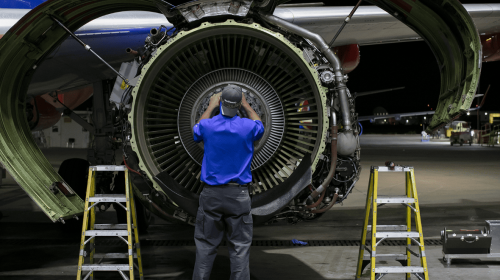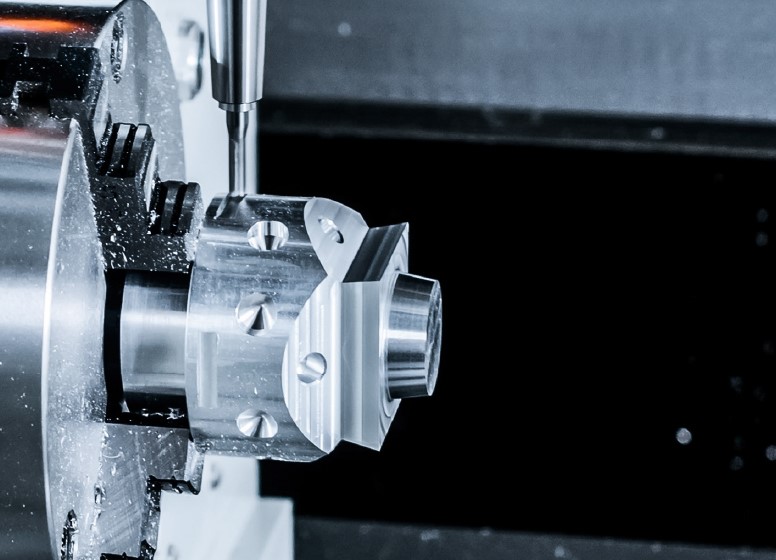
Importance of AS9100 for Aerospace Machining

The aircraft industry consistently needs structures that can function effectively under critical conditions and environments. Manufacturing quality and durable products that can withstand these conditions are thus crucial.
The aerospace standard AS9100 is a regulatory requirement that ensures every supplier meets these quality management needs, guaranteeing the provision of safe and reliable components. In this blog, we outline all you should know about the importance of AS9100 for aerospace machining.
What are Aerospace Materials?
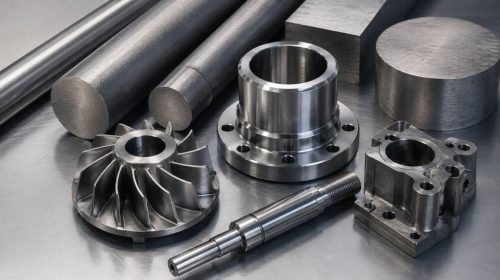
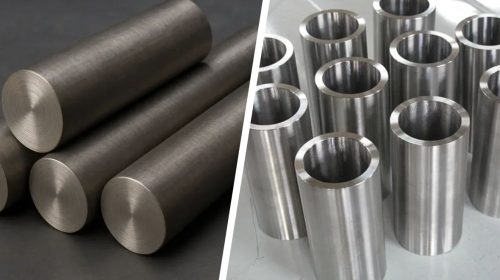
Aerospace materials are high-grade metal and non-metallic alloys specifically utilised in the aircraft industry due to their ability to withstand severe aerospace conditions and maintain their performance.
They are highly reliable alloys with various exceptional features, including high strength, light weight, durability, and resistance to wear and corrosion. They include materials such as aluminum, titanium, stainless steel, and PEEK, among others.
What is AS9100 Certification?

AS9100 certification is a globally recognized quality management certification for the aerospace industry.
It is a certification that indicates that a manufacturer or supplier is in full compliance with aerospace standards, ensuring that only quality, safe, and reliable components are produced and distributed.
AS9100 provides regulatory requirements based on ISO 9001 guidelines, together with extra compliance rules specific to the aerospace industry.
Common AMS and SAE Standards
Beyond following the Aerospace Standards 9100, we adhere to certain AMS (Aerospace Materials Specifications) and SAE (Society of Automotive Engineers) standards to ensure that different materials and parts meet industry standards. Here are some of them.
AMS 4911
This is a standard for titanium alloy used in critical aerospace applications. It is required for manufacturers using the alloys to adhere to ensure effective machinability and durability.
AMS 4037
AMS 4037 standard focuses on aluminum alloys, outlining their mechanical properties and the importance of these alloys in aerospace applications.
SAE AS478
SAE AS478 includes specifications for fasteners utilized in aircraft conditions. Following these standards helps producers create high-performance, reliable products that can withstand harsh environments.
What is the Importance of AS9100 for Aerospace Machining?
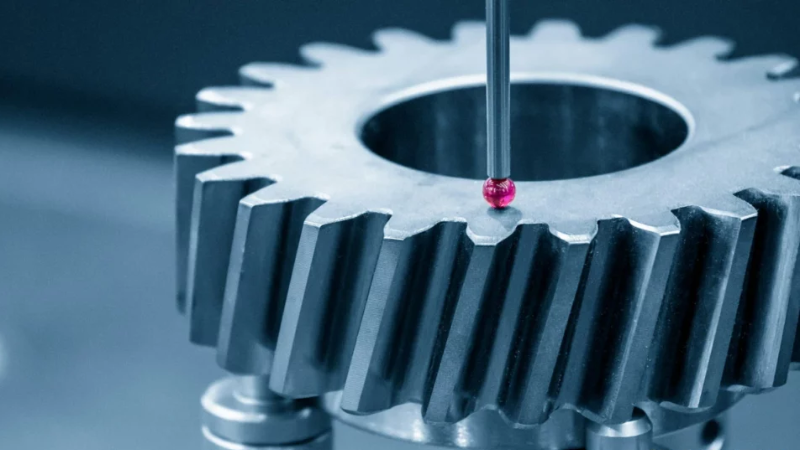
The importance of AS9100 for aerospace machining cannot be overemphasized. Here are some of them you should know.
Secure a Position Among Industry Leaders
Obtaining the aerospace standard AS9100 certification not only helps our company maintain compliance but also enhances our international credibility.
The certification helps place us among the top global aerospace manufacturing leaders, confirming our processes are top-notch and of high quality. This, in turn, helps build meaningful industry collaboration and attract global opportunities.
Ensuring Safety and Reliability
The AS9100 certification enables manufacturers to focus on producing aerospace components that ensure safety and reliability in critical aircraft operations.
This is important in preventing component malfunction and failure while improving part performance.
Enhancing Product Quality and Consistency
Manufacturing processes that adhere to AS9100 standards involve strict documentation, regulated procedures, and inspections, ensuring the production of high-quality parts.
With these steps, it becomes much easier to maintain quality and precision even during mass production.
Handling Non-Conforming Parts
It also provides structure for managing and controlling non-conforming parts, ensuring they aren’t released into the markets. This is essentially vital for AS9100 fabrication facilities dealing with precise aircraft structures.
Meeting Industry and Regulatory Standards
The certification also ensures that our company is fully compliant with industry and regulatory standards. It indicates that our operations and processes align with the industry rules and standards.
Enhancing Efficiency and Reducing Costs

Aerospace standard AS9100 provides strict regulations for material sourcing, fabrication, and finishing processes, ensuring that producers eliminate errors while improving work efficiency.
Improved Customer Trust and Satisfaction
With AS9100 certification, customers can be assured they are receiving the best. They trust our brand to deliver the best, as we are a regulatory-compliant company.
Access to New Business Opportunities (Boost in Marketability and Brand Image)
Obtaining certification helps assure clients and potential customers of the quality of our company’s management system. This alone helps build our company image as more businesses and individuals are willing to work with us.
Manage Long Supply Chains
The Aerospace supply chain is quite extensive and usually on a global scale. With AS9100, manufacturers are expected to assess and evaluate suppliers to ensure they meet the standards.
This, in turn, helps eliminate risk and prevent delays, ensuring aerospace parts are delivered right on time.
Reduced Insurance and Operational Risk
The AS9100 fabrication process is quite rigorous, ensuring that errors are eliminated and quality is maintained during machining.
This, in turn, helps prevent financial risk relating to repeated operations and ensures enhanced insurance benefits.
Competitive Edge in Bidding and Tendering
Businesses and individuals worldwide appreciate working with top-notch companies that are industry-compliant and can deliver precision and quality.
With the certification, they are assured that we deliver beyond standards, giving us a competitive edge during bidding and tendering.
Steps to Achieve AS9100 Certification

Below are the step-by-step processes to follow to obtain the AS9100 certification.
Understand AS9100 Standards
The first step to achieve the certification is to understand the aerospace standard AS9100. The regulatory standards are based on the ISO 9001 requirements, along with other compliance policies that must be met.
And as such, it emphasizes risk management, component safety, and customer satisfaction.
Partner with AS9100 Consulting Services
There are AS9100 consulting services you can also partner with to help ease the certification process.
These businesses are responsible for helping you simplify AS9100 requirements and ensuring every necessary step and documentation is effectively carried out.
Carry out a Gap Analysis Procedure
By conducting a gap analysis test, you can identify how your current systems and processes align with AS9100 standards and pinpoint areas that require improvement.
These systems will encompass every aspect, from your documentation and risk management processes to internal audit procedures and quality management systems, and so on. This can be handled by a group or team within the organization.
Make Improvements to Align with AS9100 Standards
Now that the gap analysis has been carried out, the next step is to implement changes in the identified areas for improvement. This could also be the production processes, documentation procedures, risk management practices, and so on.
Conduct Internal Audits

After the systems have been adjusted and updated, an internal audit is still necessary.
This serves as the final preparation step before the actual certification, ensuring that your company’s compliance policies, processes, systems, and procedures align with AS9100 standards.
If any inadequacies are still observed during the audit, adjustments will be made.
AS9100 Audit and Certification
Finally, you would need to invite an external, official AS9100-recognized body to conduct an audit. This body will analyze if your organization is in full compliance with AS9100 standards.
They will check your documentation procedures and records, production processes, and quality management systems, ask relevant questions, and lots more. If found worthy, then your company will be granted the certification.
Ongoing Improvement and Compliance
Beyond obtaining the certification, making regular improvements, staying informed, and remaining in compliance are key.
As such, you must ensure that the production process meets AS9100 fabrication requirements, carry out regular audits, and take preventive steps.
How Much Does It Cost to Get AS9100 Certified?
The cost of obtaining AS9100 certification varies due to several factors, including company size, the certification body used, company operations and systems, and many others.
It could range from $5,000 to $20,000. Other costs, such as consulting fees, training costs, and documentation, may also increase the overall costs.
Conclusion
The importance of AS9100 for aerospace machining cannot be overemphasized. From helping manufacturers stay in compliance to building customers’ trust and satisfaction and improving production efficiency, there is a lot.
When you need high-quality and reliable aerospace components, we are your go-to partner. We manufacture only durable and high-performance parts, adhering to AS9100, ISO 9001, and NADCAP standards. We offer full material traceability, 100% inspection, and swift delivery worldwide. Get in touch with us now.

Ryan
Ryan oversees the quality systems, focusing on inspection standards (such as AS9100 protocols) and audits critical for flight safety. He is an expert in metrology, First Article Inspection (FAI), and root-cause troubleshooting for high-precision projects. In his free time, he enjoys landscape photography and hiking.