Aircraft Seat Components and Frames

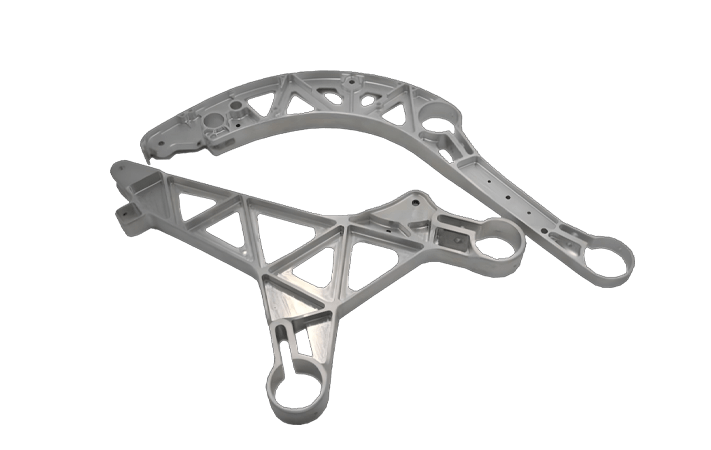
We machine aircraft seat components to your drawing: frame members, fittings, brackets and hinges, from first article to repeat batches, traced by lot.
Request Technical Review
Processes

5-axis machining, thin-web pocketing, manufacturability review

Materials

7075, 2024 and 6061 aluminum, Ti-6Al-4V, 17-4PH

Finishes

Anodizing, chem film, passivation, shot peening

Documents

FAI, CMM and material reports, CoC on request
Precision CNC Machining

CNC Machining of Aircraft Seat Components

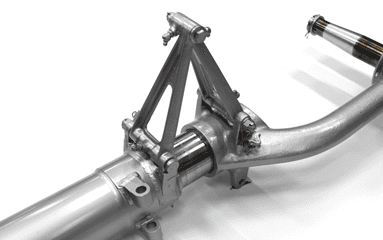
AeroCNCParts, a machining division of DEK, machines aircraft seat components to the seat manufacturer's drawing: frame members, spreaders, leg and base fittings, armrest brackets, hinges and footrest parts. Seat parts are one family of our aircraft cabin interior components.

We work for seat OEMs, interior manufacturers and MRO buyers, from first article through low-volume and repeat batches. Every part is cut to the approved drawing and traced by lot, with material certificates and inspection reports on request.

Get a Quote
Materials for Seat Frames

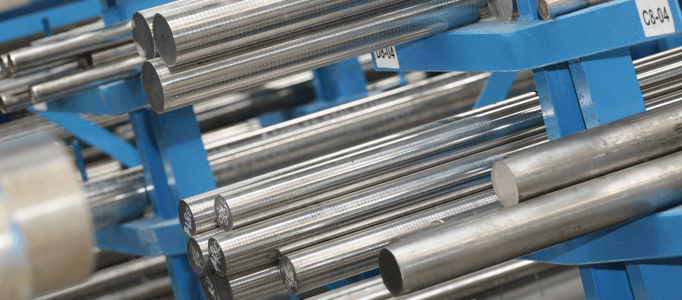
Seat structure is mostly high-strength aluminum, with titanium and steel where loads peak; mill certificates on request.

7075-T6 / T7351 aluminum 2024-T3 aluminum 6061-T6 aluminum Ti-6Al-4V 17-4PH stainless steel
Surface Finishes

All finishes follow the drawing's callout, and parts ship finished to your specification.

  • Anodizing (MIL-A-8625): Type II for corrosion protection and appearance, Type III on wear faces.
  • Chem film (MIL-DTL-5541): conversion coating, also used as a paint base.
  • Passivation (AMS 2700): for stainless pins and latches.
  • Shot peening (AMS 2430): applied where the drawing calls for it.
Applications

Aircraft seat components we machine

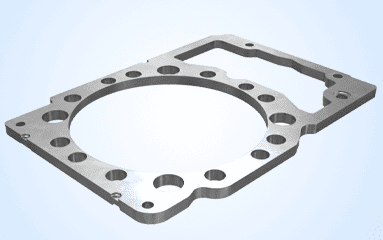
Each part is machined to your seat drawing, not from a catalog; most are pocketed aluminum parts with bores that must line up across the seat. We also machine footrest structures and buckle parts.

  • Frame Tubes, Beams and Spreaders

    Carry seat pan and back loads between the legs.

  • Leg and Base Fittings

    Transfer seat loads from the legs into the floor track.

  • Armrest Brackets

    Armrest brackets that pivot and support the armrest.

  • Recline and Pivot Hinges

    Guide the recline mechanism, in 7075 aluminum or 17-4PH.

  • Tray Table Hinges

    Tray table hinges keep the tray arm aligned over many cycles.

Capabilities

Weight Reduction and Machining

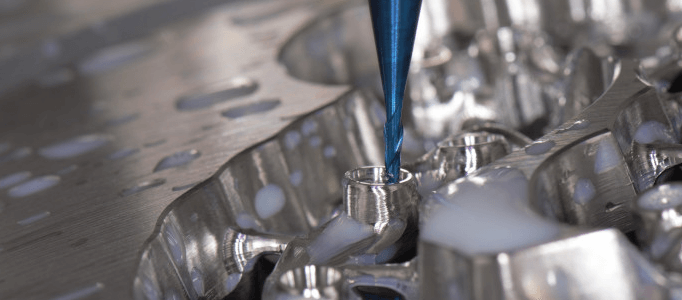
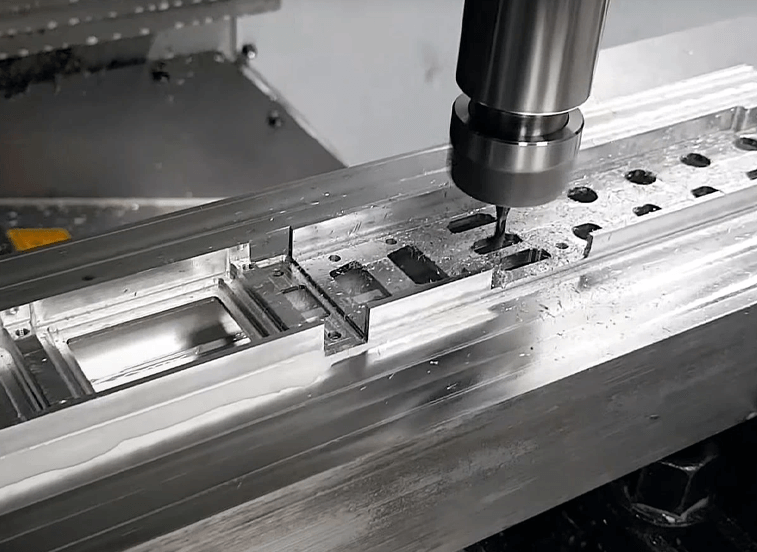
Seat drawings call for deep pockets, thin webs and lightening holes, because seat weight is multiplied by every row. Stress-relieved stock, balanced roughing, light finishing passes and wall-supporting fixtures hold them flat. Our 5-axis machining capability reaches angled faces and holes in one setup, so the pivot bores of a fitting share one datum scheme.

We do not redesign the part; our manufacturability review flags cost or distortion risks for your engineers.

Get a Quote

Processes

5-axis CNC machining, deep pocketing, thin-web milling

Materials

7075, 2024 and 6061 aluminum, Ti-6Al-4V, 17-4PH stainless

Finishes

MIL-A-8625 Type II / III, MIL-DTL-5541, AMS 2700, AMS 2430

Inspection

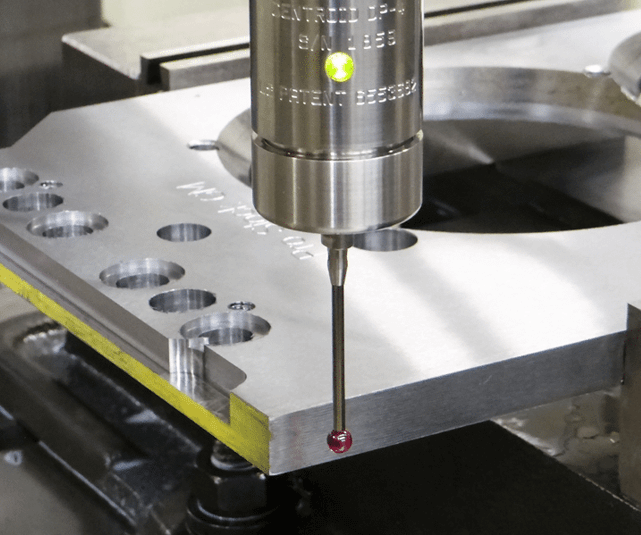
CMM inspection; same program and fixtures on every repeat batch

Documentation

AS9102-style FAI, material certificates, CoC on request

Quantities

First article, low-volume and repeat batches

Cosmetic faces

Cosmetic zones defined on the drawing for armrest and tray parts

Process

Process & Quality

Manufacturability review: features that drive cost or distortion flagged for you.
Machining: stress-relieved stock, balanced roughing and supported thin walls.
First article: AS9102-style FAI report and CMM reports on request.
Traceability: heat and lot numbers, material certificates and CoC on request.
Repeat batches: same program, fixtures and inspection plan; NCR, CAPA, 8D.
Recommend

Related Seat Parts and Resources

FAQ

Frequently Asked Questions

Answers on seat materials, 16g qualification, the components we machine, batch support and documents.

What materials are commonly used to make aircraft seats?
The structure is mostly high-strength aluminum (7075, 2024), with titanium or steel for high-load fittings. Cushions, dress covers and plastic trim use flammability-qualified materials.
Do you certify seats to the 16g requirements?
No. The seat manufacturer qualifies the seat; we machine components to the approved drawing and supply certificates and traceability records on request.
Which seat components can you machine?
Frame members, fittings, brackets, hinges and footrest parts to your drawing.
Can you support seat programs from first article to repeat production?
Yes: first articles with an AS9102-style FAI report on request, then low-volume and repeat batches. Early development prototypes are handled by our sister site AeroRapidProto.
What documentation comes with seat components?
On request, we supply the documents your program needs: a Certificate of Conformance, material certificates, an FAI or inspection report and lot traceability records. Parts are made under an ISO 9001-certified quality system.

Send your drawing and 3D model for a quote: an engineer reviews it before machining, NDAs are signed on request, and repeat batches follow the same inspection plan.