The Engineers’ Guide to Materials for Space: Machining Invar, Titanium, and PEEK
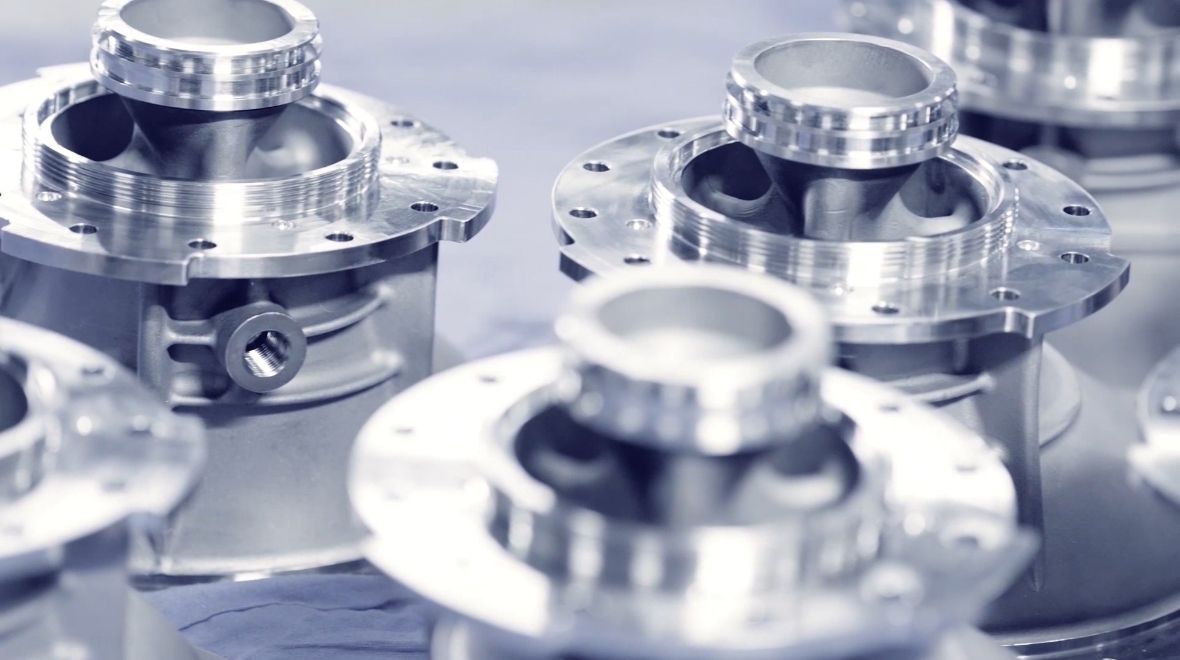
While many metals and non-metallic materials are available, only a select few are suitable for spacecraft machining. Space environments require high-grade materials with excellent strength, low weight, resistance to temperature, and dimensional stability, among other properties.
Invar, titanium, and PEEK are among our top-selected materials for space applications. There are reasons we chose these materials, which you will discover in this guide. Now let’s read on.
Importance of Material Selection for Space Applications
Spacecraft require high-performance parts that can operate reliably even in extreme conditions.
As such, the most suitable material that can withstand temperature fluctuations, repeated cycles, stress, etc., and retain its strength is essential to prevent part deformation, cracking, or any adverse condition.
Machining Invar, titanium, and PEEK thus helps produce parts that can perform well under these conditions.
Machining Invar for Space
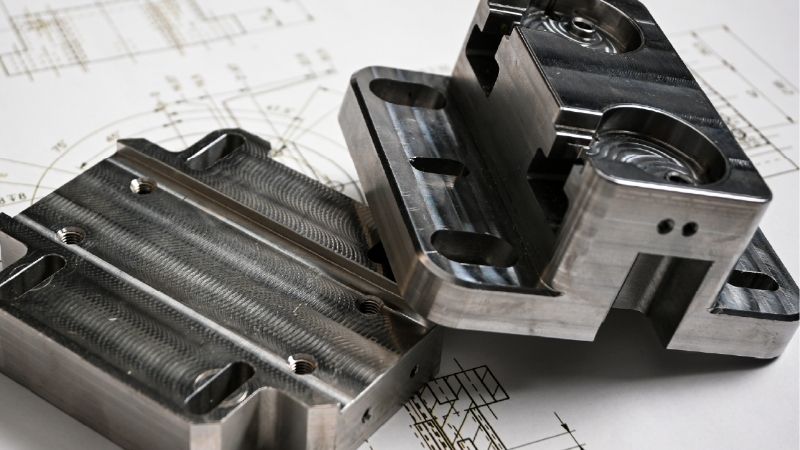
Invar material primarily consists of approximately 36% nickel and 64% iron. Due to this unique composition, the alloy exhibits a low coefficient of thermal expansion of approximately 2.0.
As such, we utilize the material for space applications where precision and dimensional stability are vital since it’s not affected by temperature changes. Other essential properties of Invar for aerospace applications include:
Exceptional Strength
It is a very durable metal with great strength. It has a tensile strength of about 490 to 590 MPa and a yield strength of 240 to 340 MPa.
Resistance to Corrosion
Its resistance to corrosive environments is also vital in aerospace applications. With its ability to form an oxide layer, its corrosion resistance is improved.
Dimensional Stability
Invar machining isn’t affected by temperature changes. This makes it relatively easier for us to achieve tight tolerance in invar parts.
Benefits of Machining Invar
Precise Tight Tolerance Parts
Maintaining dimensional stability is easily achieved with Invar machining. Whether we’re using CNC milling and turning, EDM, or other methods, producing extremely tight-tolerance parts is a possibility.
Highly Quality and Consistent Components
Since Invar material machining isn’t affected by temperature changes, this enables us to produce consistent, high-quality parts across multiple batches.
Compatibility with Different Techniques and Treatment
Invar is compatible with various surface finishing treatments and machining procedures, including EDM, grinding, and polishing. With this, we can manufacture complex, intricate parts with excellent finishing.
High Mechanical Strength
With its high strength, we can produce durable, tough aerospace parts that can withstand machining stress and consistent aircraft cycles without breakage or chipping.
Efficient Weldability
The material also offers great weldability benefits, making it easier to form complex joint parts.
Best Practices for Invar Machining
Adequate Tool Selection
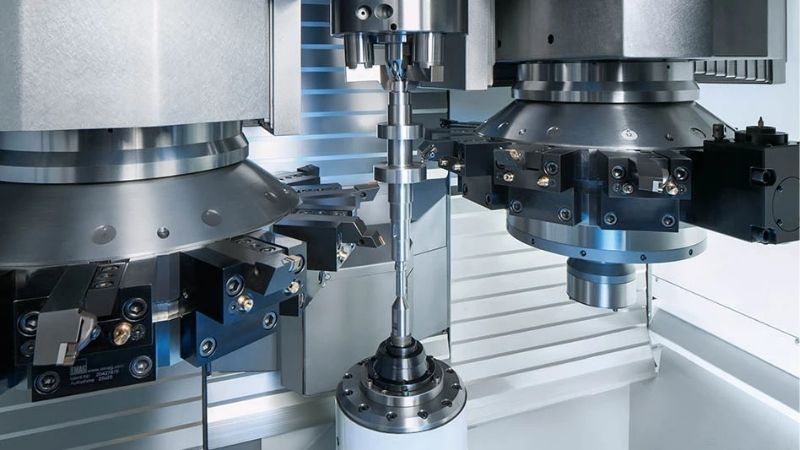
We utilize carbide or ceramic tools for machining, as Invar has high strength. These tools have a strong, sharp edge that helps withstand wear, making machining possible.
Machining Parameters
Effectively optimizing the milling speeds and feeds is also vital. We therefore ensure that the lower rate is set to prevent extreme heat accumulation and tool damage.
Utilize Adequate Coolant
Heat build is common when machining Invar 36, but can be avoided by using appropriate coolant during the machining process. This would help prevent damage to tools and improve the finish of parts.
Use Appropriate fixtures
By utilizing the right holders and fixtures, we can effectively control vibration and ensure machined parts are effectively held in place. This helps us eliminate errors while enhancing precision.
Pre-Machining Process
Before the actual machining process, we descale the material surface to ensure effective machining and reduce tool wear.
Common Challenges and Troubleshooting Techniques
Chips Build Up
Chips from machining invar 36 are more likely to warp, making machining more difficult and causing tool damage. As such, we utilize tool breakers and consistently remove chips to prevent warping.
Heat Build Up
Invar is unable to conduct heat, and as such, the heat generated during machining builds up, causing an increase in the material’s and tools’ temperature.
This affects the tool’s performance and part precision. To control this, we use a water-soluble coolant.
Tool Wear
Tool wear is common in invar machining due to its high strength. Apart from using strong carbide tools, we also regularly conduct maintenance checks and replace parts when necessary.
Machining Titanium for Space
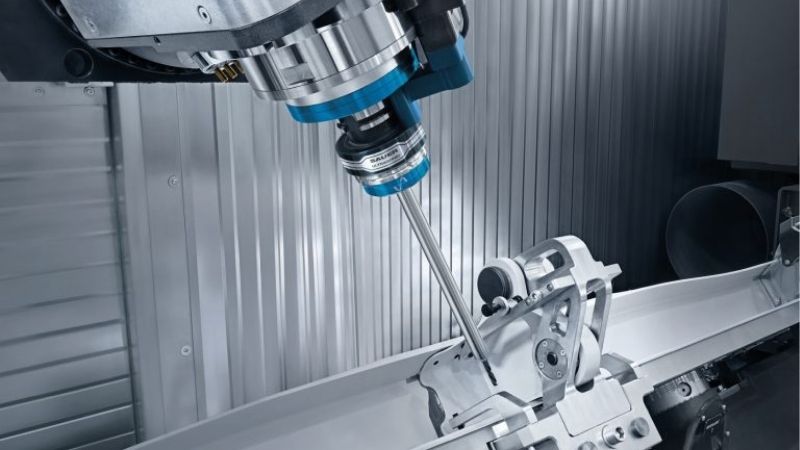
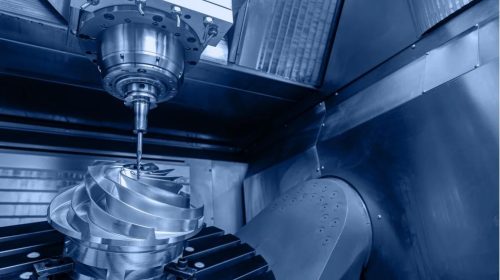
Titanium has the unique ability to withstand corrosive environments and high temperatures. Machining titanium, however, requires the use of the right techniques to improve production efficiency.
Benefits of Machining Titanium
High Strength Components
Titanium machining enables us to produce high-strength and durable aerospace components with a long lifespan.
Allows for Complex Geometry Designs
Fabricating the material is compatible with many techniques, including advanced CNC milling and turning. This enables us to create intricate and complex parts.
Variety of Surface Finishing
Titanium is also compatible with various surface finishes, including electropolishing and passivation, which enhances its corrosion resistance and appearance.
Precise and Repeatable Parts
With the proper tooling and cutting parameters, we can achieve highly precise and consistent aerospace parts through titanium machining.
Production of Lightweight Parts
The material’s low weight also enables us to manufacture lightweight parts, which are crucial in minimizing fuel consumption in aerospace applications.
Tips for Efficient Titanium Machining
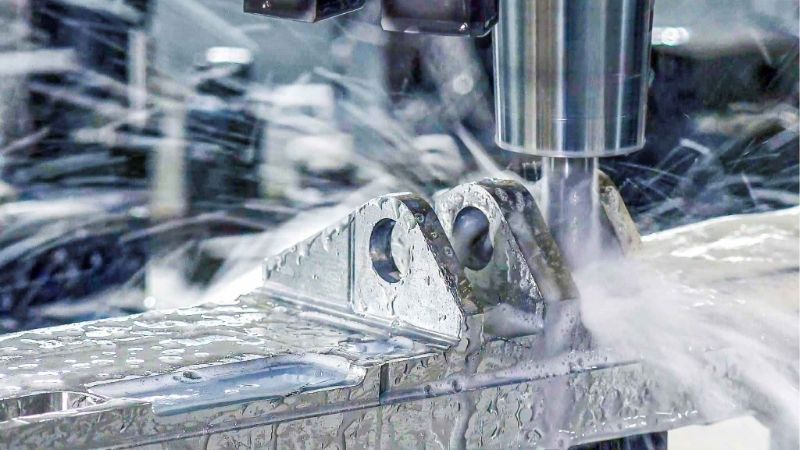
Use of Appropriate Coolants
Titanium isn’t able to conduct heat properly, and as such, an appropriate coolant must be used to prevent heat buildup and tool damage.
Efficient Chip Control
To ensure consistent precision and achieve a better surface finish, the chip generated must be controlled. With the use of sharp-edge cutting tools and the proper cooling system, we can effectively manage this.
Cutting Feed Rate and Speed
To prevent heat buildup that could affect tool performance and finishing, we maintain a low speed rate for titanium machining. On the other hand, the feed rate must be controlled to ensure adequate machining, accuracy, and consistency of parts.
Appropriate Surface Finishing
Achieving an excellent finish with titanium can be challenging, especially when the machining process isn’t done effectively. With processes like polishing and grinding, together with the right feed rate, speed, and other factors, getting a fine surface is possible.
Ensure Stable Workpiece
Maintaining a stable workpiece is also vital to prevent vibration and minimize errors. With that, we utilize the right fixtures to keep the material firm and steady.
Tooling and Equipment Considerations
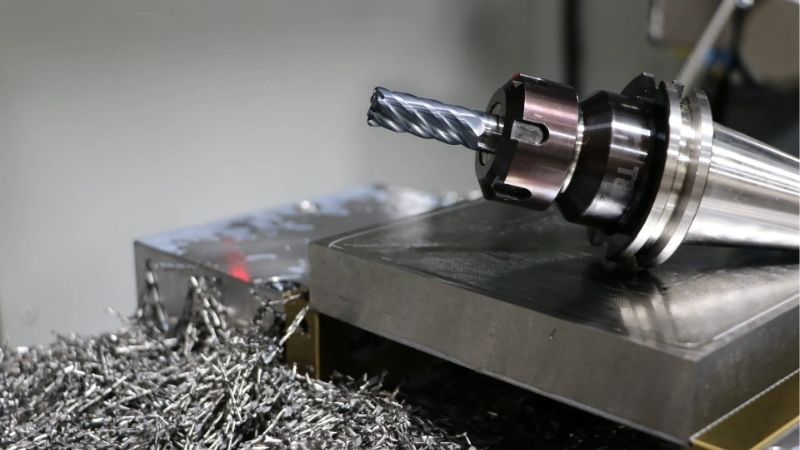
Cutting Tool Material
The choice of cutting tool material is crucial, as titanium machining generates heat. Beyond that, titanium itself is a tough material and requires a durable, strong tool. We prefer to use carbide or high-speed steel tools, depending on the alloy being worked on.
Number of flutes
Ideally, we use milling tools with more cutting edges, such as 10-flute mills. This helps the tool work better on the material while reducing machining cycles.
Milling Tool Coatings
The coatings of the tool help improve its temperature resistance, thereby enhancing overall performance and tool lifespan.
Titanium aluminum nitride ( TiAIN) is mainly used because it produces an aluminum oxide particle that transmits heat to the chips.
High Feed Mills and Tool Edge
For machining axial or radial titanium, high-feed mills are the best option we consider, as they enable minimal engagement, which is necessary for such operations. Additionally, we ensure that all cutting tool edges are kept sharp to aid a smooth milling process.
Machining PEEK for Space
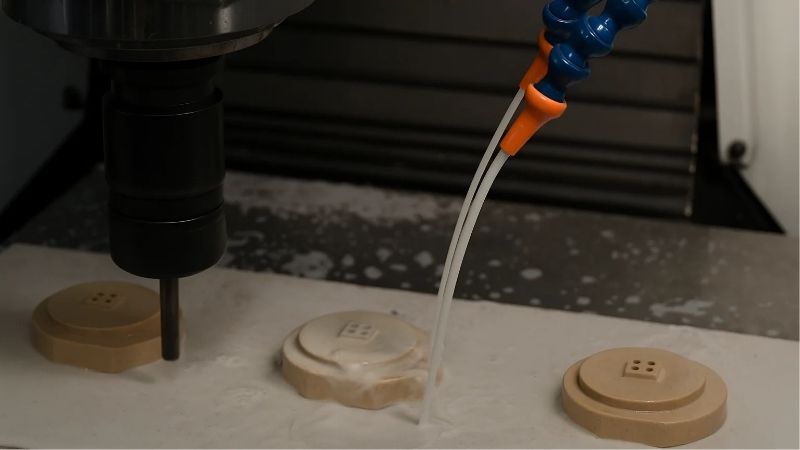
PEEK is a high-performance semi-crystalline plastic valued in aerospace due to its ability to retain its strength in extreme environments.
It has many other amazing features that distinguish it from other plastics and make it suitable for spacecraft. Here are some of them:
Resistance to Extreme Temperatures
The thermoplastic can survive temperatures above 200 degrees Celsius while still maintaining its strength. This makes it suitable for use in aircraft engines, gears, turbines, and other similar applications.
High Strength and Toughness
Compared to many other plastics, PEEK is very strong and durable, and as such, it can be used in load- and stress-prone applications without cracking or breaking.
Wear Resistance and Low Friction
PEEK has a relatively low friction, making it suitable for cycling or rotating aerospace units without wearing out. This feature helps improve component performance and ensure longevity.
Low Moisture Absorption
Due to its low moisture absorption property, PEEK can be used in applications involving exposure to liquid, including valve units and pump components, without losing its form.
Resistance to Chemicals
PEEK also retains its properties even when consistently exposed to harsh chemicals, oil, fuel, and other liquid particles.
Benefits of Machining PEEK
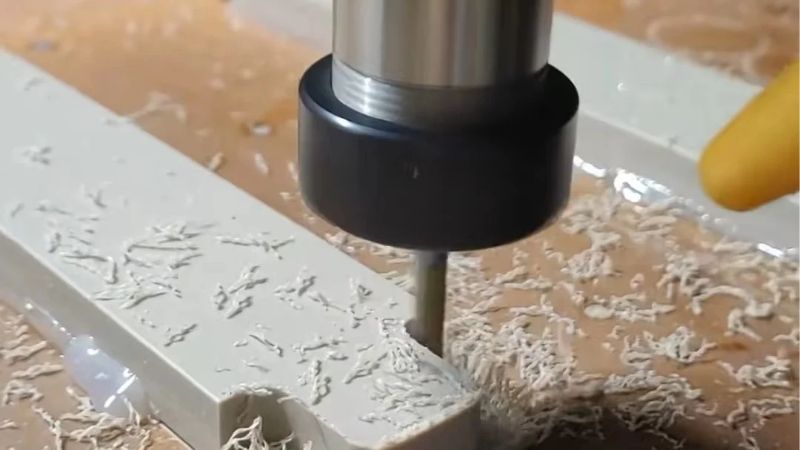
Ensures Part Longevity
PEEK is a strong and rigid plastic. Its ability to resist consistent stress, load, and chemical exposure, among other factors, without deforming makes it suitable for long-term use in aerospace applications.
Lightweight Components
Although it has high strength, like most metals, it is also lightweight. This is one reason we utilize PEEK, as it helps maximize fuel efficiency in aircraft.
Enables Production of Complex Parts
With the right tools and machines, PEEK can be used to manufacture a variety of complex space components with tight tolerances.
Highly Versatile Processes
It is also compatible with various techniques, including injection molding, 3D printing, CNC milling, and turning. This makes production even more efficient.
Faster Production Cycles
PEEK has a high melting point, which allows for higher feed and speed rates, enabling quick production.
Consistent and Accurate Part
With Processes like CNC machining and injection molding, several batches can be produced with the same shape, size, dimensions, and tight tolerances.
Tips for Effective Machining of PEEK
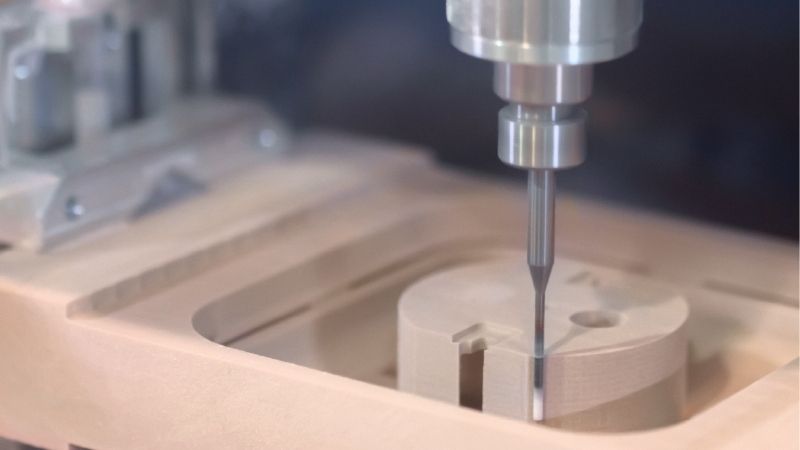
Annealing
First, we utilize the annealing process to enhance PEEK’s resistance to chipping and also alleviate stress within the material. This helps retain the material strength while machining and during usage.
Selection of the Right Cutting Tools
Silicon carbide cutting tools are also popularly used. In some cases, when the precision level is tight or when the PEEK material contains carbon fibre, we utilize diamond instead
Cooling Technique
Cooling mechanisms, such as the use of liquid coolant, are vital in PEEK machining. This helps prevent tool breakage and improve finishing.
Clamping and Fixtures
With the use of fixtures, we ensure work pieces are stable and tightly held. This helps reduce vibration, eliminate errors, and enhance precision.
Machining Parameters
Speed and feed rate are set to a moderate level for optimal machining. The milling depth is also raised as machining proceeds.
Comparison of PEEK CNC Machining with Other Processes
CNC machining of PEEK materials delivers high-quality, precise, and consistent parts. With CNC machining, we can manufacture complex and intricate PEEK parts for space applications.
Beyond using CNC machining, PEEK also aligns well with injection molding and 3D printing. Selecting the suitable process to use thus depends on the specific part requirement, time, and funds.
To produce several high-volume batches of a component simultaneously, injection molding may be a more suitable option than CNC machining.
To use 3D printing, FFF filaments and SLS powders are used. Despite this, injection molding and CNC machining of PEEK remain more popular than 3D printing.
How to Choose the Right Material for Space: Invar vs Titanium vs PEEK
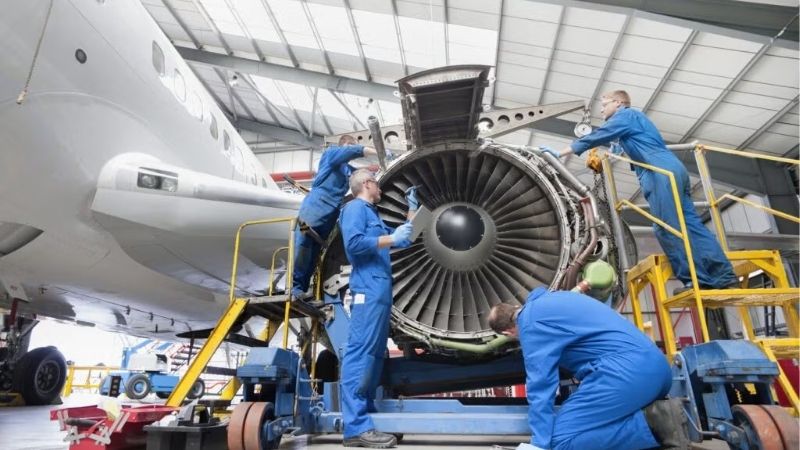
Selecting the right materials for space machining is crucial to getting accurate results.
Strength and Weight
Considering the material weight and strength is vital. While titanium offers an excellent strength-to-weight ratio, invar is quite heavy compared to titanium, while PEEK offers the least weight.
Temperature Sensitivity
Invar is primarily valued for its ability to retain its shape even in extremely high temperatures. As such, it is thermally stable and more resistant than titanium or PEEK. So when temperature sensitivity matters, invar is the best.
Evaluate Outgassing and Cleanliness
Ascertaining the rate at which the material outgasses is key. Outgassing releases gaseous material into space, which might be detrimental to spacecraft performance.
Titanium gives off very little outgas, followed by Invar. PEEK is a plastic and has a higher outgassing rate than others.
Machining Complexity
Titanium and Invar are much more difficult to machine compared to PEEK. However, with the right tools and techniques, it becomes easier. Therefore, the unique requirements of the part still matter when selecting the most suitable material.
Quality Control in Machining Space Materials
Spacecraft components are consistently exposed to extreme temperatures, stress and cycling, vibration, and numerous harsh conditions.
As such, they must be machined to meet the required quality and precision that will withstand such environments.
Regulatory standards, such as AS9100, ISO 9001, and ITAR registration, help ensure that manufacturers produce high-quality components.
Other processes, such as initial material inspection, FAI (First Article Inspection), Production Part Approval Process (PPAP), in-process assessment, post-machining verification, and assembly tests, all contribute to quality control for materials used in space.
Dimensional Accuracy and Stability Measures
Achieving dimensional accuracy and stability is crucial for space machining. As such, we regulate temperature within the environment and use appropriate coolant when necessary.
Appropriate fixtures and jigs are also utilized to eradicate vibration and errors.
With the use of tools such as coordinate measuring machines, spectrometers, and laser scanners, we ensure the part meets the required precision.
All of these factors help ensure that machined parts maintain their dimensional stability, even in critical space conditions.
Surface Finish Optimization for Aerospace Components
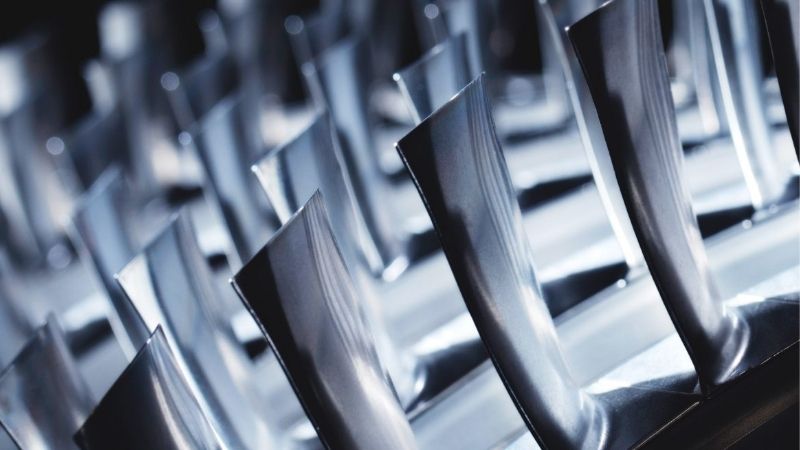
Anodizing
This helps form an oxide layer on the material, improving its durability and corrosion resistance.
Passivation
The passivation process helps eliminate dirt and unwanted particles from the material surface. It improves the corrosion and oxidation resistance of parts.
Electropolishing
This finishing procedure uses an electrochemical process to create a smooth, fine surface. It helps eliminate burrs, providing a bright, clean part.
Bead Blasting
Bead blasting helps provide a levelled matte layer, enhances part appearance, and allows for effective coating.
Chemical Conversion Coating
This provides an additional protective layer to parts, improving their durability and corrosion resistance.
Shot Peening
Shot peening helps improve parts’ durability, resistance to fatigue, and cracking
Zinc Plating
This provides an extra protective layer for parts, improving corrosion resistance and durability.
Applications of Machined Invar, Titanium, and PEEK in Space
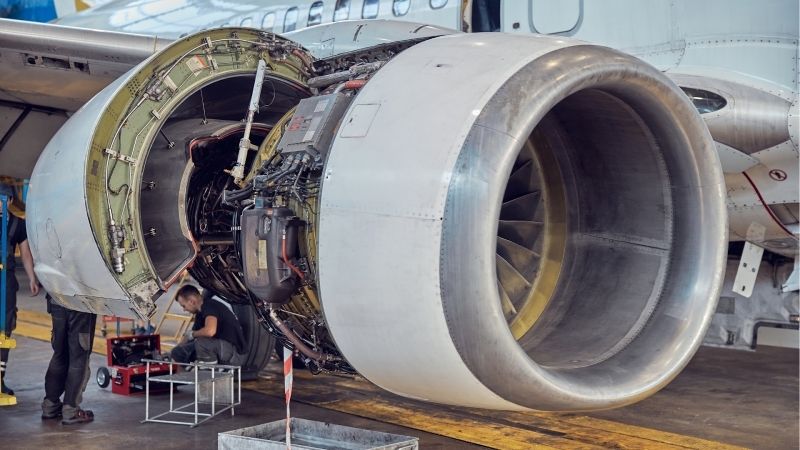
Machining Invar, Titanium, and PEEK produces high-quality and durable aerospace parts. Below are some specific aerospace components manufactured with these materials.
Invar
By machining Invar 36 and other Invar alloys, we can manufacture a range of parts, including satellite components, optical assemblies, gyroscope casings, sensor housings, and more.
Titanium
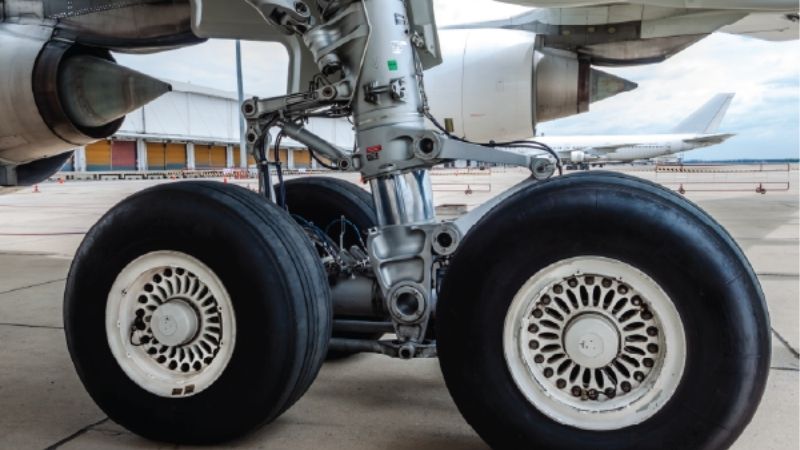
Vitals in producing aerospace parts like turbine parts, engine housing, fasteners, landing gear assemblies, and fuselage structures
PEEK
We also utilize PEEK in the creation of components, including electronic housings, cable units, satellite interior units, and vacuum assemblies.
Conclusion
While there are several materials for space component machining, we value Invar, titanium, and PEEK due to the unique properties and benefits they offer, as discussed in this blog.
AeroCNCParts specializes in delivering high-quality, tight-tolerance spacecraft components crafted from high-performance materials, including titanium, Invar, PEEK, and other advanced materials. Our machining process and finishing adhere to the strict standards of AS9100D and ISO 9001. With FAI, CMM, and PPAP quality inspections, we deliver top-notch services. Get a quote now.

Robert
Robert specializes in the mechanical properties and thermal resistance of aerospace metals and high-performance plastics. He has extensive experience with flight-grade materials, including Aluminum 7075, Titanium (Ti-6Al-4V), Inconel, and PEEK. He optimizes machining strategies for difficult-to-process materials to ensure structural integrity under extreme conditions.