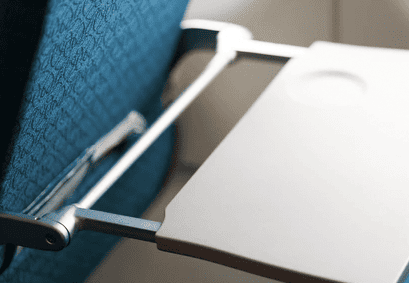
Tray Table Hinges

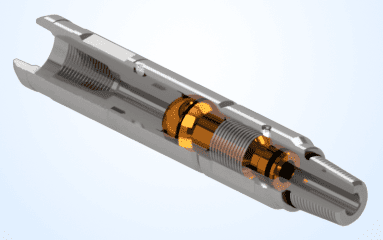
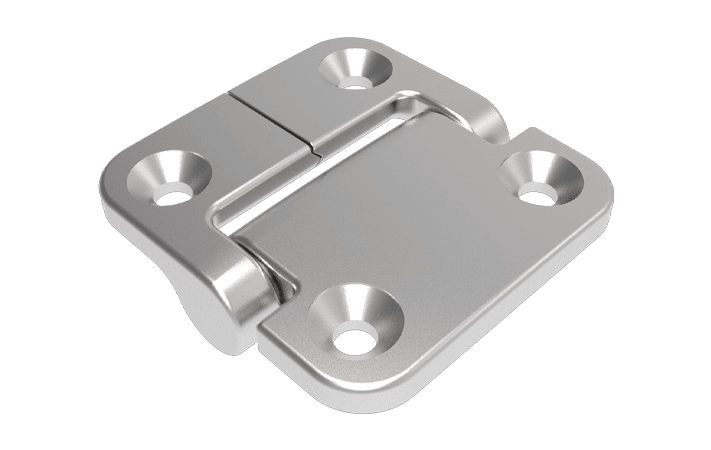
Lightweight yet durable hinge assemblies made for smooth and reliable movement of aircraft tray tables. These precision components withstand high cycle counts, vibration, and fluctuating cabin pressures.
Request Technical Review
Process

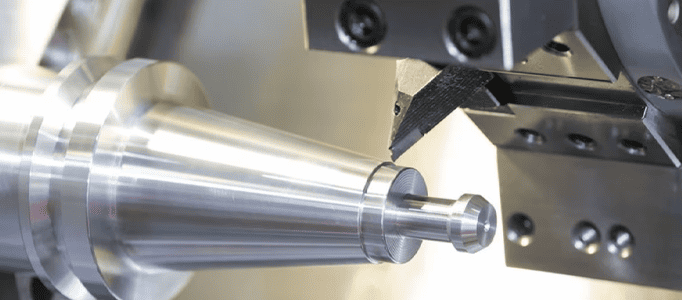
CNC Milling, CNC Turning, 5-Axis CNC Machining, Wire EDM, or Laser Cutting.

Materials

Aluminum 6061-T6, 7075, Stainless Steel 17-4PH, Titanium Grade 5, PEEK.

Tolerance

±0.005 mm

Finishes

Anodizing, Nickel Plating, Passivation, and Alodine
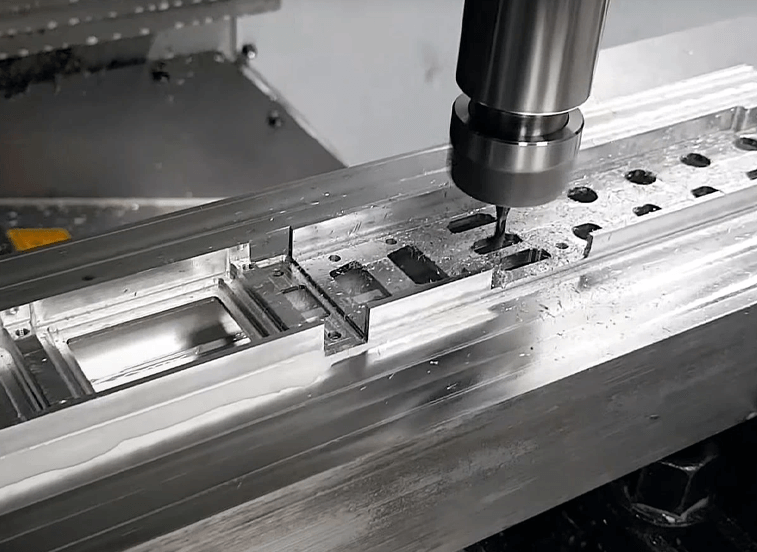
Precision CNC Machining

Durable Tray Table Hinge Precision Machining
with Full Certification

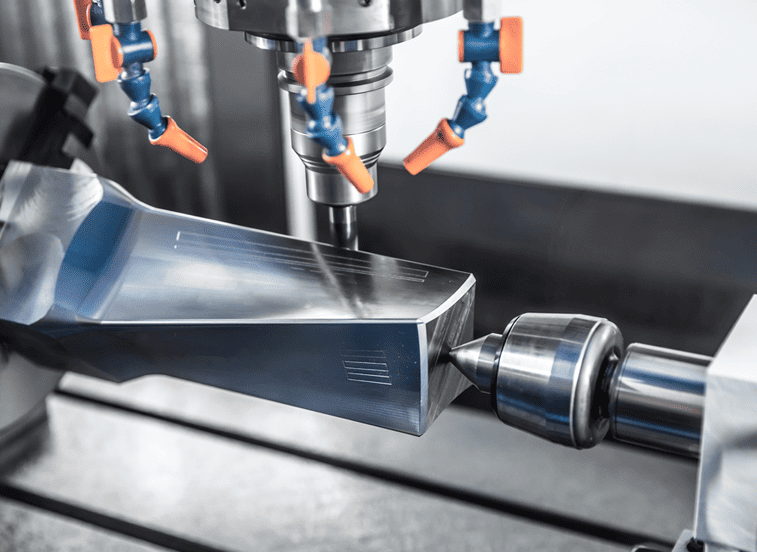
Manufacturing tray table hinges for aircraft interiors demands exceptional precision and repeatability. We employ AS9100D-certified machining and NADCAP-approved finishing to achieve the perfect balance of strength, weight, and motion control. Each hinge is machined to ±0.005mm accuracy using multi-axis CNC technology, verified through FAI and CMM inspection.

Get a Quote
Materials for Tray Table Hinges

Our material selection ensures superior performance in cabin environments, combining lightweight, wear-resistant, and corrosion-proof parts.

Aluminum 7075-T6 Aluminum 6061-T6 Stainless Steel 17-4PH Titanium Grade 5 PEEK (Polyetheretherketone)
Surface Finishes

Finishes optimized for smooth motion, durability, and long-term cabin use.

  • Anodizing enhances the corrosion resistance and surface hardness of aluminum components.
  • Nickel Plating: Provides uniform protection and aesthetic shine for exposed hinge parts.
  • Passivation: Improves stainless steel’s resistance to oxidation and moisture.
  • Alodine: Used on aluminum hinges before painting or bonding.
Applications

Tray Table Hinge Assemblies

Precision-machined pivoting mechanisms ensuring smooth deployment, high cycle durability, and reliable locking for in-flight passenger convenience.

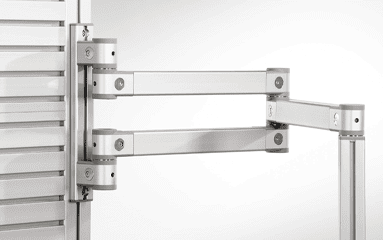
  • Main Pivot Arms

    High tensile strength designed for repetitive load cycles.

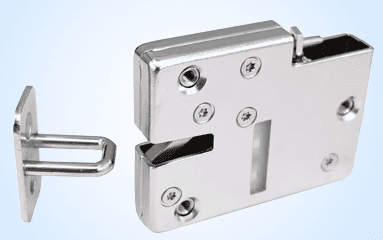
  • Locking Latch Housings

    Tight tolerances preventing rattle or accidental deployment.

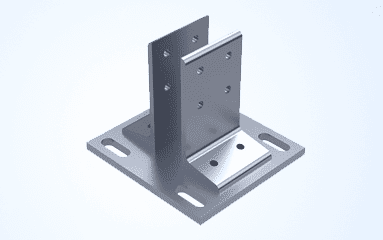
  • Mounting Base Plates

    Optimized weight reduction with secure structural interfacing.

  • Rotating Knuckle Joints

    Smooth friction control for consistent deployment feel.

Capabilities

Capabilities of Our Tray Table Hinge Machining

We deliver high-precision tray table hinges using advanced 5-axis machining centers and expert CAD/CAM programming to meet exact dimensional requirements.

Backed by AS9100D certification, FAI reports, PPAP, and full traceability, we guarantee flawless quality for every hinge assembly. Each unit is engineered to meet aerospace interior standards with long-term operational reliability.

Get a Quote

Technical Parameters

Values

Dimensional Tolerance

0.005mm

Flatness/Parallelism

0.01mm per 100mm

Max Part Envelope

0.8mm (material dependent)

Surface Roughness

Ra 0.8µm (machined), Ra 0.2µm (polished)

Finish Thickness

5–25µm (anodize), per specification

Docs & Certs

FAI, CMM Report, Full Lot Traceability

Process

Process & Quality

DFM Review: Engineering review analyzing load paths and datums.
CAM & Fixturing: Precision fixture design minimizing machining clamping errors.
In-Process Checks: Active process control via probing and sampling.
FAI & CMM: Comprehensive FAI reports verifying dimensional conformity.
Traceability: Full lot traceability from certified billet to delivery.
Recommend

Related Aerospace Components

  • Seat Frame Assemblies

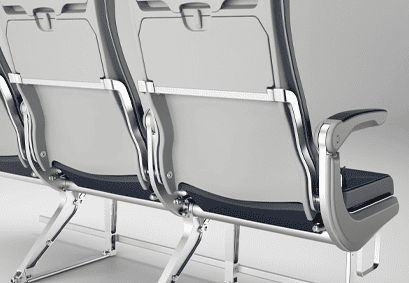
    Provide primary support for seat and tray integration.

  • Armrest Brackets

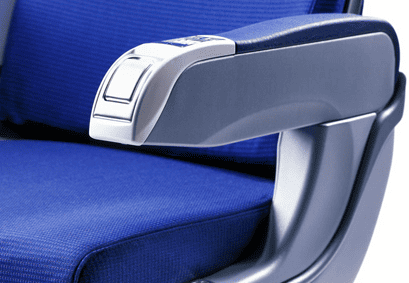
    Assist with mounting the hinges and connecting the seat.

  • Cabin Table Supports

    Stabilize tray systems for passenger comfort and safety.

FAQ

Frequently Asked Questions

These are our common FAQs. If you need specifics: such as machines, quoting, lead time, shipping, quality process, packaging, or payment, please email info@aerocncparts.com.

Our engineers will reply with clear, detailed information.

Can tray table hinges be produced to match specific seat layouts?
Yes. We can customize hinge geometry, material grade, and mounting dimensions to ensure seamless integration with various seat and cabin configurations.
How do you maintain consistent hinge motion in high-use environments?
By combining dry-film lubrication with precision-milled pivot points, it ensures silent operation and minimal friction over thousands of cycles.
What inspection methods are used during production?
Each hinge undergoes CMM verification, microscopic surface inspection, and functional testing to meet the strict requirements of the aerospace industry.
Do you support lightweight composite hinge designs?
Yes. We machine hybrid metal-polymer hinges using PEEK and aluminum for reduced weight while maintaining structural integrity.
How long does it take to produce and qualify a new hinge design?
Typical lead times range from 4 to 7 days, depending on the complexity and testing requirements. Rapid prototyping and expedited certification are also available for urgent projects.