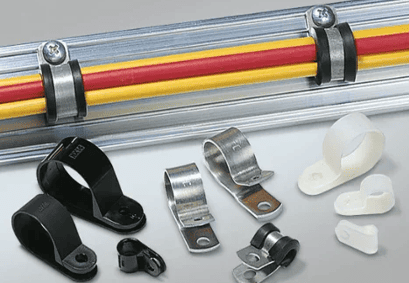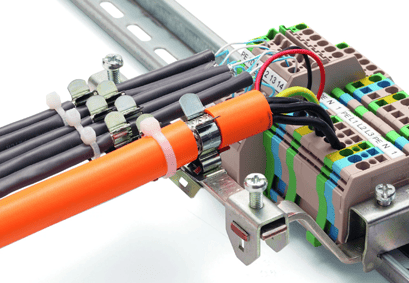
Cable Routing Brackets

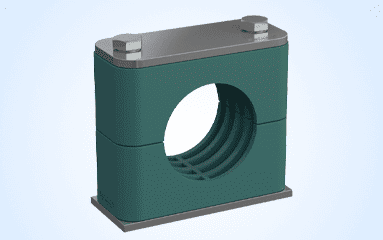
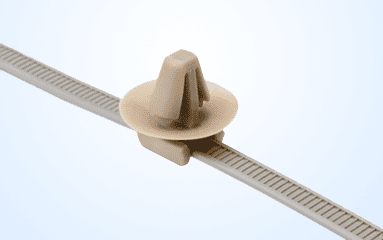
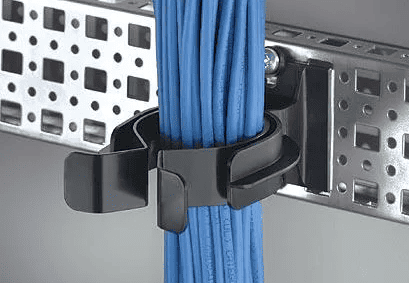
Compact, durable components used to support and organize electrical and fluid lines in aircraft. They keep cables protected, properly aligned, and vibration-free, ensuring smooth operation and lasting performance.
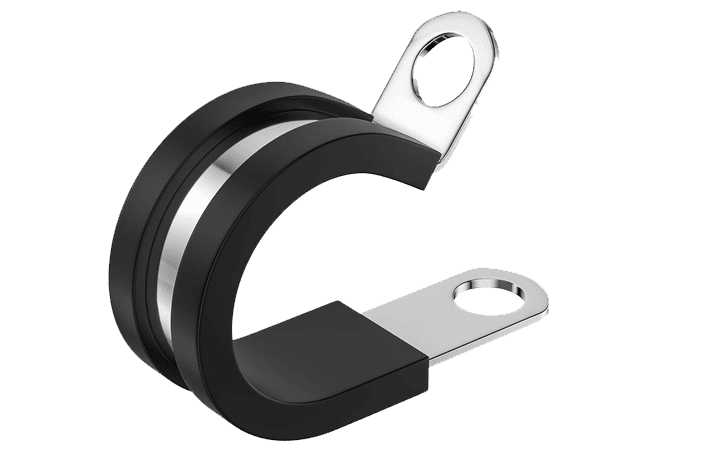
Request Technical Review
Process

CNC Milling, 5-Axis Machining, Wire EDM, Laser Cutting

Materials

Aluminum 6061-T6, Titanium Grade 5, Stainless Steel 17-4PH, Inconel 625, PEEK

Tolerance

±0.005mm

Finishes

Anodizing, Passivation, Powder Coating, Polishing.
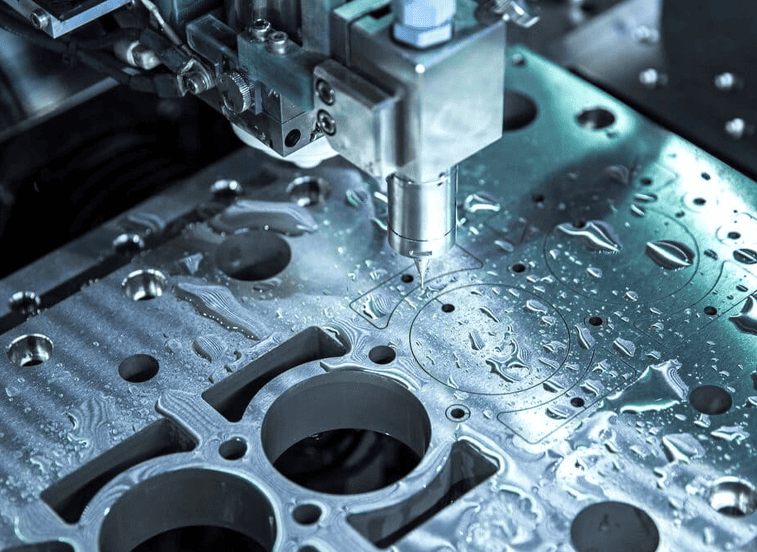
Precision CNC Machining

High Accuracy Production for Cable Routing Brackets

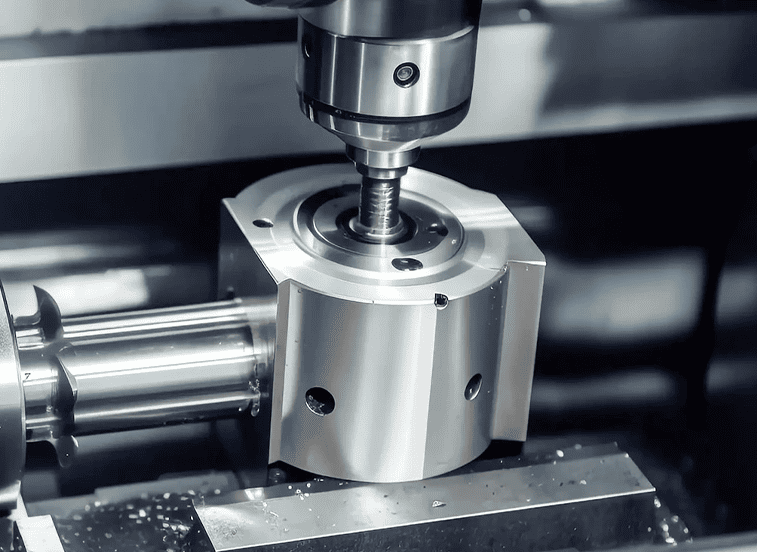
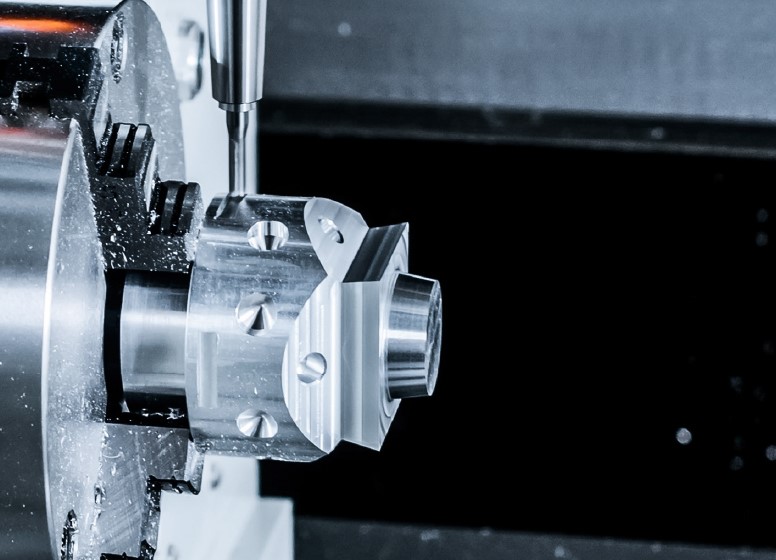
Cable routing brackets demand exact dimensions, lightweight form, and durable surfaces to prevent cable strain and friction. Multi-axis machining systems maintain tight accuracy, while careful inspection ensures uniformity. Each bracket supports reliable cable management, electrical safety, and consistent mechanical integrity under all aircraft operating conditions. See all aerospace brackets.

Get a Quote
Material Options for
Cable Routing Brackets

Each material is chosen for its balance of toughness, corrosion protection, and temperature stability.

Aluminum 6061-T6 Titanium Grade 5 (Ti-6Al-4V) Stainless Steel 17-4PH Inconel 625 PEEK (Polyetheretherketone)
Surface Finishes

Protective coatings enhance bracket endurance and maintain clean surfaces, which minimize friction and corrosion.

  • Anodizing: Strengthens aluminum surfaces against wear and oxidation.
  • Passivation: Enhances stainless steel resistance to rust and staining.
  • Powder Coating: Adds a thick, protective layer for color and durability.
  • Polishing: Smooths plastic parts for clarity and reduced contamination.
Applications

Aerospace Cable Routing Brackets

Fabricating precision supports ensuring organized, secure management of complex electrical harnesses while minimizing weight through optimized CNC machining.

  • Wiring Harness Standoffs

    Vibration-resistant aluminum design preventing wire abrasion damage.

  • High-Temp Conduit Supports

    Heat-resistant alloys maintaining integrity in extreme thermal zones.

  • Hydraulic Line Clamps

    Robust load-bearing structure securing high-pressure fluid lines.

  • PEEK Cable Guides

    Non-conductive properties preventing electrical shorts with low friction.

Capabilities

Capabilities of Our Cable Routing Bracket CNC Machining

Advanced CNC technology ensures complex geometries with ±0.005mm precision. Dimensional testing verifies proper fit, while smooth finishing eliminates sharp edges that could damage cables.

Each part undergoes thorough NADCAP, AS9100, and ISO 9001 approved processes, documentation, and quality checks to confirm structural integrity, vibration resistance, and compliance with aerospace-grade standards.

Get a Quote

Technical Parameters

Values

Dimensional Tolerance

±0.005mm

Flatness/Parallelism

≤ 0.01mm per 100mm

Max Part Envelope

500 × 450 × 250mm

Min Wall Thickness

0.7mm (material dependent)

Surface Roughness

Ra 0.8um typical (machined), Ra 0.2um (polished)

Finish Thickness

5-20um (anodized or coated), per spec on others

Docs & Certs

FAI, CMM, AS9100, and ISO 9001, material certs, full lot traceability

process

Process & Quality

DFM Review – We analyze critical datums, load paths, and propose weight-saving ops.
CAM & Fixturing – 5-axis strategies minimize re-clamps and preserve datum integrity.
In-Process Checks – SPC sampling and probing keep parts on target.
FAI & CMM – Full ballooned reports with 3D model-to-part correlation.
Traceability – Heat numbers and finishing lots linked to each serial.
recommend

Related Aerospace Components

  • Harness Retainers

    Keep wiring looms stable and vibration-free.

  • Cable Clamps

    Secure power or data lines along the fuselage.

  • Mounting Clips

    Attach small electrical assemblies to structural panels.

FAQ

Frequently Asked Questions

These are our common FAQs. If you need specifics: such as machines, quoting, lead time, shipping, quality process, packaging, or payment, please email info@aerocncparts.com.

Our engineers will reply with clear, detailed information.

How is the correct bracket type determined?
Selection depends on load, environment, and cable size. Engineers specify shape and material based on the system layout and stress profile.
Can these brackets manage both electrical and fluid lines?
Yes. They can be machined with multiple routing channels to support various conduits without interference.
What ensures no cable abrasion during flight?
Edges are chamfered or polished, and clearances are verified through precision inspection to avoid cable contact with sharp surfaces.
Are lightweight polymers suitable for routing brackets?
In non-structural zones, yes. PEEK or similar plastics are used for insulation and minimal weight.
Can parts be ordered in small quantities for prototyping?
Yes. Prototypes are often produced for functional testing before mass production begins to confirm installation accuracy.