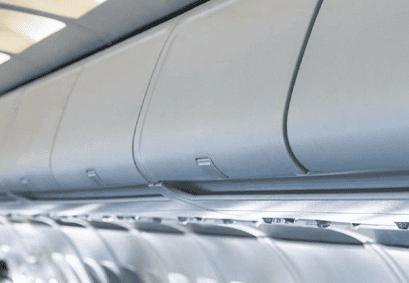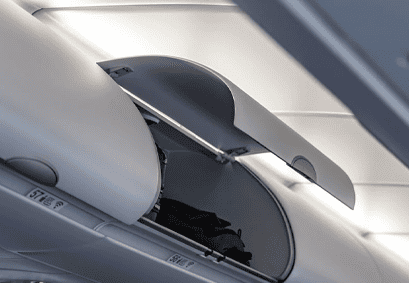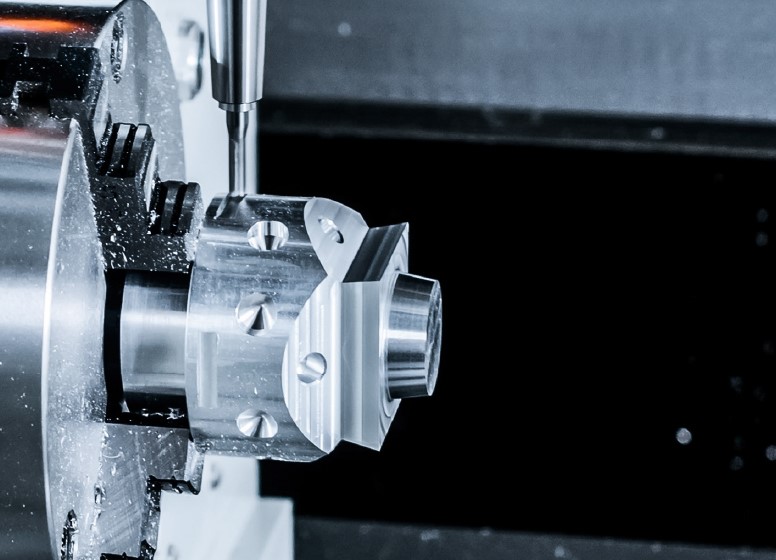
Window Frames

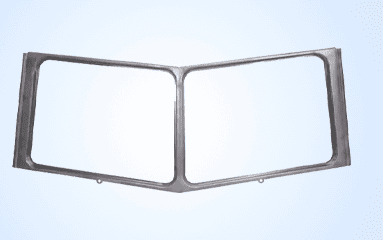
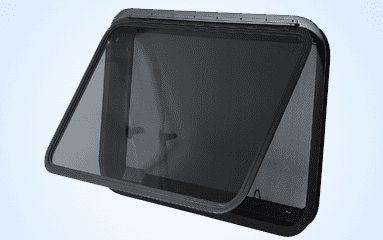
Lightweight, corrosion-resistant structures that hold aircraft windows firmly in position and maintain cabin pressure balance. Made to resist vibration, air pressure changes, and thermal expansion.
Request Technical Review
Process

CNC Milling, CNC Turning, 5-Axis CNC Machining, Laser Cutting

Materials

Aluminum 6061, Titanium Grade 5, Stainless Steel 304, Magnesium Alloy AZ91

Tolerance

±0.005mm

Finishes

Anodizing, Alodine, Passivation, Powder Coating
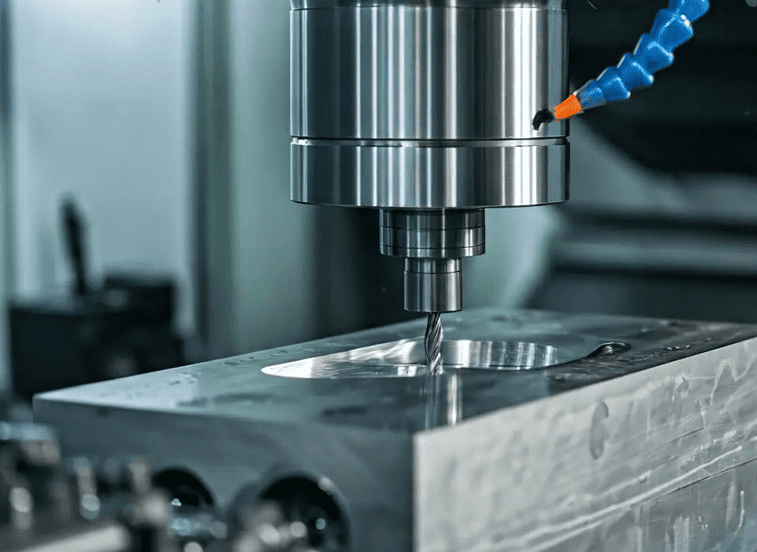
Precision CNC Machining

Reliable Window Frames Certified Production

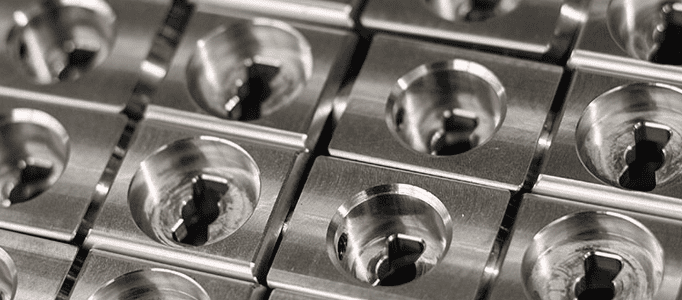
Window frames require precise accuracy to ensure dependable sealing, optical clarity, and mechanical integrity. Every component is machined to exact geometry, preserving aerodynamic alignment, uniform stress distribution, and structural dependability under repeated pressurization cycles.

Get a Quote
Materials for Window Frames

Each material offers the ideal balance of stiffness, corrosion resistance, and lightweight performance, meeting the demanding standards of the aerospace industry.

Aluminum 6061-T6 Titanium Grade 5 Stainless Steel 304 Magnesium Alloy AZ91 Inconel 718
Surface Finishes

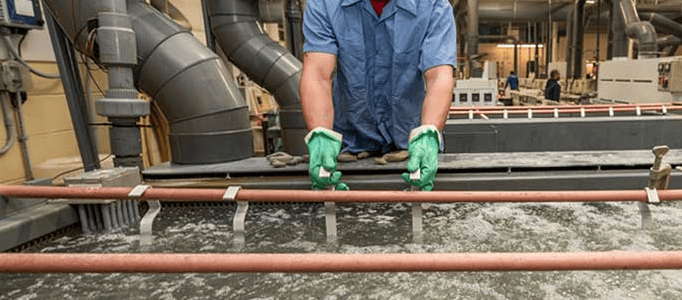
Protective coatings improve surface durability and resist corrosion from humidity and cabin conditions.

  • Anodizing: builds a strong oxide film that resists wear and oxidation.
  • Alodine: adds conductive protection against corrosion.
  • Passivation: removes contaminants to enhance stainless-steel durability.
  • Powder Coating: provides a decorative, long-lasting surface shield.
Applications

Aerospace Window Frames

Manufacturing pressure-critical structural retainers machined from solid billets ensuring fuselage integrity and flight safety compliance.

  • Cockpit Windshield Frames

    High impact resistance maintaining visibility under extreme pressure.

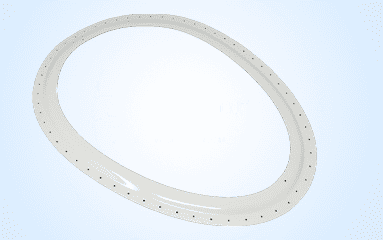
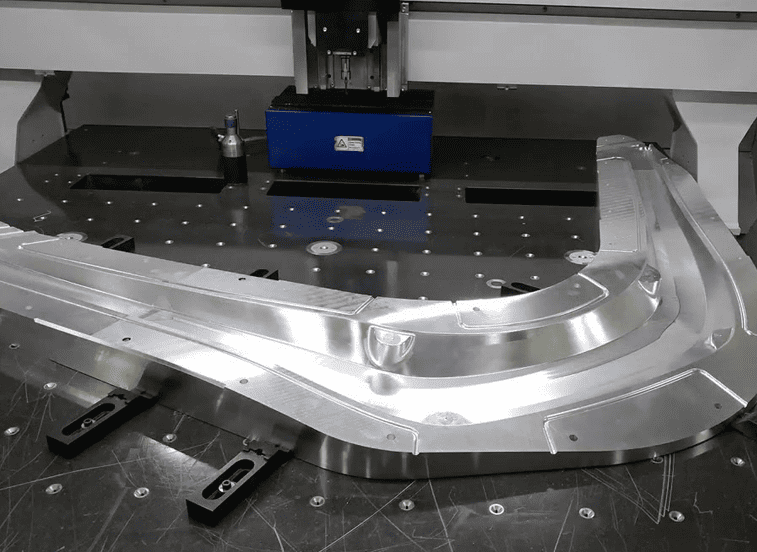
  • Fuselage Window Retainers

    Complex 5-axis contouring ensuring airtight structural pressure sealing.

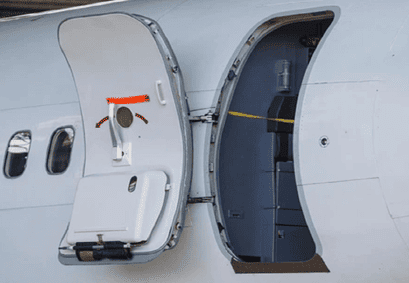
  • Emergency Exit Window Frames

    Robust structural integrity meeting critical rapid-egress safety standards.

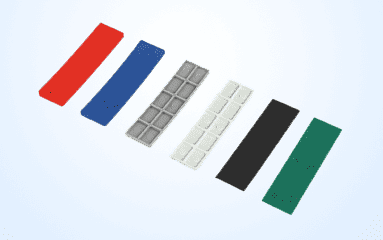
  • PEEK Window Spacers

    Low thermal conductivity preventing frost buildup and condensation.

Capabilities

Capabilities of Our Window Frame
CNC Machining

Advanced 5-axis machining delivers ±0.005 mm dimensional accuracy with smooth contours and balanced wall thickness. Backed by AS9100D certification, FAI, PPAP, and NADCAP-approved finishes, along with full material traceability, we ensure reliable performance with unmatched quality and consistency.

Combined with CAD/CAM simulation, CMM inspection, and structural verification, each window frame achieves an exceptional fit, weight control, and fatigue resistance, ensuring dependable operation throughout the aircraft's service life.

Get a Quote

Technical Parameters

Values

Dimensional Tolerance

±0.005mm

Flatness/Parallelism

≤ 0.01 mm per 100 mm

Max Part Envelope

600 × 500 × 200 mm

Min Wall Thickness

0.7mm (material dependent)

Surface Roughness

Ra 0.8um typical (machined), Ra 0.2um (polished)

Finish Thickness

5 – 25 µm (per specification)

Docs & Certs

FAI, material certs, full lot traceability

process

Process & Quality

DFM Review – We analyze critical datums, load paths, and propose weight-saving ops.
CAM & Fixturing – 5-axis strategies minimize re-clamps and preserve datum integrity.
In-Process Checks – SPC sampling and probing keep parts on target.
FAI & CMM – Full ballooned reports with 3D model-to-part correlation.
Traceability – Heat numbers and finishing lots linked to each serial.
recommend

Related Aerospace Components

  • Door Frames

    Reinforce openings and preserve pressurization.

  • Cabin Panels

    Provide protective and aesthetic interior surfaces.

  • Overhead Bin Brackets

    Support luggage compartments while reducing weight.

FAQ

Frequently Asked Questions

These are our common FAQs. If you need specifics: such as machines, quoting, lead time, shipping, quality process, packaging, or payment, please email info@aerocncparts.com.

Our engineers will reply with clear, detailed information.

Can window frames be adapted for non-standard fuselage shapes?
Yes. Machining programs can adjust geometry to match custom curvatures or retrofit applications.
How is sealing performance maintained under pressure?
Precision tolerances and consistent surface finishes ensure airtight fitment and prevent deformation.
Are there lightweight options available to improve fuel efficiency?
Magnesium and aluminum alloys are frequently chosen to minimize mass while keeping adequate rigidity.
How are coatings validated for endurance?
Finishes undergo adhesion, humidity, and corrosion testing to confirm long-term protective quality.
Which documentation accompanies delivery?
Each order includes inspection reports, traceable material data, and conformity certifications for aerospace acceptance.