Sensor Mounts

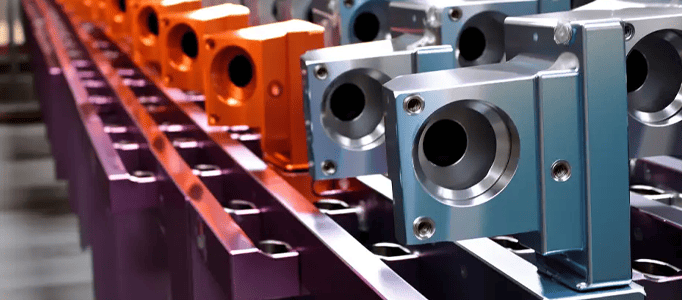
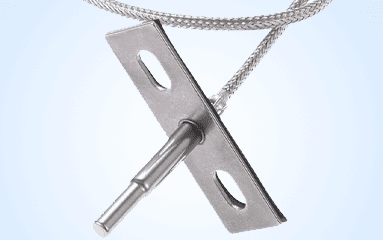
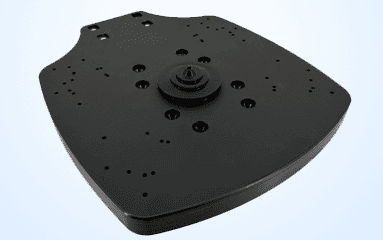
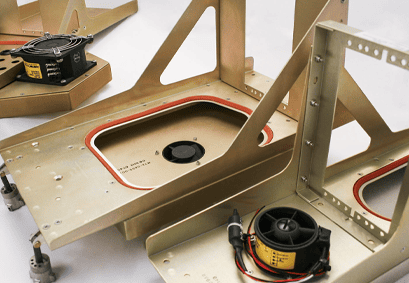
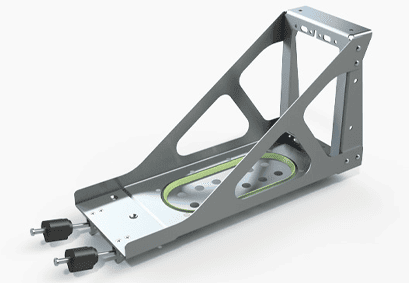
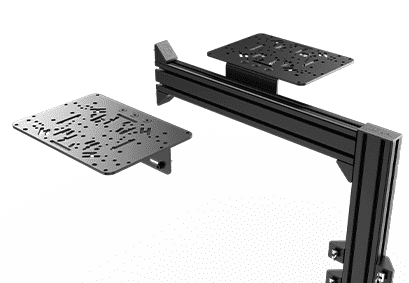
Compact and rigid components that hold sensors firmly in place for accurate readings under high-speed vibration and pressure. Made for absolute alignment, minimal deflection, and stability.
Request Technical Review
Process

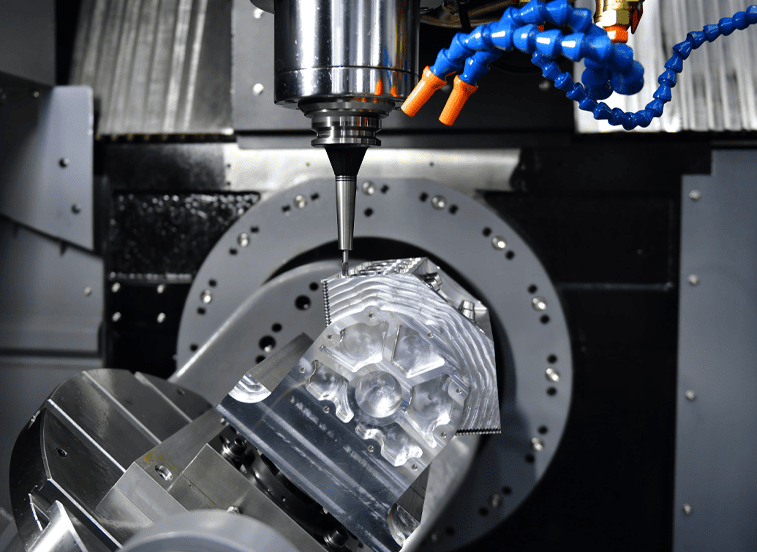
CNC Milling, CNC Turning, 5-Axis Machining, Wire EDM, Laser Cutting

Materials

Aluminum 7075-T6, Stainless Steel 316, Titanium Grade 5, Inconel 718, PEEK

Tolerance

±0.005mm

Finishes

Anodizing, Electropolishing, Passivation, Powder Coating
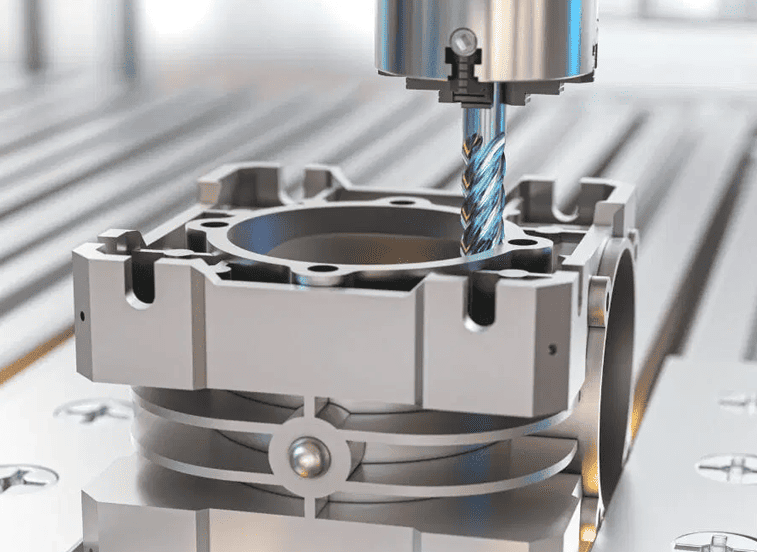
Precision CNC Machining

Accuracy-Driven Sensor Mount Solutions for Reliable Performance

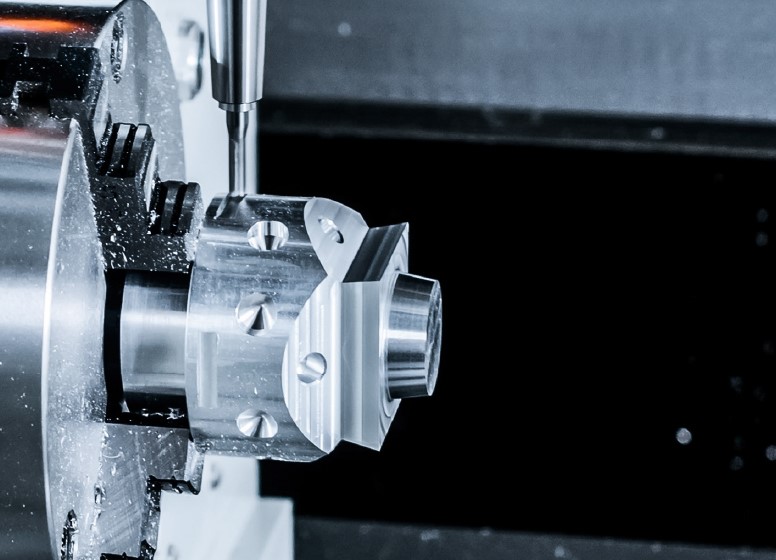
Every sensor mount is engineered to maintain fixed positioning for critical sensing instruments. Dimensional accuracy, thermal compatibility, and vibration resistance ensure uninterrupted signal collection and calibration stability during extreme flight operations. Each unit is inspected for concentricity, alignment, and surface finish before installation.

Get a Quote
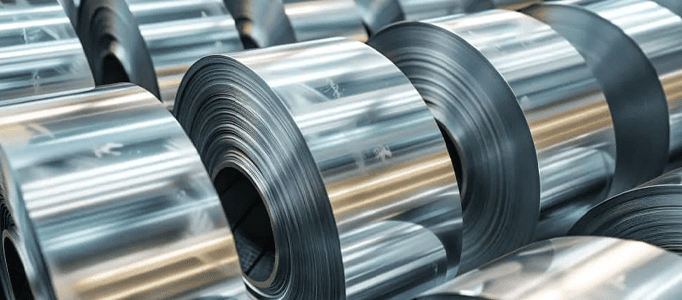
Materials for Sensor Mounts

High-grade materials are selected for strength, thermal stability, and corrosion protection.

Aluminum 7075-T6 Stainless Steel 316 Titanium Grade 5 Inconel 718 PEEK
Surface Finishes

Finishes provide durability, appearance, and environmental protection.

  • Anodizing: Produces a dense oxide layer for strong corrosion and wear resistance.
  • Electropolishing: Creates a smooth, reflective surface free from contamination.
  • Passivation: Removes free iron from stainless steel to prevent the formation of rust.
  • Powder Coating: Adds a uniform protective barrier and professional appearance.
Applications

Aerospace Sensor Mounts

Manufacturing precision fixtures ensuring accurate data acquisition, rigid positioning, and vibration isolation for critical flight monitoring systems.

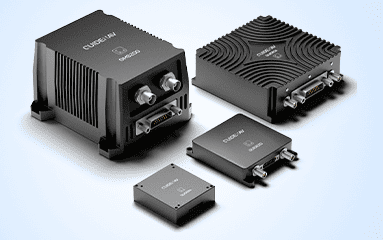
  • IMU Navigation Brackets

    Precision flatness ensuring accurate inertial measurement alignment.

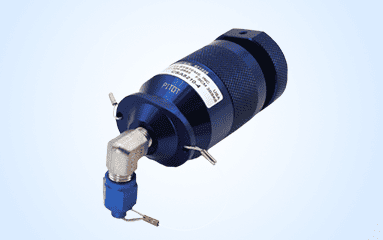
  • Pitot Tube Adapters

    Aerodynamic alignment with robust environmental corrosion resistance.

  • Engine Probe Bosses

    Heat-resistant alloys maintaining seal integrity under pressure.

  • PEEK Radar Mounts

    RF transparent properties with high structural rigidity.

Capabilities

Capabilities of Our Sensor Mount
CNC Machining

High-performance machining systems achieve tolerances of ±0.005 mm for repeatable accuracy. Each mount undergoes dimensional verification, vibration tests, and CMM inspection to ensure reliability and consistency.

Documented traceability, AS9100D, and NADCAP-approved processes and controlled machining environments ensure dependable results across both small- and large-scale production runs.

Get a Quote

Technical Parameters

Values

Dimensional Tolerance

±0.005mm

Flatness/Parallelism

≤ 0.01 mm per 100 mm

Max Part Envelope

600 x 600 x 300mm

Min Wall Thickness

0.6mm (material dependent)

Surface Roughness

Ra 0.8um typical (machined), Ra 0.2um (polished)

Finish Thickness

5-25um (anodize)

Docs & Certs

FAI, CMM, PPAP, material certs, full lot traceability

process

Process & Quality

DFM Review – We analyze critical datums, load paths, and propose weight-saving ops.
CAM & Fixturing – 5-axis strategies minimize re-clamps and preserve datum integrity.
In-Process Checks – SPC sampling and probing keep parts on target.
FAI & CMM – Full ballooned reports with 3D model-to-part correlation.
Traceability – Heat numbers and finishing lots linked to each serial.
recommend

Related Aerospace Components

  • Sensor Brackets

    Hold sensors securely on fuselage structures.

  • Avionics Housings

    Protect electronic systems and connectors.

  • Flight Control Mounts

    Support actuation and monitoring assemblies.

FAQ

Frequently Asked Questions

These are our common FAQs. If you need specifics: such as machines, quoting, lead time, shipping, quality process, packaging, or payment, please email info@aerocncparts.com.

Our engineers will reply with clear, detailed information.

Can these mounts be produced for custom sensor shapes?
Yes. Dimensions, holes, and fitting angles can be adjusted to match unique sensor geometries and interface requirements.
How do these mounts reduce vibration impact?
Strategic geometry, balanced wall thickness, and damping inserts minimize vibration transfer to sensitive electronics.
What testing ensures proper alignment?
Coordinate measuring machines (CMM) verify angular accuracy and offset within ±0.005 mm before assembly.
Are lightweight versions available for UAV applications?
Yes. Titanium and high-grade aluminum enable strong yet ultralight designs, making them ideal for drones and small aircraft.
Which coating is best for high-temperature zones?
Anodizing or electropolished finishes combined with Inconel or titanium material resist heat and oxidation effectively.