Rf Hertz Module

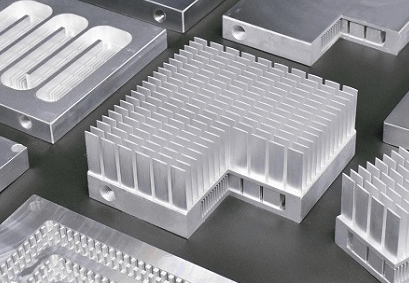
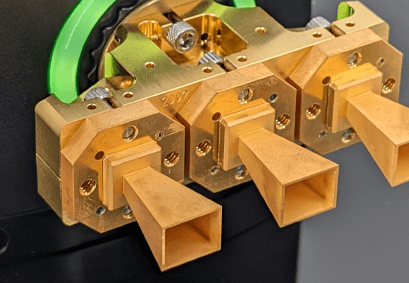
High-strength components that send and receive signals without loss or distortion. Capable of handling high frequencies, resisting heat, and staying reliable during flight.
Request Technical Review
Process

CNC Milling, Wire EDM, Precision Turning, Laser Cutting, Surface Grinding

Materials

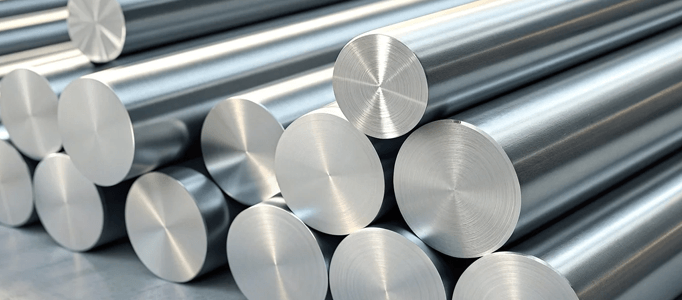
Aluminum 6061-T6, Stainless Steel 304, Copper Beryllium, Titanium Grade 2, Brass C360

Tolerance

±0.005 mm

Finishes

Anodizing, Passivation, Electropolishing, Chemical Conversion Coating
Precision CNC Machining

Accurate Machining for High-Frequency RF Hertz Modules

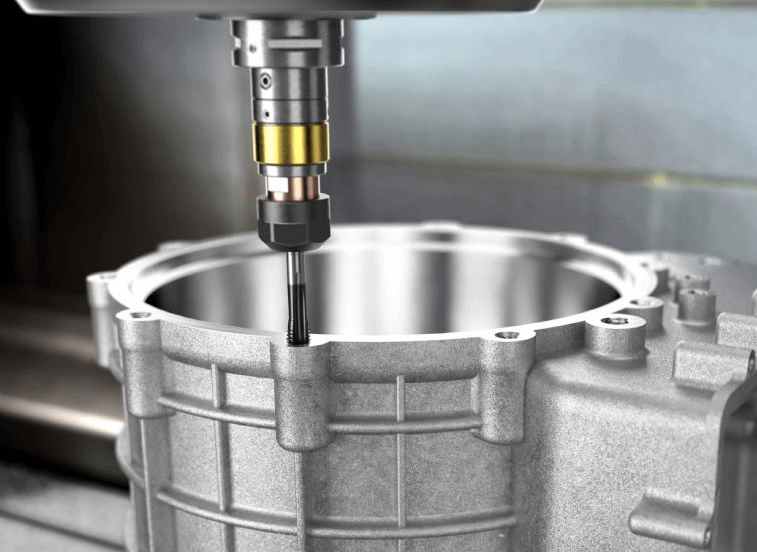
Building RF Hertz modules requires exact cutting and shaping to maintain clean electrical signals.

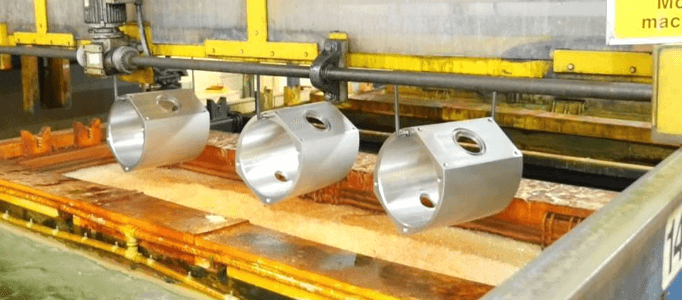
Advanced CNC machines are used to control every detail, from cavity depth to smooth surface texture. Each part undergoes rigorous inspection steps, including PPAP and FAI, to ensure accuracy. With certifications from ISO 9001, AS9100D, and NADCAP, every module meets the highest standards in the aerospace industry.

Get a Quote
Material and Surface Options for RF Hertz Modules

Only top-quality materials are used to ensure excellent conductivity, strength, and corrosion protection.

Aluminum 6061-T6 Stainless Steel 304 Copper Beryllium Titanium Grade 2 Brass C360
Surface Finishes

Anodizing improves the durability and corrosion resistance of aluminum.

  • Passivation: Protects stainless steel from rust and surface damage.
  • Electropolishing: Smooths surfaces to improve conductivity.
  • Chemical Conversion Coating: Provides protection while maintaining stable electrical flow.
Applications

RF Hertz Module Components

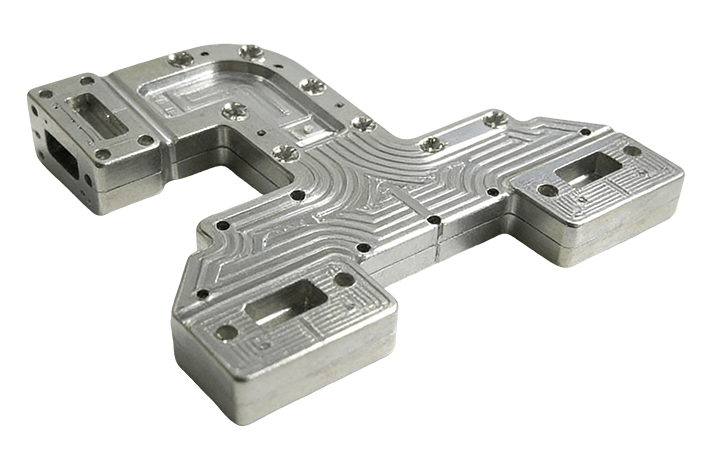
Manufacturing precision-machined housings and cavities ensuring optimal signal integrity, EMI shielding, and thermal management for aerospace communication systems.

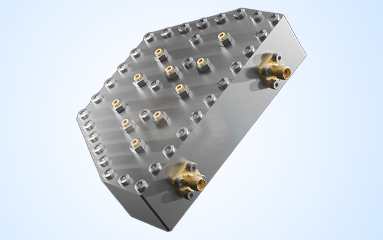
  • Microwave Cavity Filters

    Ultra-low surface roughness minimizing signal transmission loss.

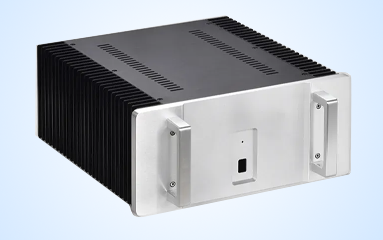
  • RF Amplifier Chassis

    Efficient thermal dissipation protecting high-power active components.

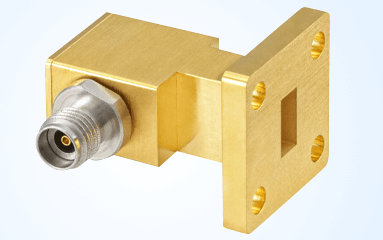
  • Waveguide Flange Adapters

    Precision flatness ensuring leak-free signal interface connections.

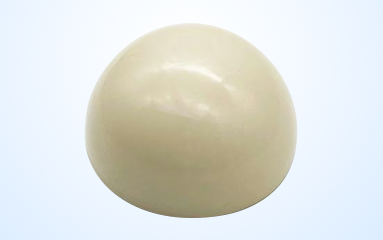
  • PEEK Radome Covers

    RF transparent properties protecting sensitive internal electronics.

Capatibilities

Capabilities of Our RF Hertz Module

Every RF Hertz module is made using high-speed CNC machines, laser measuring systems, and full process tracking. Quality checks ensure that every part meets aerospace standards with a precision of ±0.005mm.

Certified under ISO 9001, AS9100D, and NADCAP, our process guarantees repeatable accuracy and long-term reliability for flight systems and communication devices.

Get a Quote

Technical Parameters

Values

Dimensional Tolerance

±0.005mm

Flatness/Parallelism

≤ 0.01mm per 100mm

Max Part Envelope

600 x 600 x 300mm

Min Wall Thickness

0.6mm (material dependent)

Surface Roughness

Ra 0.8µm (machined), Ra 0.2µm (polished)

Finish Thickness

5–25µm (anodized), per specification on others

process

Process & Quality

DFM Review: Engineering review analyzing load paths and datums.
CAM & Fixturing: Precision fixture design minimizing machining clamping errors.
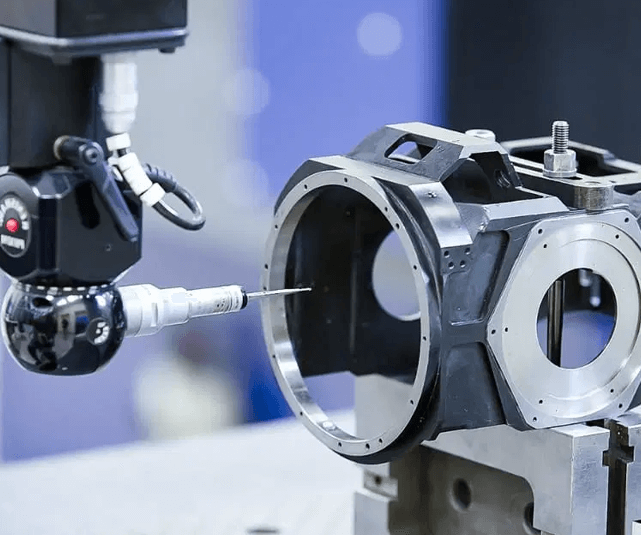
In-Process Checks: Active process control via probing and sampling.
FAI & CMM: Comprehensive FAI reports verifying dimensional conformity.
Traceability: Full lot traceability from certified billet to delivery.
recommend

Related Aerospace Components

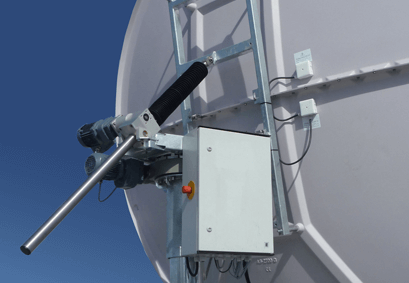
  • Communication Antenna Mounts

    Hold antennas securely for stable signal transfer.

  • Avionics Cooling Plates

    Help manage heat around sensitive electronics.

  • Radar Waveguides

    Carry radio signals smoothly with minimal loss.

FAQ

Frequently Asked Questions

These are our common FAQs. If you need specifics: such as machines, quoting, lead time, shipping, quality process, packaging, or payment, please email info@aerocncparts.com.

Our engineers will reply with clear, detailed information.

What does an RF Hertz module do in aircraft systems?
It helps manage signal transfer between radar, antennas, and communication systems in the aircraft.
What makes these modules suitable for aerospace environments?
They’re made from lightweight, heat-resistant materials that maintain stable performance at high altitudes.
Can custom shapes or cavities be produced?
Yes, modules can be machined to match exact frequency and size needs.
How are the modules tested for accuracy?
They undergo full CMM inspection, electrical testing, and quality verification before approval.
Can small batches or prototypes be made?
Yes, both one-off prototypes and full-scale production runs are available, accompanied by comprehensive documentation.