Custom Radar Communication Modules

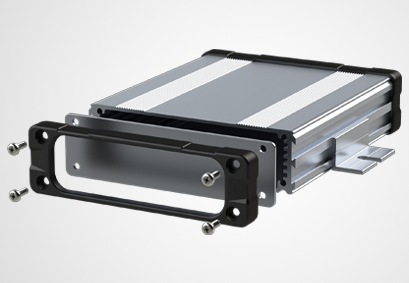
Durable communication parts that help transmit and receive signals clearly during operations. They maintain accuracy under vibration, heat, and altitude stress, ensuring reliable radar connection across complex aerospace systems.
Request Technical Review
Process

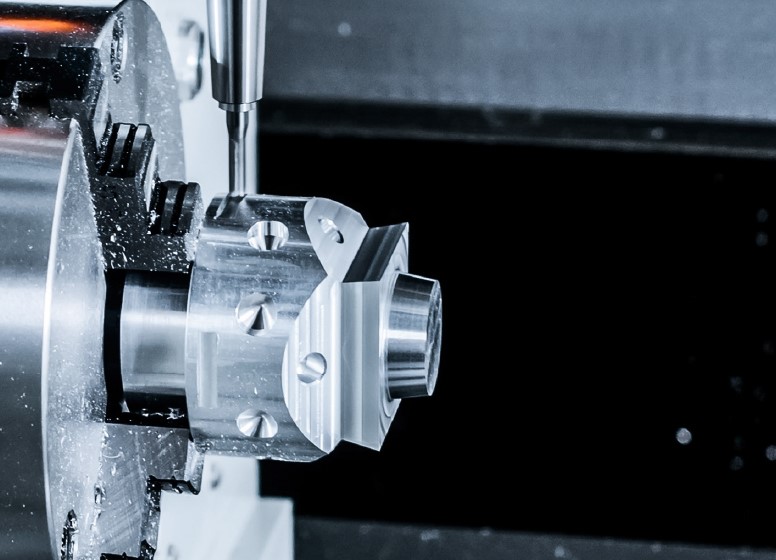
CNC Milling, CNC Turning, 5-Axis Machining, EDM, Laser Cutting

Materials

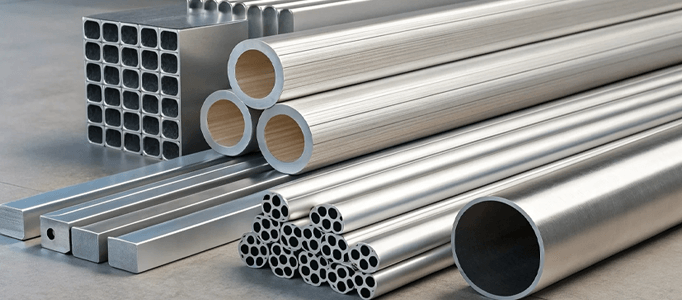
Aluminum 7075, Titanium Grade 5, Stainless Steel 17-4PH, Copper, Brass

Tolerance

±0.005 mm

Finishes

Anodizing, Passivation, Electropolishing, Alodine
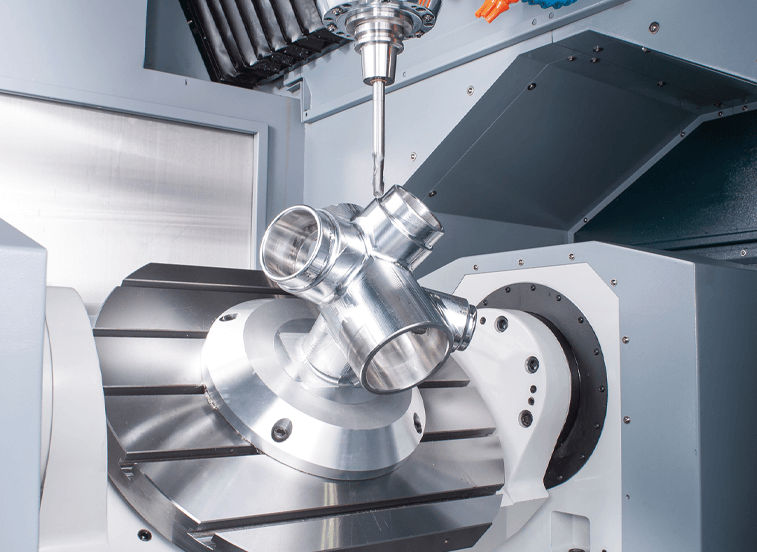
Precision CNC Machining

High Accuracy Radar Communication Components with Total Quality Control

Radar communication parts require extreme accuracy to maintain signal reliability and electromagnetic balance.

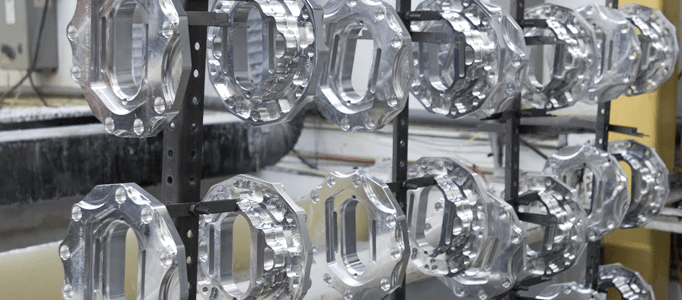
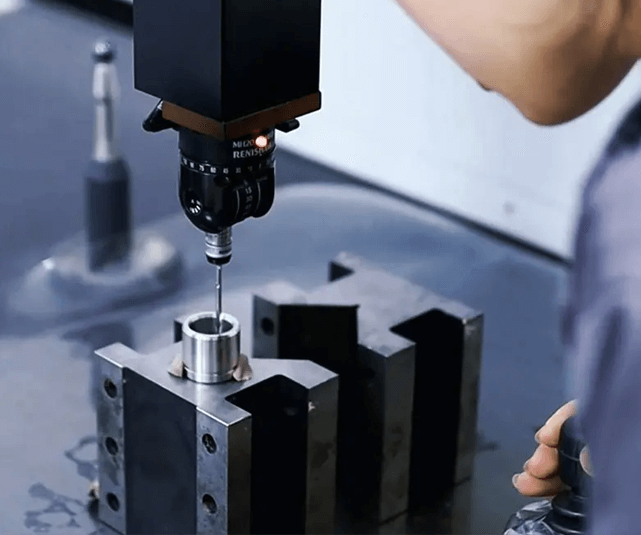
Each module is produced using advanced machining centers, CAD/CAM control, and verified through FAI, and CMM checks. With certifications including ISO 9001, AS9100D, and NADCAP, every part meets the rigorous requirements for aerospace traceability and long-term durability.

Get a Quote
Material and Surface Finishes for Radar Communication Modules

Radar modules depend on materials with high conductivity, strength, and corrosion protection.

Aluminum 7075 Titanium Grade 5 Stainless Steel 17-4PH Copper Brass
Surface Finishes

Anodizing: Enhances corrosion protection and wear life.

  • Passivation: Improves stainless steel’s resistance to oxidation.
  • Electropolishing: Produces smooth, reflective, and clean metal surfaces.
  • Alodine: Adds conductivity and light corrosion resistance for use in aerospace applications.
Applications

Radar Communication Module Components

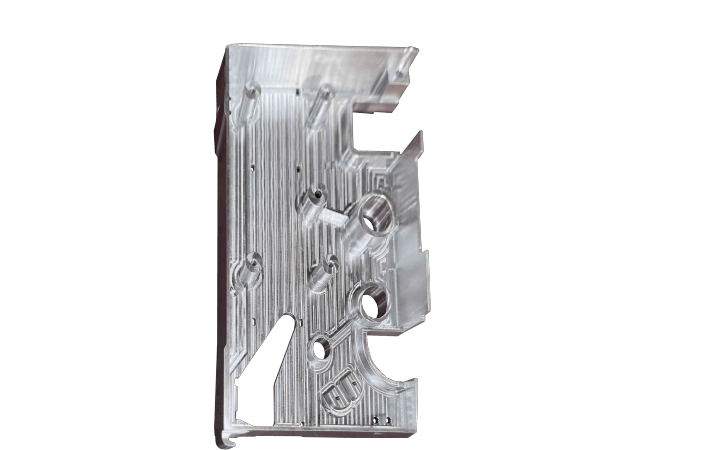
Manufacturing high-precision chassis and waveguides ensuring signal clarity, thermal stability, and EMI protection for critical aerospace radar systems.

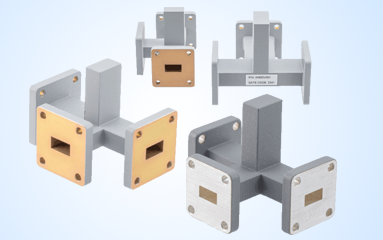
  • Waveguide Splitter Blocks

    Precision internal channels minimizing signal attenuation loss.

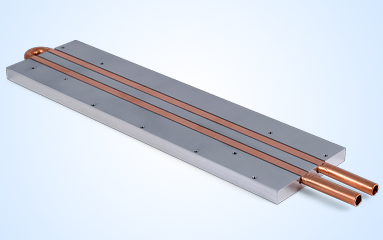
  • Active Liquid Cold Plates

    Efficient thermal management for high-power radar electronics.

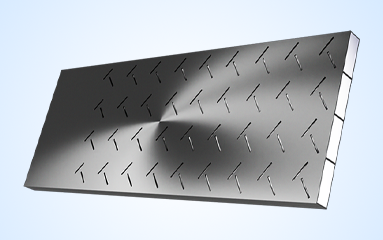
  • Antenna Array Backplates

    Rigid flatness maintaining precise phased array alignment.

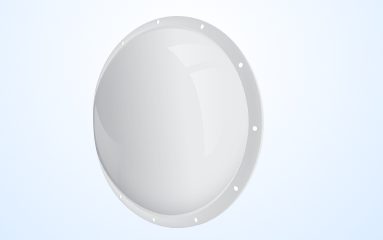
  • PEEK Radome Windows

    RF transparency with high environmental impact resistance.

Capatibilities

Capabilities of Our Radar Communication Module Machining

Radar modules are produced with ±0.005 mm tolerance using advanced multi-axis equipment. Each part is inspected with CMM and optical tools to maintain dimensional consistency.

Certified under ISO 9001, AS9100D, and NADCAP, this ensures complete traceability, uniform accuracy, and dependable performance for radar communication and aerospace signal applications.

Get a Quote

Technical Parameters

Specifications / Values

Dimensional Tolerance

±0.01mm (Connector cutouts & PCB mounting points), ±0.05mm (External profile)

Flatness/Parallelism

≤ 0.01mm per 100mm (Critical for Thermal Interface areas)

Max Part Envelope

400 x 300 x 150mm (Accommodates multi-board integrated housings)

Min Wall Thickness

0.5mm (Cooling fins), 1.0mm (Structural walls)

Surface Roughness

Ra 0.8µm (General), Ra 0.4µm (Thermal mounting pads)

process

Process & Quality

DFM Review: Engineering review analyzing load paths and datums.
CAM & Fixturing: Precision fixture design minimizing machining clamping errors.
In-Process Checks: Active process control via probing and sampling.
FAI & CMM: Comprehensive FAI reports verifying dimensional conformity.
Traceability: Full lot traceability from certified billet to delivery.
recommend

Related Aerospace Components

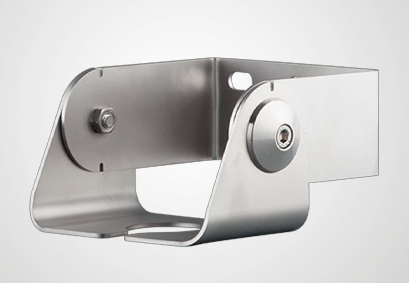
  • Sensor Brackets

    Maintain radar sensor alignment.

  • Electronic Housings

    Protect signal control systems.

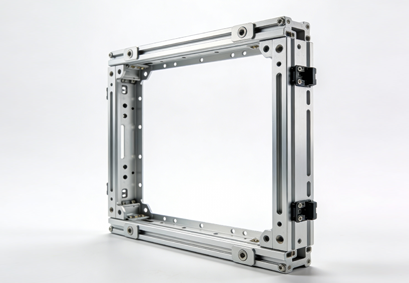
  • Communication Frames

    Support radar data transmission units.

FAQ

Frequently Asked Questions

These are our common FAQs. If you need specifics: such as machines, quoting, lead time, shipping, quality process, packaging, or payment, please email info@aerocncparts.com.

Our engineers will reply with clear, detailed information.

Can radar modules support different communication frequencies?
Yes. Each module can be adjusted to match various radar frequency bands for air, land, or marine systems.
How is accuracy confirmed for each component?
Parts are tested through dimensional checks, surface measurements, and electromagnetic compatibility reviews before approval.
Can both small and large batches be produced?
Yes, both prototype and mass-production runs follow the same inspection and documentation process.
What is the expected lead time for production?
Production generally takes 4 to 7 days, depending on module complexity and order quantity.
What compliance documents are provided after production is complete?
Each order includes FAI reports, traceability sheets, and material certificates confirming aerospace quality compliance.