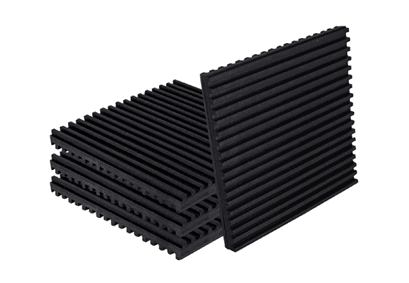
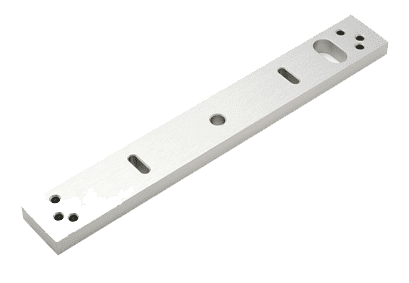
Front Press Block

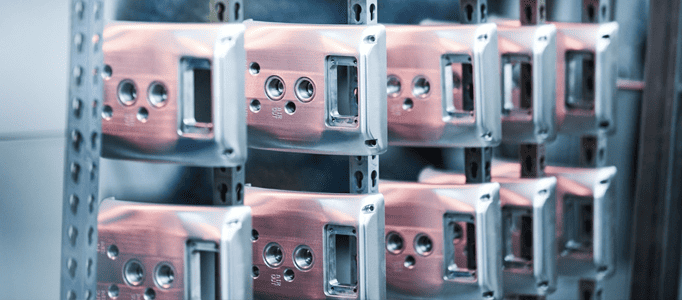
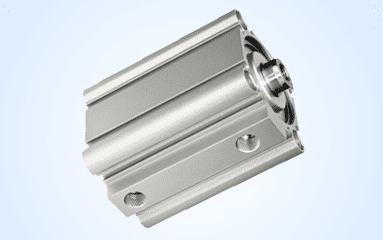
Durable components that ensure accurate pressure distribution for structures requiring consistent alignment and compression stability. They maintain reliability under mechanical stress and exposure to heat.
Request Technical Review
Process

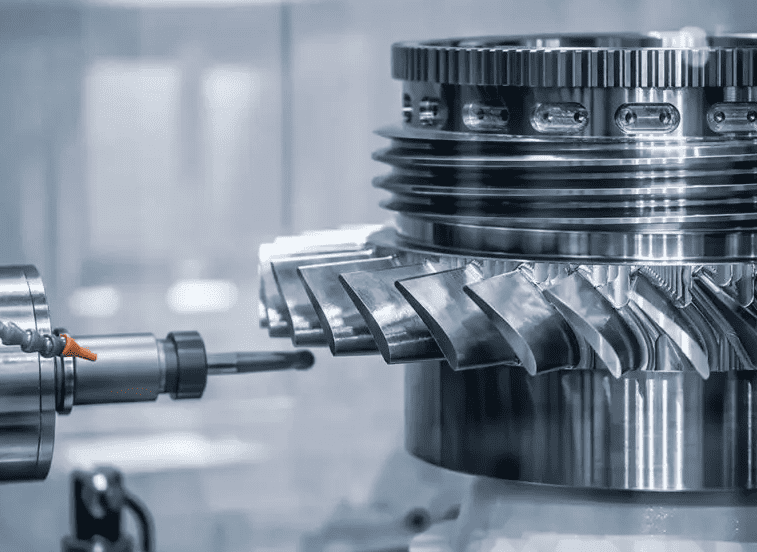
CNC Milling, Surface Grinding, Wire EDM, Precision Drilling

Materials

Tool Steel (H13), Stainless Steel (17-4PH), Aluminum 7075, Inconel 718, Titanium Grade 5

Tolerance

±0.01 mm

Finishes

Anodizing, Electropolishing, Nickel Plating, Passivation
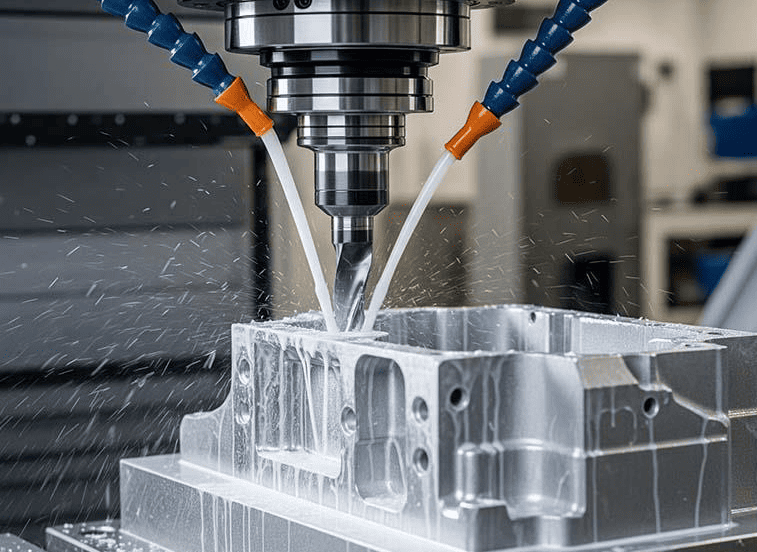
Precision CNC Machining

Front Press Block
CNC Machining with
Full Traceability

Front press blocks enhance performance by stabilizing high-pressure interfaces and maintaining surface precision under continuous loading. Their superior flatness ensures parallel contact, reliable compression, and smooth operation in demanding structural or mechanical systems, even during prolonged vibration or temperature fluctuations.

Get a Quote
Materials for Front Press Blocks
Tool Steel (H13) Stainless Steel (17-4PH) Aluminum 7075 Inconel 718 Titanium Grade 5
Surface Finishes

  • Anodizing: creates a corrosion-resistant oxide coating with improved hardness and durability.
  • Electropolishing: produces a smooth, reflective finish free from micro-burrs and contaminants.
  • Nickel Plating: enhances surface wear resistance and provides uniform protection against oxidation.
  • Passivation: strengthens stainless steel’s natural resistance by removing embedded impurities and free iron.
Applications

Aerospace Front Press Blocks

Manufacturing precision-machined compression components ensuring secure retention and accurate alignment within avionics racking and structural assemblies.

  • Avionics Tray Locking Blocks

    High shear strength ensuring secure electronic module retention.

  • Structural Panel Press Blocks

    Robust aluminum construction maintaining pressure on bonded assemblies.

  • Mechanical Actuation Stop Blocks

    Impact-resistant geometry defining precise travel limits for mechanisms.

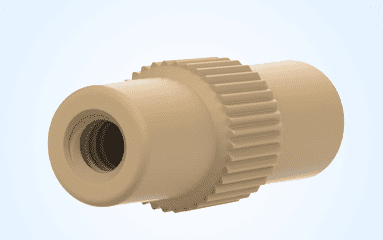
  • PEEK Assembly Press Blocks

    Non-marring surface preventing damage to delicate mated components.

Capabilities

Capabilities of Our Front Press Block Production

Precision machining delivers front press blocks with micron-level dimensional accuracy and excellent compressive balance, ensuring every piece aligns with NADCAP and AS9100 standards.

Each component undergoes full CMM inspection, PPAP, and flatness validation to ensure stability and repeatable alignment performance in vibration-prone or thermally dynamic operating environments.

Get a Quote

Technical Parameters

Values

Dimensional Tolerance

±0.01mm

Flatness

≤ 0.005 mm

Max Part Envelope

600 x 600 x 300mm

Max Block Size

300 × 300 × 200 mm

Surface Roughness

Ra 0.4–0.8 µm

Material hardness

Up to 50–60 HRC (depending on alloy)

Docs & Certs

FAI, material certs, full lot traceability

process

Process & Quality

DFM Review – We analyze critical datums, load paths, and propose weight-saving ops.
CAM & Fixturing – 5-axis strategies minimize re-clamps and preserve datum integrity.
In-Process Checks – SPC sampling and probing keep parts on target.
FAI & CMM – Full ballooned reports with 3D model-to-part correlation.
Traceability – Heat numbers and finishing lots linked to each serial.
recommend

Related Aerospace & Mechanical Components

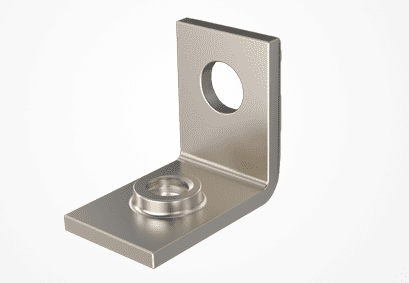
  • Mounting Brackets

    Maintain component positioning and rigidity.

  • Load Pads

    Absorb shock and compressive stress.

  • Spacer Plates

    Ensure precision spacing and dimensional consistency.

FAQ

Frequently Asked Questions

These are our common FAQs. If you need specifics: such as machines, quoting, lead time, shipping, quality process, packaging, or payment, please email info@aerocncparts.com.

Our engineers will reply with clear, detailed information.

What makes front press blocks essential in precision assembly systems?
They maintain exact load paths and prevent misalignment or deflection, ensuring uniform pressure distribution and extending the system's life.
Can front press blocks operate effectively under thermal cycling?
Yes. Heat-treated tool steel or Inconel variants sustain stable performance across repetitive temperature changes.
Are flatness and hardness tested during inspection?
Every block undergoes hardness verification and CMM-based flatness measurement before approval for service use.
Can custom coatings or thickness levels be applied?
Yes. Coating types and thicknesses are adjustable to meet environmental or frictional performance requirements.
What documentation accompanies each production lot?
Complete traceability records, FAI reports, and material certifications are supplied for all production quantities.