Connector Plates

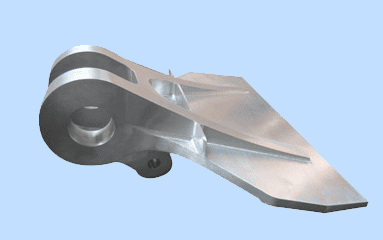
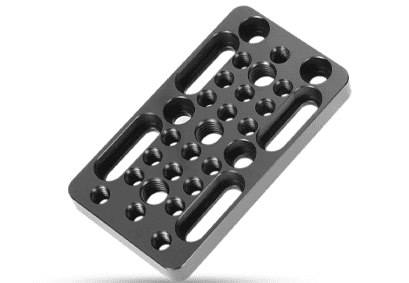
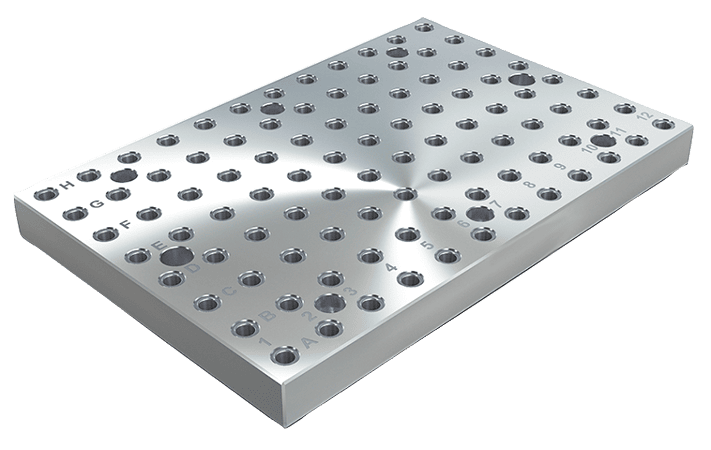
Lightweight, high-strength components that join and stabilize aircraft systems. These plates ensure secure mechanical or electrical linkage, maintain alignment under stress, and deliver exceptional fatigue resistance.
Request Technical Review
Process

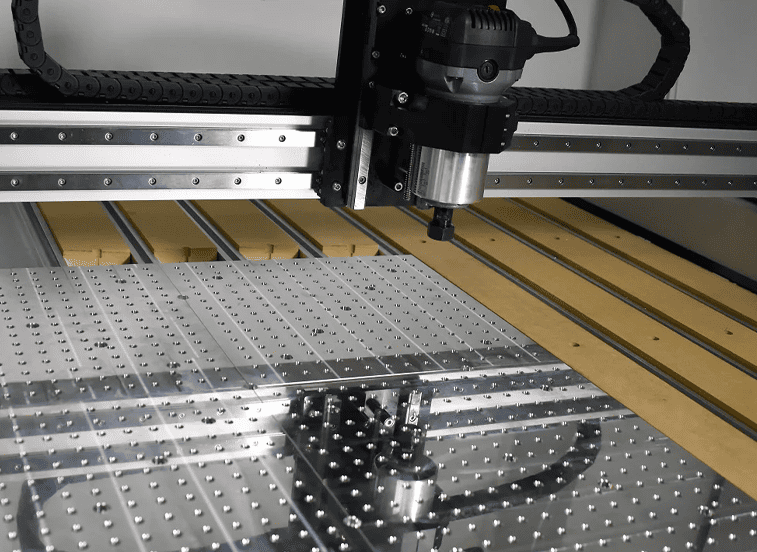
CNC Milling, 5-Axis Machining, Wire EDM, Laser Profiling, Surface Grinding

Materials

Aluminum 7075-T6, Stainless Steel 17-4PH, Titanium Grade 5, Inconel 625, Copper

Tolerance

±0.005mm

Finishes

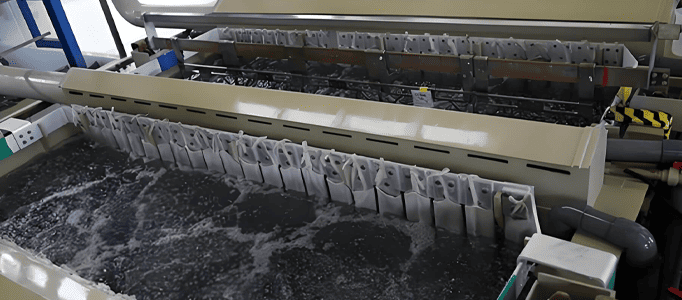
Anodizing, Alodine, Passivation, and Electropolishing.
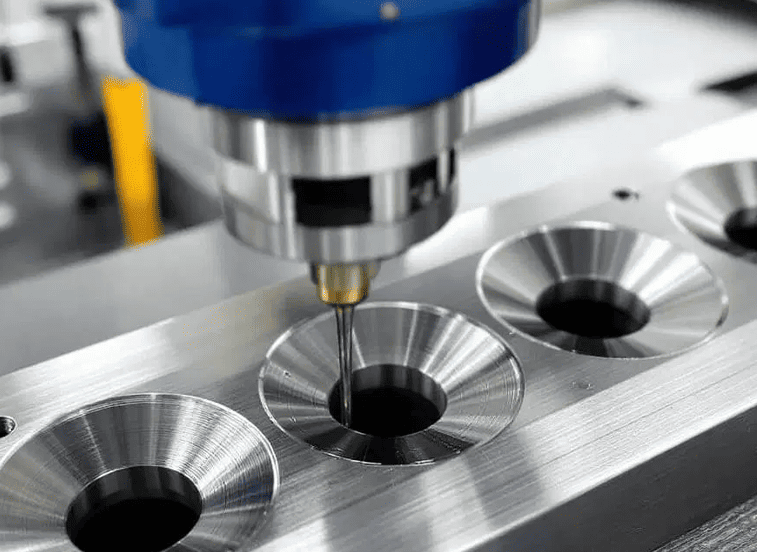
Precision CNC Machining

Precision-Machined Connector Plates for Consistent Connectivity

Connector plates enable precise structural or electrical alignment between components, ensuring stability in high-vibration and high-temperature zones. Each part undergoes advanced machining and inspection to maintain dimensional accuracy, excellent surface flatness, and consistent strength across all mounting and joining areas.

Get a Quote
Materials for Connector Plates

High-performance metals are used for durability, weight balance, and environmental resistance.

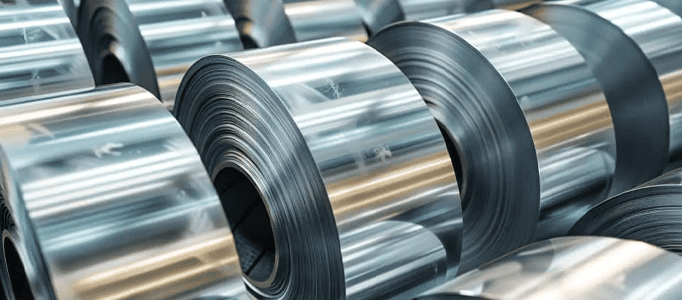
Aluminum 7075-T6 Stainless Steel 17-4PH Titanium Grade 5 Inconel 625 Copper
Surface Finishes

Each surface treatment enhances the plate’s protective and functional characteristics.

  • Anodizing: Adds a corrosion-resistant, hard oxide film on aluminum surfaces.
  • Alodine: Chemical coating that improves conductivity and corrosion defense.
  • Passivation: Strengthens stainless steel’s resistance to oxidation.
  • Electropolishing: Refines surface texture for reduced friction and a mirror-like finish.
Applications

Aerospace Connector Plates

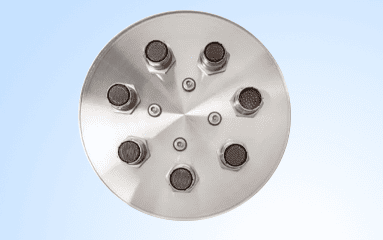
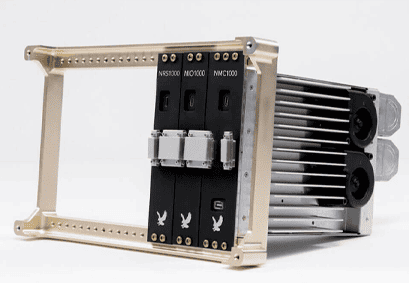
Fabricating robust interface plates providing secure organization and EMI shielding for complex aerospace electrical and hydraulic interconnections.

  • Bulkhead Feed-Through Plates

    Pressure-tight sealing maintaining fuselage structural integrity.

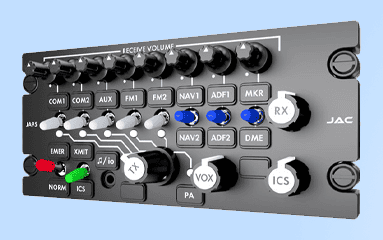
  • Avionics Interface Panels

    Effective EMI shielding with precise connector alignment

  • Wing Root Joint Plates

    High shear strength transferring critical structural loads.

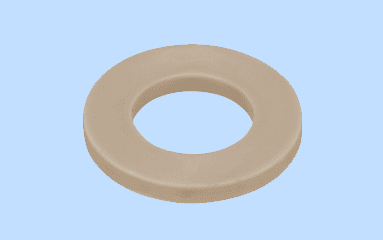
  • PEEK Isolation Plates

    Electrical galvanic isolation with high thermal resistance.

Capabilities

Our Connector Plate Machining Capabilities

Connector plates are produced with ±0.005 mm accuracy using modern 5-axis centers and CAD/CAM precision tools. All processes comply with the ISO 9001 and AS9100D quality frameworks, and finishing operations are NADCAP certified.

Dimensional validation, FAI documentation, and material tracking ensure complete traceability and repeatable high performance.

Get a Quote

Technical Parameters

Values

Dimensional Tolerance

±0.005 mm

Flatness/Parallelism

≤ 0.01 mm per 100 mm

Max Part Envelope

600 x 600 x 300mm

Min Wall Thickness

0.6mm (material dependent)

Surface Roughness

Ra 0.8um typical (machined), Ra 0.2um (polished)

Finish Thickness

5-25um (anodize), per spec on others

Docs & Certs

FAI, CMM, material certs, full lot traceability

process

Process & Quality

DFM Review – We analyze critical datums, load paths, and propose weight-saving ops.
CAM & Fixturing – 5-axis strategies minimize re-clamps and preserve datum integrity.
In-Process Checks – SPC sampling and probing keep parts on target.
FAI & CMM – Full ballooned reports with 3D model-to-part correlation.
Traceability – Heat numbers and finishing lots linked to each serial.
recommend

Related Aerospace Components

  • Avionics Housings

    Protect electronic assemblies from vibration and EMI.

  • Mounting Plates

    Support fasteners, actuators, and structural brackets.

  • Cable Retainers

    Organize and secure electrical routing paths.

FAQ

Frequently Asked Questions

These are our common FAQs. If you need specifics: such as machines, quoting, lead time, shipping, quality process, packaging, or payment, please email info@aerocncparts.com.

Our engineers will reply with clear, detailed information.

Can connector plates be optimized for reduced weight?
Yes. Lightweight alloys, such as aluminum or titanium, are commonly used to minimize aircraft mass without compromising structural integrity.
Are these plates adaptable for hybrid mechanical-electrical interfaces?
Yes. They can serve dual purposes, providing both mechanical support and electrical conduction, depending on the coating type and base material.
How is flatness maintained during machining?
Thermal control and precision fixturing ensure parallelism and flatness within the specified limits, even on large or thin plates.
What certifications apply to production and finishing?
All operations adhere to ISO 9001 and AS9100D standards, while coating and surface finishing are performed under NADCAP approval.
Can you produce multi-hole or multi-layer plate assemblies?
Yes. Complex plate assemblies with varying hole patterns, slots, or stacked layers can be accurately machined for both prototype and full production runs.