Aerospace Plastic Components, CNC Machined to Print

We CNC machine aerospace plastic components to your drawing: insulators, standoffs, bushings, seals and cabin parts, from first article to repeat batches.
Request Technical Review
Processes

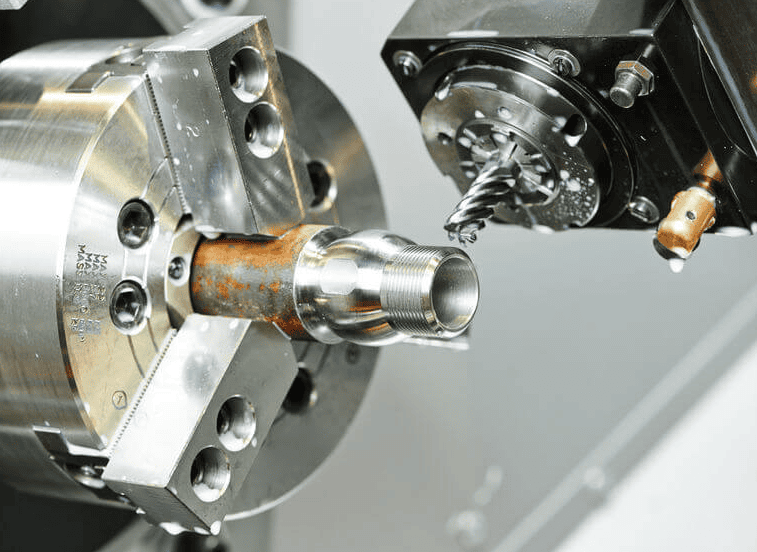
CNC machining from engineering-plastic stock shapes

Materials

PEEK, Ultem (PEI), PTFE, Delrin

Finishes

As machined, light finishing passes, clean cutting

Documents

Material certs, FAI, CoC, lot traceability on request
Precision CNC Machining

Aerospace Plastic Components Machined to Your Drawing

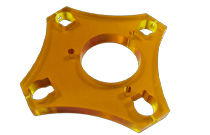
Aircraft and spacecraft use plastic where metal is too heavy, conducts when a part must insulate, wears its mating part or fails a chemical requirement. AeroCNCParts, a machining division of DEK, machines aerospace plastic components from engineering-plastic stock shapes to your drawing. We machine; we do not mold.

Parts run from first article to repeat batches, with lot traceability and material certificates on request. Cabin plastic parts are often ordered with the metal hardware around them, part of our aircraft interior parts range.

Get a Quote
High-Performance Plastics for Aerospace

Grades are chosen for temperature, flame resistance, friction and dielectric strength; see PEEK machining and Ultem (PEI) machining. The grade on your drawing governs.

PEEK Ultem 1000 (PEI) PTFE Delrin (POM)
Machined Surfaces and Edges

On plastics, surface quality comes from how the part is cut, held to the drawing's callout.

  • Sharp tooling: polished cutters and light finishing passes limit heat, burrs and smeared edges.
  • Clean cutting: air blast or a coolant you accept, so the part is not contaminated.
  • Stress relief: annealed stock, or rough machining then stress relief, keeps parts from warping.
  • Moisture: grades such as acetal and nylon are machined and measured at a stable condition.
Applications

Aerospace plastic components we machine

Every type below is machined to your drawing from engineering-plastic stock shapes, not picked from a catalog; the grade follows the requirement the part must meet.

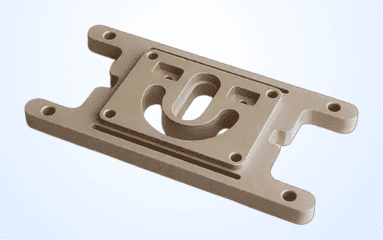
  • Electrical Insulators and Standoffs

    PEEK or Ultem (PEI) for dielectric strength and stiffness at temperature.

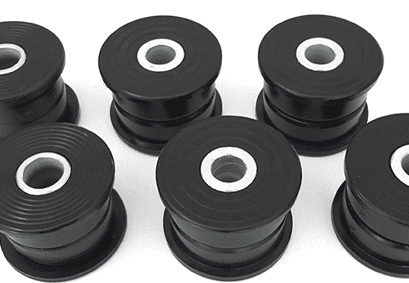
  • Wear Pads, Bushings and Bearings

    Low friction without lubrication in PEEK, PTFE or Delrin.

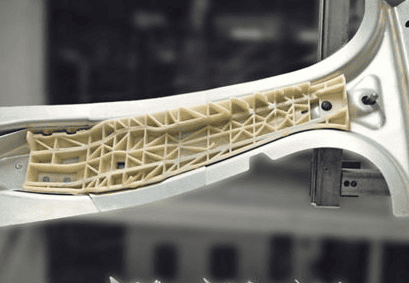
  • Cabin Bezels, Housings, Spacers

    Flame-rated Ultem (PEI) grades at low weight for cabin parts.

  • Seals and Backup Rings

    Chemical resistance and low friction in PTFE.

Capabilities

Machining Plastics to Tight Tolerances

Plastics move more than metals, so tolerance depends on how the stock, the cut and the measurement are controlled. Engineering plastics expand several times more than aluminum per degree, so parts are measured at a controlled temperature after they stabilize.

Inspection follows the same plan as our metal parts; see quality assurance and inspection. FAI reports, material certificates and CoC are supplied on request.

Get a Quote

Processes

CNC machining from engineering-plastic stock shapes; no molding

Materials

PEEK, Ultem 1000 (PEI), PTFE, Delrin (POM), glass/carbon-filled

Typical service temp

PEEK 250 °C, PTFE 260 °C, PEI 170 °C, POM 100 °C (datasheets)

Flammability

Qualified grade you specify; FAR 25.853 test by customer or lab

Outgassing

Grade per drawing; ASTM E595 screening by customer or lab

Inspection

Same plan as our metal parts, measured at controlled temperature

Documentation

Material certificates, FAI, CoC and lot traceability on request

Quantities

First article through repeat batches

Process

Process & Quality

DFM review: datums, load paths and cost-driving features checked before we cut.
CAM and fixturing: toolpaths planned so bores and faces share one datum scheme.
In-process checks: probing and sampling keep critical features on target.
First article and CMM: FAI and CMM reports supplied on request.
Traceability: heat or lot numbers and finishing records tied to each batch.
Recommend

Related Assemblies and Guides

  • Metal and Plastic Assemblies

    One drawing review and inspection plan for both parts.

  • Satellite Hardware

    Where outgassing questions come up most often.

  • PEEK vs Ultem vs PPSU

    How to choose between grades for aircraft interiors.

FAQ

Frequently Asked Questions

Answers on aerospace plastics, FAR 25.853, high-temperature grades, tolerances and molding.

What are aerospace plastics?
Engineering and high-performance polymers such as PEEK, PEI, PTFE, PAI, PI and PPSU, chosen for weight, temperature, chemical resistance and flammability or outgassing requirements.
Are machined plastic parts FAR 25.853 compliant?
Compliance depends on the material grade and the part configuration. We machine the qualified grade you specify and supply material certificates on request; testing is done by the design holder or a test laboratory.
Which plastic should I use for high-temperature aerospace parts?
PEEK, at around 250 °C continuous, or a polyimide such as Vespel for higher temperatures; Ultem suits flame-rated interior parts up to around 170 °C.
Can you hold tight tolerances on plastic parts?
Yes, with stress-relieved stock, sharp tooling and temperature-controlled measurement; the achievable tolerance depends on the material's thermal expansion.
Do you mold plastic parts?
No. AeroCNCParts CNC machines plastic components from stock shapes; it does not mold or thermoform them.

Send your drawing and 3D model for a quote: an engineer reviews it before machining, NDAs are signed on request, and repeat batches follow the same inspection plan.