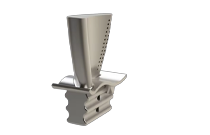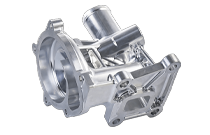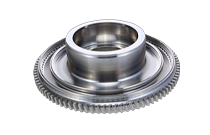
High-Performance Inconel for Aerospace Parts

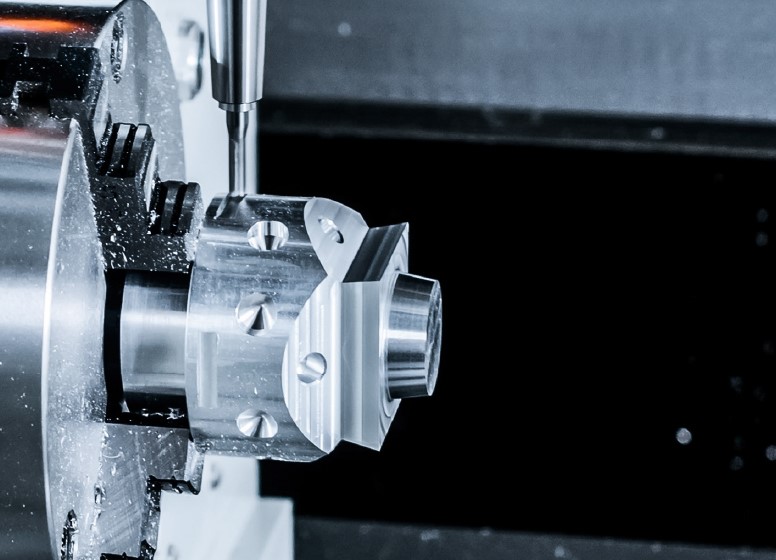
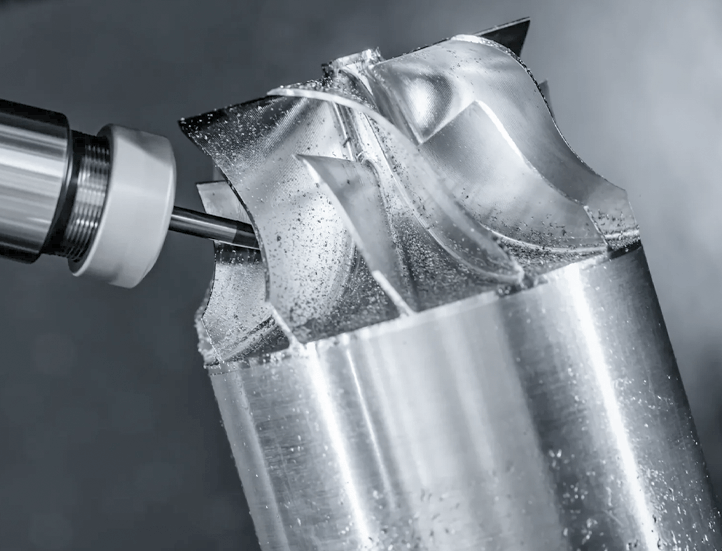
Inconel is valued for its exceptional strength, oxidation resistance, and protection against corrosion at extreme temperatures. It requires carefully selected tools and tightly controlled machining to achieve consistent results.
Request Technical Review
What it is

Inconel for Precision-Critical Aircraft Components

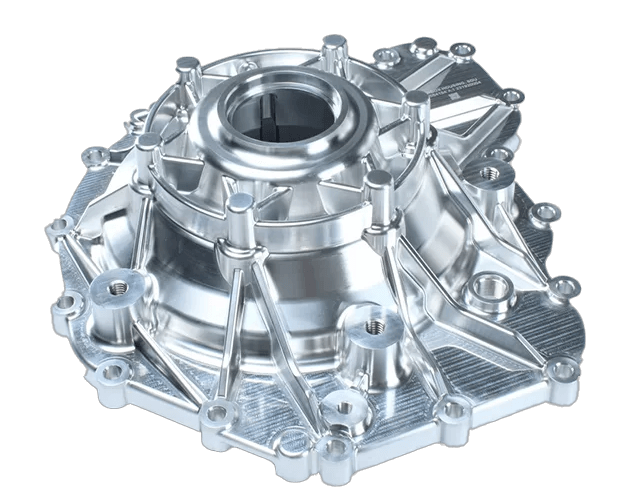
AeroCNCParts offers advanced machining of Inconel aerospace parts with ±0.005 mm accuracy. Utilizing AS9100 and NADCAP-approved processes, along with full traceability and multi-axis capabilities, we manufacture reliable critical aircraft components.

  • Complete batch documentation and lot traceability
  • Expertise in intricate Inconel geometries
  • FAI,  and full inspection support
  • ISO 9001 certification and ITAR registration
At a Glance

Inconel Key Properties

Density

8.2 – 8.5 g/cm3

Ultimate Tensile

750 – 1350MPa

Yield Strength

400 – 1100MPa

Hardness

30 – 40HRC

Elastic Modulus

200 – 210GPa

Machinability

Low

( Requires tightly controlled setup)

Weldability

Excellent

Corrosion

Excellent

Finishes

Common Surface Treatments for Inconel

Passivation

Removes surface contaminants; enhances natural corrosion resistance.

  • Aerospace standard finish that reinforces the chromium oxide layer, improving corrosion protection in demanding environments.

Electropolishing

Micro-smooth finish; improved brightness & cleanliness.

  • Removes microscopic peaks to produce a uniform, low-roughness surface, reducing fatigue and improving crack resistance.

PVD/CVD Coatings

Extreme surface hardness; superior wear & heat resistance.

  • Deposits TiN or AITiN coating for superior wear protection and friction performance under high heat conditions.
Advantages

Advantages of Inconel

  • Outstanding High-Temperature Capability

    Retains mechanical performance up to 1000 °C and is Ideal for turbines, rocket engines, and hot-section parts.

  • High Corrosion Protection

    Resists oxidation, seawater, and aggressive chemicals common in aerospace service.

  • Excellent Weldability

    Alloys such as Inconel 718 weld with minimal risk of cracking compared to many nickel alloys.

  • Fatigue and Creep Resistance

    Maintains dimensional stability under vibration, cyclic loading, and prolonged stress at elevated temperatures.

Comparison

Inconel 718 VS 625 & X-750

High-level comparison of common aerospace inconel. Always align to your project spec.

Alloy Strength Corrosion resistance Fracture Toughness Machinability Note
Inconel 718 High Good Excellent Difficult (Requires careful process  control) Industry standards, offering the best mix of weldability, strength, and toughness.
Inconel 625 Moderate Excellent Good Difficult Excellent corrosion resistance, suited for ducting and exhaust systems
Inconel X – 750 High Fair Moderate Poor Excels at very high temperatures and creep resistance.
FAQ

FAQs about Inconel Machining

Which Inconel alloys are most common in aerospace?
Inconel 718, 625, and X-750 are preferred due to their exceptional strength, oxidation stability, and high-temperature endurance.
What finishes work best on Inconel parts?
Passivation, electropolishing, shot peening, and PVD coatings enhance fatigue strength and corrosion resistance.
Can Inconel achieve tight aerospace tolerances?
Yes, using modern multi-axis CNC equipment and strict process control, AeroCNCParts achieves tolerances of ±0.005 mm.
How long does it take to machine Inconel parts?
Lead time depends on part complexity, typically ranging from 4 to 7 days.
Does AeroCNCParts produce Inconel components in large quantities?
Yes. We handle both prototype and production batches under AS9100D-certified processes to ensure uniform quality and repeatability.
Materials

Related Materials