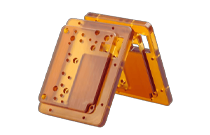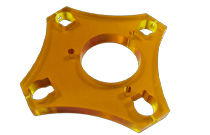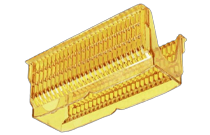
High-Grade Ultem (PEI) for Aerospace Applications

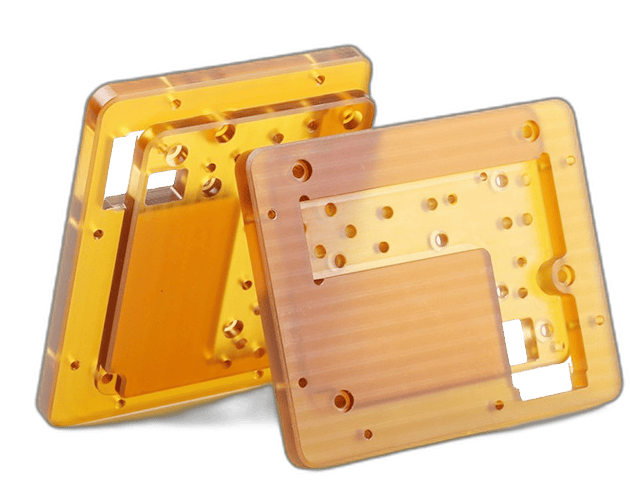
Polyetherimide (PEI) is a high-temperature plastic valued for its strength, rigidity, and thermal reliability. It maintains structural integrity under stress and supports fine machining for both detailed and simple aerospace designs requiring precise dimensional control and finishes.
Request Technical Review
What it is

AeroCNCParts’s Expertise in Ultem Machining

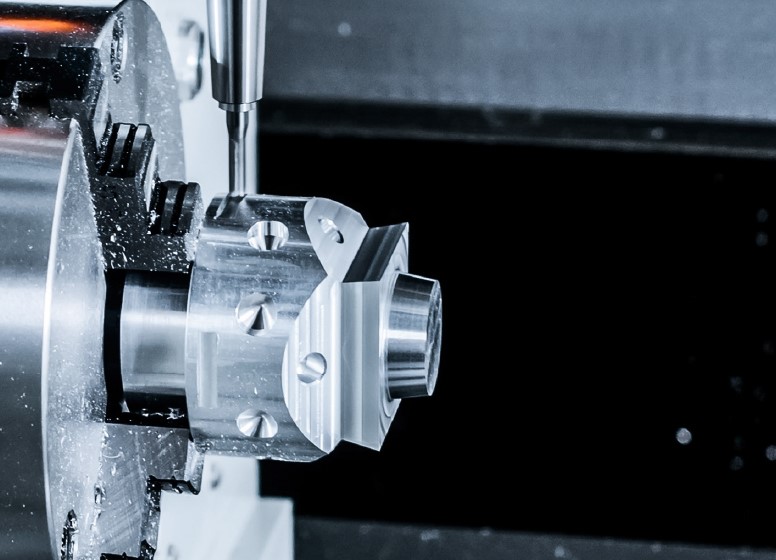
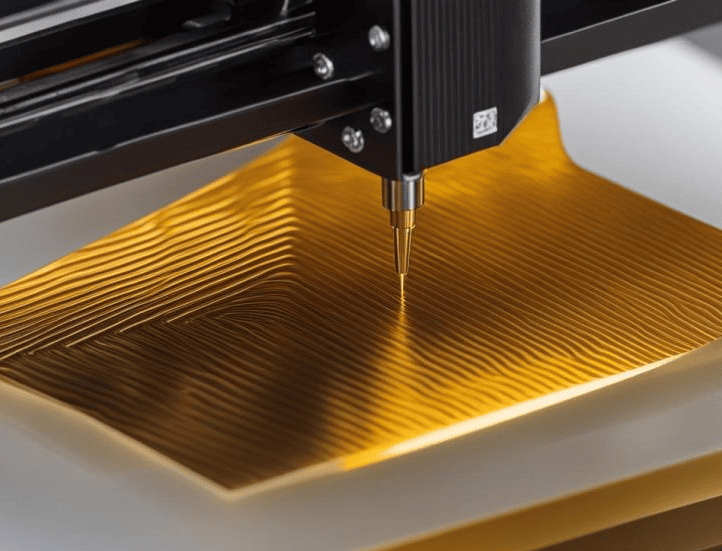
AeroCNCParts produces precision Ultem components for aerospace projects under certified systems. Using advanced multi-axis machining centers, we achieve ±0.005 mm accuracy validated through CMM analysis. Each manufacturing stage is recorded and inspected to guarantee repeatable quality and compliance.

  • AS9100D, ISO 9001, and ITAR certified operations
  • FAI and inspection traceability included
  • Comprehensive CMM and microscopic evaluation
  • Complete documentation for every material batch
At a Glance

Ultem (PEI) Key Properties

Density

1.27 g/cm³

Tensile Strength

105–120 MPa

Yield Strength

100–110 MPa

Hardness

Rockwell M110–M120

Elastic Modulus

3.0–3.3 GPa

Machinability

Excellent

Wear Resistance

High

Flame Rating

UL94 V-0

self-extinguishing

Finishes

Common Surface Treatments for Ultem (PEI)

Vapor Polishing

Creates a clear, glossy finish.

  • Restores clarity and smooth surface texture for transparent or optical-grade components.

Hard Coating

Adds a thick, wear-resistant protective layer.

  • Adds extra wear and solvent resistance to exposed housings or covers.

Passivation

Cleans surface; boosts corrosion resistance.

  • Removes film and residues, improving adhesion and assembly reliability.
Advantages

Advantages of Ultem (PEI)

  • Durable & Strong

    Retains its strength and geometry even after prolonged high-temperature exposure, without exhibiting creep or warping.

  • Dimensional Accuracy

    Offers minimal expansion, ensuring perfect fits in complex aerospace assemblies.

  • Flame and Chemical Safety

    Meets FAR 25.853 fire, smoke, and toxicity requirements used for cabin interiors.

  • Electrical Integrity

    Provides stable dielectric insulation and low conductivity for sensors and avionics.

Comparison

Ultem 1000 VS 2300 & 2200

High-level comparison of common aerospace Ultem (PEI). Always align to your project spec.

Grade Strength Corrosion Resistance Dimensional Stability Machinability Note
Ultem 1000 (Unfilled) High Excellent Excellent Excellent Standard grade suited for transparent panels, housings, and insulation parts
Ultem 2300 (30 % Glass-Filled) Very High Very Good Very High Good Reinforced formulation delivering rigidity for load-bearing aircraft components.
Ultem 2200 (20 % Glass-Filled) High Very Good High Good Balanced variant for clips, brackets, and structural fittings requiring stiffness and machinability.
FAQ

FAQs about Ultem (PEI) Machining

How does Ultem’s heat performance compare with PEEK?
PEEK tolerates higher continuous temperatures, but Ultem provides a more economical and easily machined solution for non-structural aerospace components.
Can Ultem be used for avionics and radar parts?
Yes. Its dielectric stability and ability to block RF interference make it suitable for electrical housings and radar casings.
Is Ultem compatible with welding or bonding methods?
Yes. It bonds effectively with specialized adhesives and can be ultrasonically welded to form lightweight, rigid assemblies.
Which grade is preferred for brackets or mounting fixtures?
Ultem 2300 is typically chosen; the glass reinforcement enhances rigidity and mechanical strength.
What is the normal lead time for Ultem aerospace machining?
Depending on the design complexity and testing scope, production typically takes between four and seven working days.