Magnesium for Aerospace Components

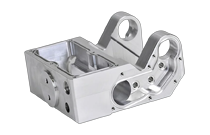
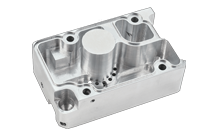
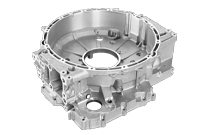
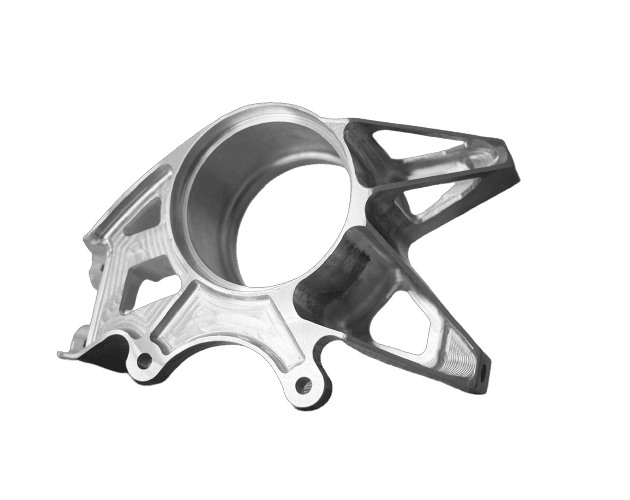
Magnesium is valued in the aerospace industry due to its exceptionally low weight, strong mechanical properties, and high thermal conductivity. It can be easily formed into intricate shapes with fine tolerances, and it works well with various finishing techniques.
Request Technical Review
What it is

AeroCNCParts’s Expertise in Precision Magnesium Machining

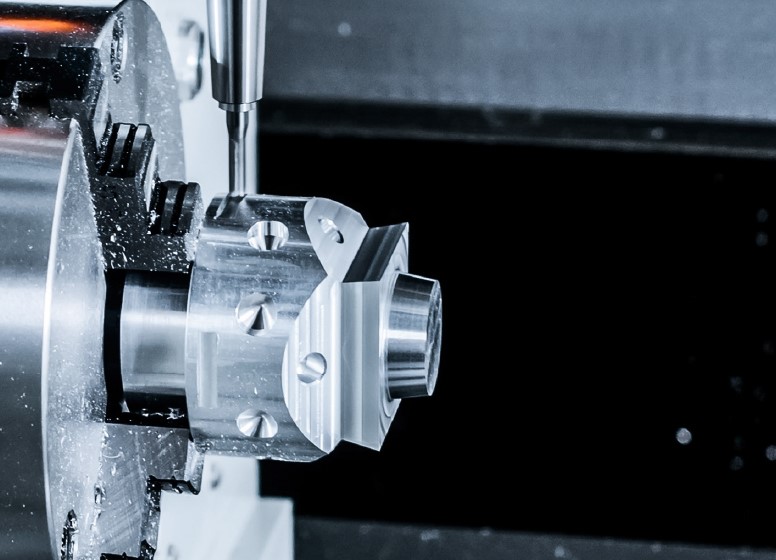
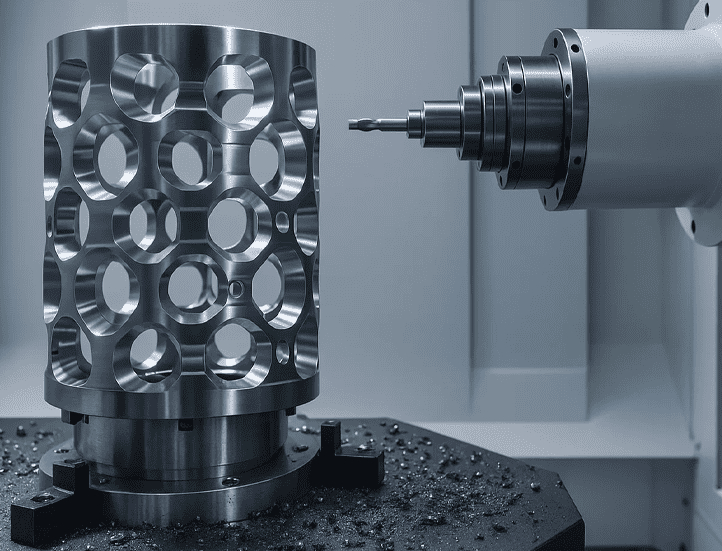
AeroCNCParts produces highly accurate magnesium components with tolerances as tight as ±0.005 mm. Each part is manufactured under ISO 9001 quality systems, ensuring consistent results and reliable performance across every production batch.

  • 5-axis CNC machining for lightweight, complex aerospace parts
  • Fully documented FAI and CMM quality validation
  • Complete batch and lot tracking for total traceability
  • AS9100D and NADCAP-certified quality control processes
At a Glance

Magnesium Key Properties

Density

1.74 – 1.85 g/cm³

Ultimate Tensile Strength

200 – 370 Mpa

Yield Strength

130 – 260 Mpa

Hardness

60 – 90 HB

Elastic Modulus

44 – 46 Gpa

Machinability

Excellent

Weldability

Moderate

Corrosion Resistance

Moderate

improved with coating

Finishes

Common Surface Treatments for Magnesium

Alodine Coating

Adds a thin, corrosion-protective chromate layer.

  • Provides excellent corrosion protection and enhances paint adhesion, delivering a conductive, durable layer for magnesium aerospace housings.

Anodizing

Corrosion & wear resistance; cosmetic options.

  • Forms a robust oxide layer that strengthens surface hardness and wear resistance while improving visual appearance.

Passivation

Removes surface iron to improve corrosion resistance.

  • Cleanses and stabilizes the surface, removing impurities to extend resistance to oxidation under challenging flight environments.
Advantages

Aluminum Material Advantages

  • Lightweight

    Magnesium’s low density significantly decreases aircraft weight, enhancing payload capacity, maneuverability, and fuel efficiency.

  • High Heat Dissipation

    Its excellent thermal conductivity helps manage temperature in high-performance electronics and propulsion systems.

  • Excellent Machinability

    Magnesium cuts smoothly with minimal tool wear, supporting tight-tolerance designs and rapid CNC processing.

  • Natural Vibration Damping

    The alloy’s inherent damping ability minimizes vibration transmission, thereby improving comfort and enhancing the structural longevity of aircraft systems.

Comparison

AZ91D VS WE43 & ZK60A

High-level comparison of common aerospace magnesium alloys. Always align to your program spec.

Alloy Strength Corrosion Resistance Fatigue Resistance Machinability Note
AZ91D Moderate Good Moderate Excellent Used in housings, brackets, and gearbox covers for a strong balance of castability and strength.
WE43 High Excellent High Good Suited for high-temperature aerospace parts requiring superior fatigue resistance and creep stability.
ZK60A High Fair High Excellent Offers high specific strength and toughness for airframe and helicopter structural components.
FAQ

Frequently Asked Questions

Why is magnesium preferred for lightweight aerospace parts?
Its outstanding strength-to-weight ratio reduces aircraft mass while maintaining rigidity, improving flight efficiency and payload capability.
Can magnesium alloys be machined with precise tolerances?
Yes. AeroCNCParts’s 5-axis CNC technology achieves tolerances up to ±0.005 mm while maintaining surface integrity on complex designs.
Are AeroCNCParts’s processes certified for aerospace production?
Yes. AeroCNCParts operates under NADCAP and AS9100D systems covering machining, coating, inspection, and full process validation.
Which magnesium alloys does AeroCNCParts use most often?
Our engineers frequently work with AZ91D, WE43, and ZK60A, each of which is suited for specific aerospace environments, ranging from avionics to airframe structures.
How does AeroCNCParts maintain consistency across production batches?
Each batch is monitored using CMM and microscopic inspection, combined with full traceability and documentation to verify uniform quality and compliance.