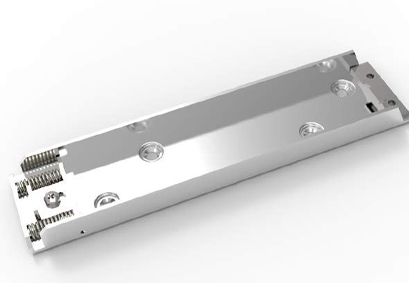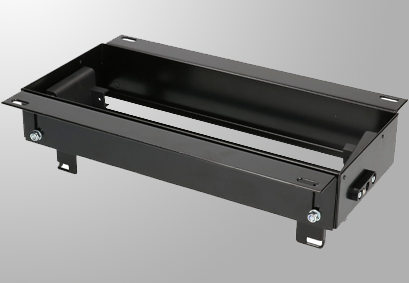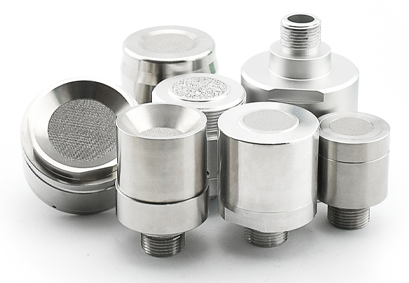
Electronic Housings

Lightweight yet strong housings that protect electronic structures. These enclosures resist vibration, temperature changes, and moisture while ensuring reliable shielding and long-term functionality.
Request Technical Review
Process

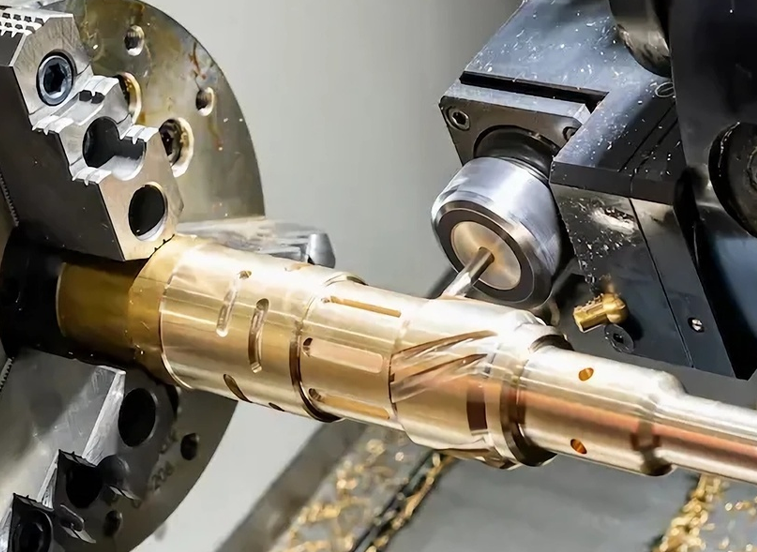
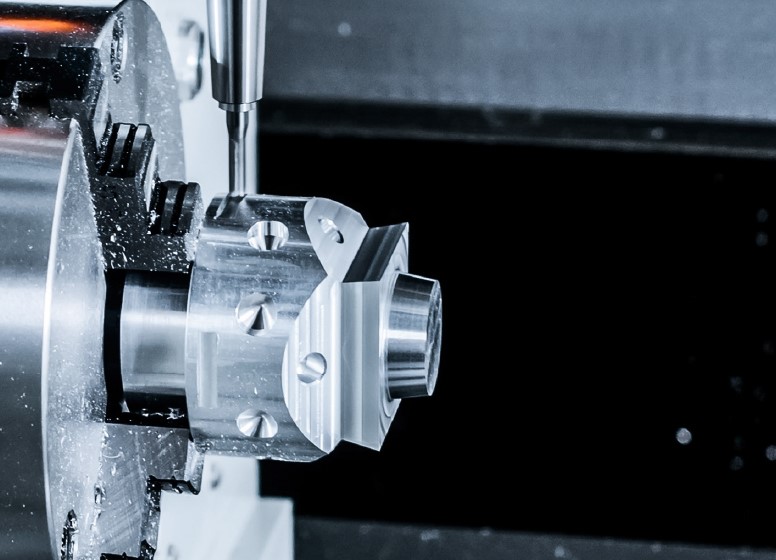
CNC Milling, CNC Turning, 5-Axis Machining, Wire EDM, Laser Cutting

Materials

Aluminum 6061-T6, Stainless Steel 304, Titanium Grade 5, Inconel 718, PEEK

Tolerance

±0.005mm

Finishes

Anodizing, Passivation, Powder Coating, Chromate Conversion
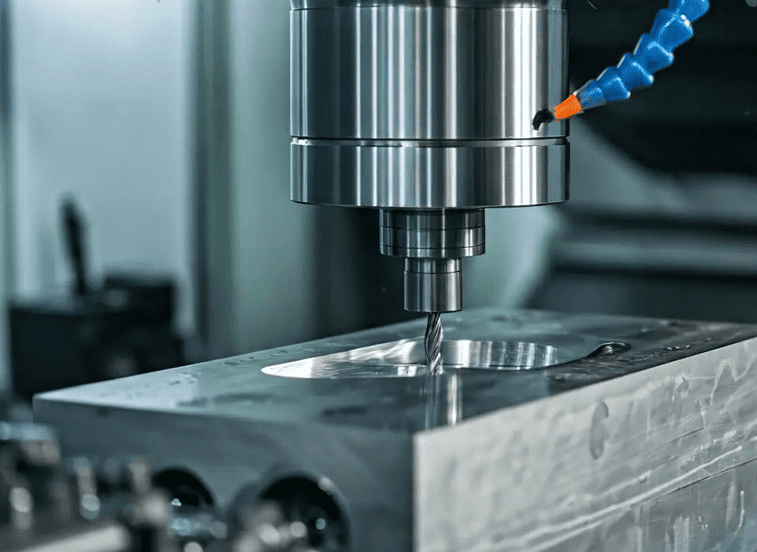
Precision CNC Machining

Reliable Electronic Housing Protection for Critical Aerospace Systems

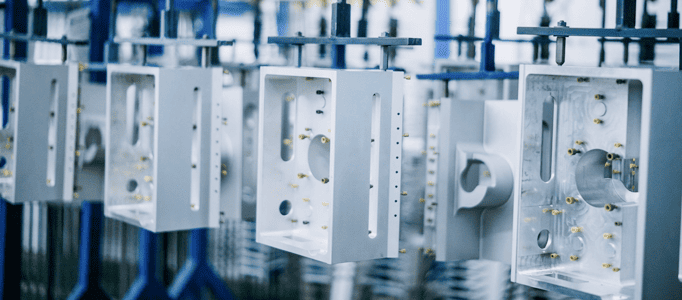
Aerospace electronic housings are produced with exceptional precision to safeguard intricate circuits and connections. Each enclosure is carefully shaped to minimize vibration, heat distortion, and electromagnetic disruption. This ensures durable performance across flight conditions, extending equipment lifespan and maintaining consistent signal reliability.

Get a Quote
Materials for Electronic Housings

Every material provides a balance between strength, insulation, and resistance to environmental factors.

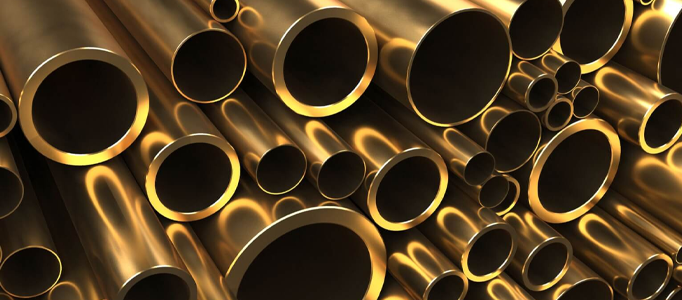
Aluminum 6061-T6 Stainless Steel 304 Titanium Grade 5 Inconel 718 PEEK
Surface Finishes

Finishes strengthen protection, improve conductivity, and enhance appearance.

  • Anodizing: builds a hard oxide layer that resists corrosion and wear.
  • Passivation: enhances the natural resistance of stainless steel to oxidation.
  • Powder Coating: adds a durable, smooth, and attractive protective surface.
  • Chromate Conversion: offers corrosion protection without affecting conductivity.
Applications

Aerospace Electronic Housings

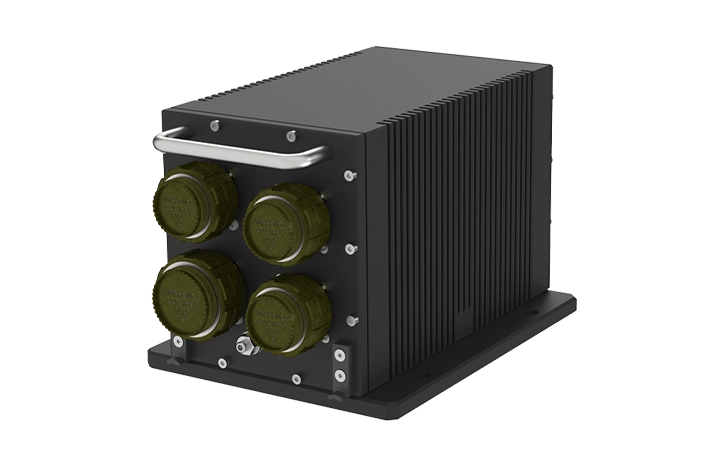
Manufacturing robust EMI-shielded enclosures protecting sensitive flight avionics from extreme environmental conditions and electromagnetic interference.

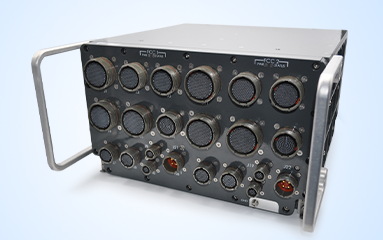
  • Flight Control Computer Chassis

    High thermal conductivity ensuring optimal heat dissipation.

  • Radar System Enclosures

    Superior EMI shielding preventing signal interference effectively.

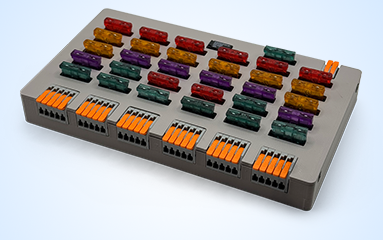
  • Power Distribution Boxes

    Ruggedized construction meeting IP-rated sealing standards.

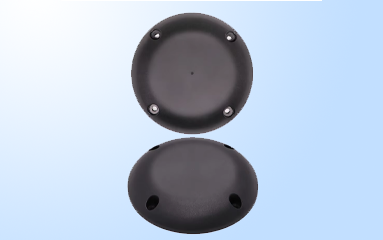
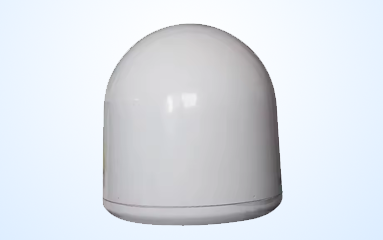
  • PEEK Antenna Covers

    RF transparent properties with high impact resistance.

Capabilities

Capabilities of Our Electronic Housing CNC Machining

Precision machining centers achieve ±0.005mm accuracy for intricate aerospace housings. Components are inspected through vibration, thermal, and dimensional testing to verify stability and reliability.

Each process is fully documented and traceable, adhering to AS9100D, NADCAP, and ISO 9001 standards, ensuring that every housing meets the strictest aerospace performance expectations.

Get a Quote

Technical Parameters

Values

Dimensional Tolerance

±0.005mm

Flatness/Parallelism

≤0.01mm per 100mm

Max Part Envelope

600 x 600 x 300mm

Min Wall Thickness

0.6mm (material dependent)

Surface Roughness

Ra 0.8um typical (machined), Ra 0.2um (polished)

Finish Thickness

5-25um (anodize), per spec on others

Docs & Certs

FAI, PPAP, ISO 9001, and AS9100D certified, material certs, full lot traceability

process

Process & Quality

DFM Review – We analyze critical datums, load paths, and propose weight-saving ops.
CAM & Fixturing – 5-axis strategies minimize re-clamps and preserve datum integrity.
In-Process Checks – SPC sampling and probing keep parts on target.
FAI & CMM – Full ballooned reports with 3D model-to-part correlation.
Traceability – Heat numbers and finishing lots linked to each serial.
recommend

Other Related Aerospace Components

  • Avionics Support Brackets

    Hold onboard electronic units securely.

  • Power Frame Assemblies

    Organize and protect wiring systems.

  • Sensor Protection Shells

    Shield sensing elements from thermal and vibration impact.

FAQ

Frequently Asked Questions

These are our common FAQs. If you need specifics: such as machines, quoting, lead time, shipping, quality process, packaging, or payment, please email info@aerocncparts.com.

Our engineers will reply with clear, detailed information.

Can electronic enclosures be adapted for different systems?
Yes. Sizes, cutouts, and connector placements are fully adaptable to suit unique aerospace assemblies or communication modules.
How is heat resistance verified?
Thermal simulation and heat chamber tests are used to confirm the stability of each housing under sustained high temperatures.
Are there options for EMI shielding?
Yes. Specialized coatings and conductive materials help prevent electromagnetic and radio frequency interference.
Which coatings provide the best defense against corrosion?
Anodized and chromate-treated surfaces deliver long-term protection from oxidation and environmental damage.
Can prototypes be tested before full-scale production?
Yes. Single or small-batch prototypes can be created for performance assessment before mass production begins.