Instrument Panels

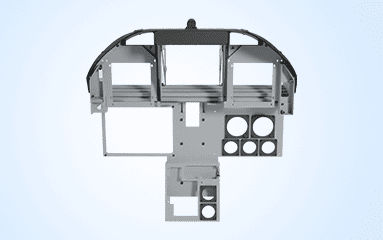
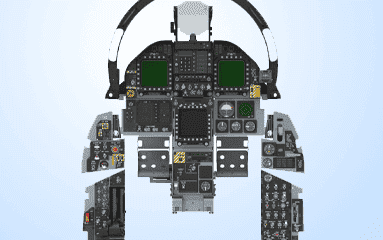
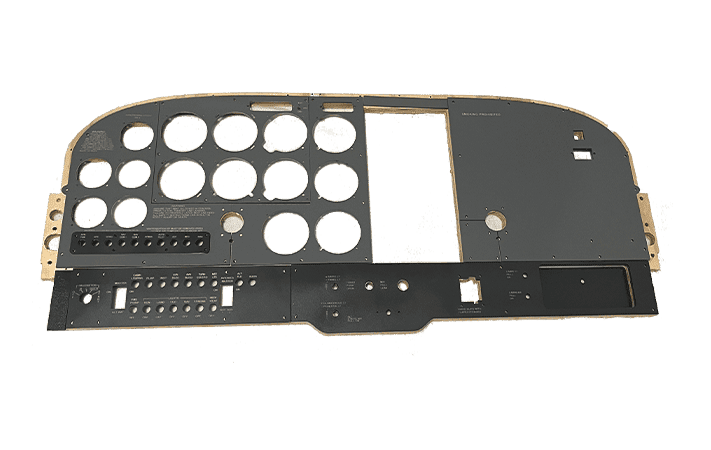
Lightweight and high-strength component that ensures reliable mounting of cockpit instruments. They maintain balance under stress, resist vibration, and preserve structural precision in high-demand aerospace environments.
Request Technical Review
Process

CNC Milling, 5-Axis CNC Machining, Laser Cutting, EDM

Materials

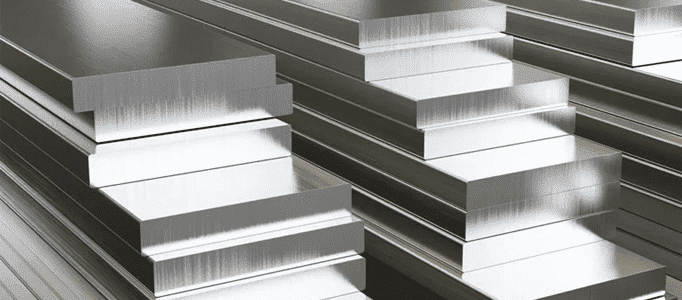
Aluminum 6061, 7075, Stainless Steel 304, Titanium Grade 2, PEEK

Tolerance

±0.005 mm

Finishes

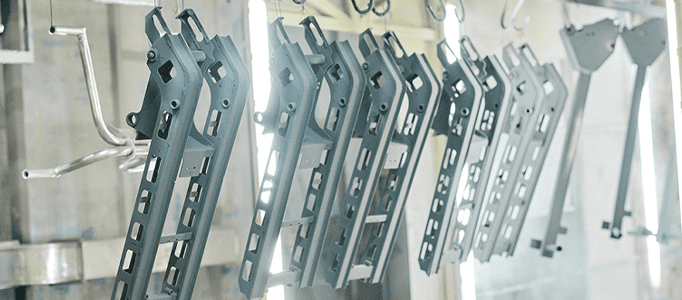
Anodizing, Alodine, Powder Coating, Bead Blasting
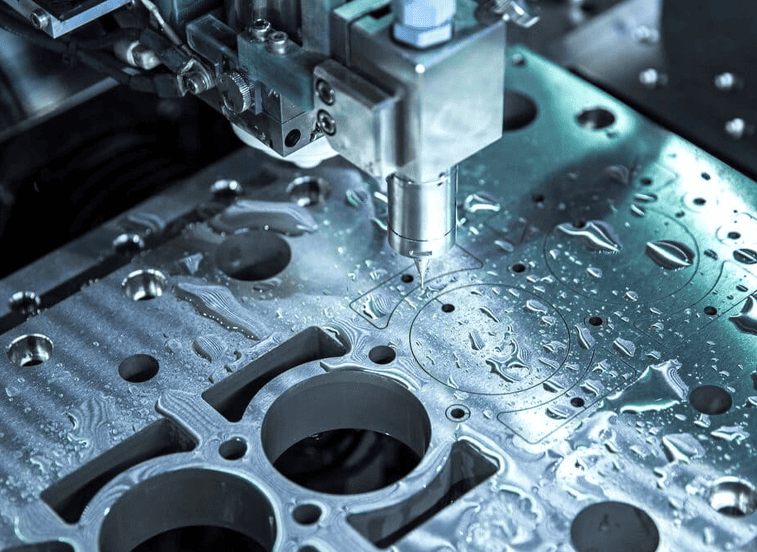
Precision CNC Machining

Exceptional Accuracy and Dimensional Control for Flight Instrument Panels

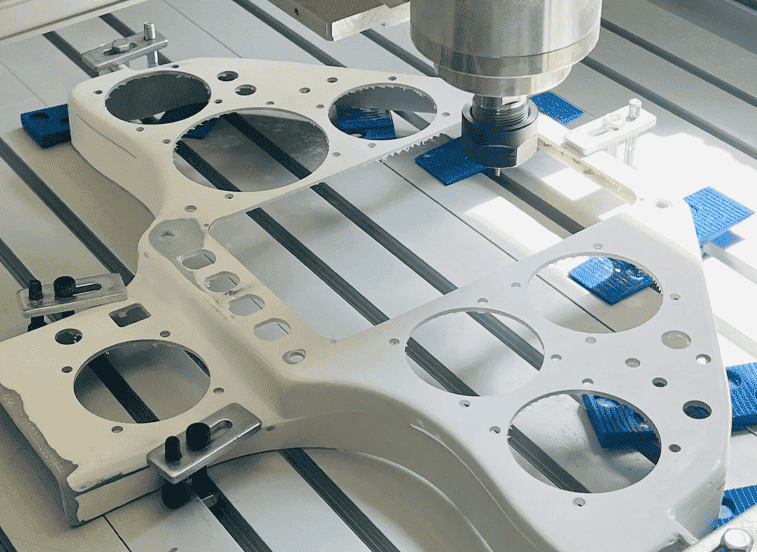
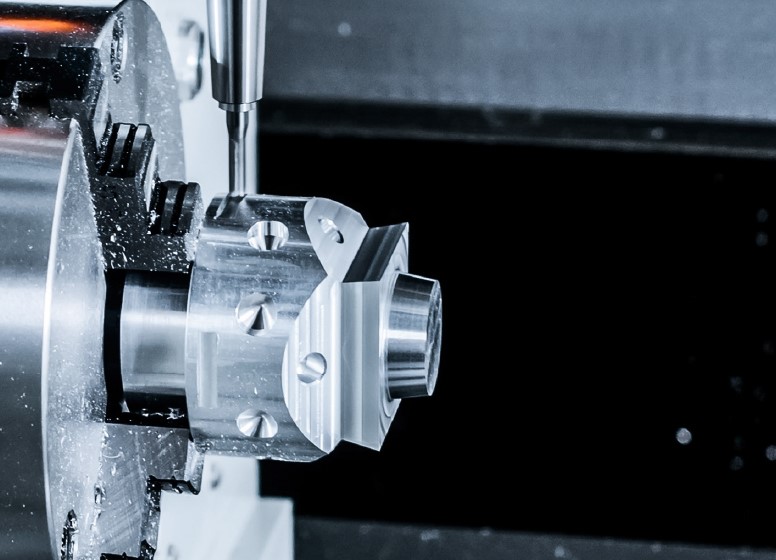
Machining aircraft instrument panels requires achieving precise accuracy in every aperture and contour. Each panel requires perfect symmetry for electronic components, ensuring stable installation and accurate performance. Precision-driven fabrication methods ensure consistent dimensions, minimal vibration interference, and exceptional durability, providing extended service life in aircraft cockpit environments.

Get a Quote
Materials for Instrument Panels

High-grade materials are utilized to achieve the optimal balance of weight reduction, electrical insulation, and long-term corrosion protection.

Aluminum 6061-T6 Aluminum 7075-T651 Stainless Steel 304 Titanium Grade 2 PEEK
Surface Finishes

Each finish enhances the panel’s strength, visual appeal, and resistance to harsh flight conditions.

  • Anodizing: forms a durable oxide layer for corrosion and wear protection.
  • Alodine: improves conductivity and shields surfaces from oxidation.
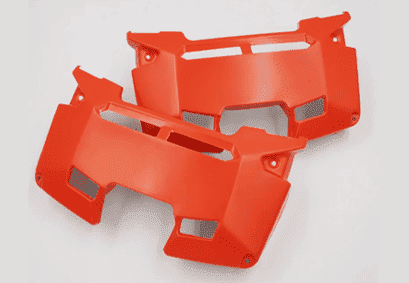
  • Powder Coating: adds a tough, colorful finish that resists chipping.
  • Bead Blasting: creates a glare-free, uniform matte surface.
Applications

Aerospace Instrument Panels

Manufacturing precision-machined cockpit interfaces delivering ergonomic layout, structural rigidity, and seamless integration for critical flight avionics.

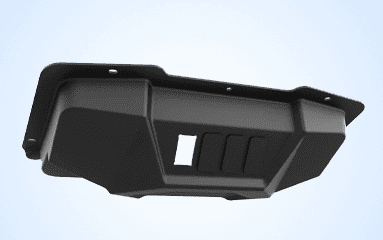
  • Main Instrument Panel Frames

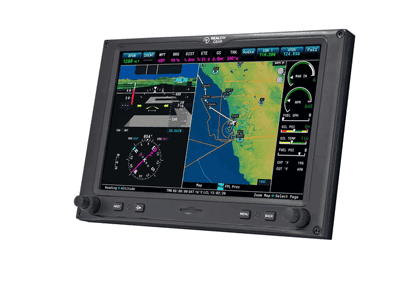
    Rigid aluminum structure supporting heavy multifunction displays.

  • Center Pedestal Consoles

    Ergonomic layout housing critical throttle and radio controls.

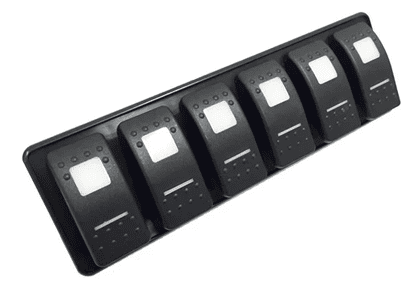
  • Overhead Switch Panels

    Precision cutouts ensuring accurate toggle and breaker alignment.

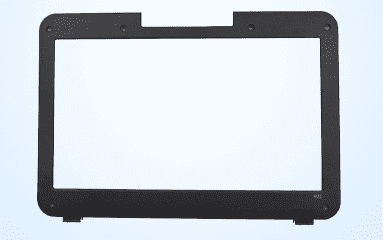
  • PEEK Display Bezels

    Non-conductive frames with high thermal resistance properties.

Capabilities

Advanced Capabilities in Instrument Panel CNC Machining

Aerospace instrument panels are produced using modern 5-axis machining systems with CAD/CAM programming, high-resolution inspection tools, and AS9100D and NADCAP-approved processes.

Each component is validated through CMM analysis, FAI documentation, and complete lot traceability, ensuring structural accuracy, lightweight strength, and compliance with rigorous aerospace performance standards.

Get a Quote

Technical Parameters

Values

Dimensional Tolerance

±0.005mm

Flatness/Parallelism

≤0.01mm per 100mm

Max Part Envelope

600 x 600 x 300mm

Min Wall Thickness

0.6mm (material dependent)

Surface Roughness

Ra 0.8um typical (machined), Ra 0.2um (polished)

Finish Thickness

5-25um (anodize), per spec on others

Docs & Certs

AS9100, ISO 9001 certified, PPAP, FAI, material certs, full lot traceability

process

Process & Quality

DFM Review – We analyze critical datums, load paths, and propose weight-saving ops.
CAM & Fixturing – 5-axis strategies minimize re-clamps and preserve datum integrity.
In-Process Checks – SPC sampling and probing keep parts on target.
FAI & CMM – Full ballooned reports with 3D model-to-part correlation.
Traceability – Heat numbers and finishing lots linked to each serial.
recommend

Related Aerospace Components

  • Avionics Covers

    Provide protection for sensitive navigation systems.

  • Switch Mount Plates

    Support control interfaces and wiring.

  • Display Frames

    Hold and secure electronic flight displays.

FAQ

Frequently Asked Questions

These are our common FAQs. If you need specifics: such as machines, quoting, lead time, shipping, quality process, packaging, or payment, please email info@aerocncparts.com.

Our engineers will reply with clear, detailed information.

Can instrument panels be adjusted to match unique control layouts?
Yes, every panel can be produced according to your CAD files, cutout design, and fastening requirements for perfect cockpit integration.
Are the panels designed for vibration-heavy flight environments?
Yes, materials and tolerances are selected to maintain stability and reduce vibration, ensuring secure positioning of mounted instruments.
What testing ensures the accuracy of these panels?
All panels undergo CMM dimensional verification, surface flatness inspection, and alignment testing to confirm conformity before delivery.
Is custom surface finishing available for specific aircraft interiors?
Yes, finishes such as powder coating or anodizing can be tailored to meet texture, color, and performance requirements.
What’s the usual lead time for production?
Lead times depend on complexity, but precision instrument panels are typically completed within 4–7 working days, with expedited service available when required.